

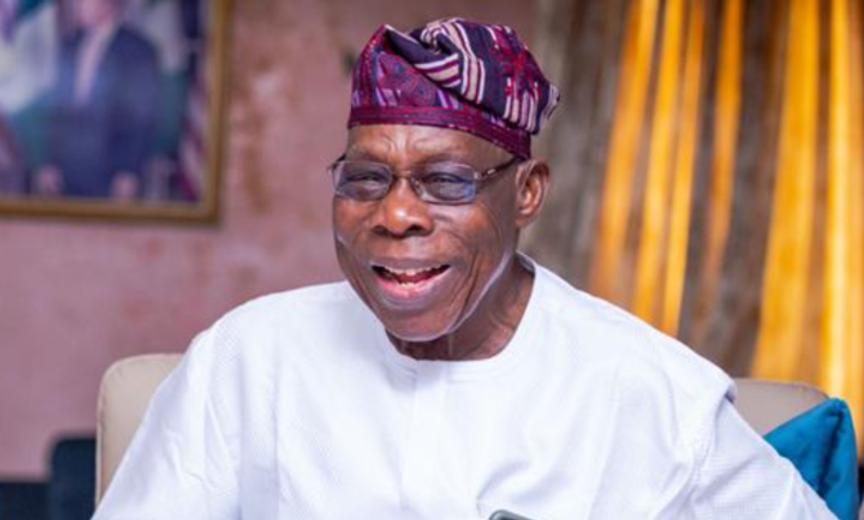
Olusegun Obasanjo’s 40-Year Diabetes Journey: How He Manages the Disease and Why Diabetes Is Not a Death Sentence.
Former Nigerian President Chief Olusegun Obasanjo has publicly spoken about something many people may not immediately associate with his energetic public life: he has been living with diabetes for more than four decades.
Despite the diagnosis, the former president has remained remarkably active well into old age, regularly attending public events, travelling, farming, playing sports and participating in national and international engagements.
His message is simple but powerful: diabetes is a serious chronic disease, but a diagnosis does not automatically mean the end of an active and productive life.
Speaking publicly in May 2026, Obasanjo said he had been diagnosed with diabetes more than 40 years earlier and was still managing the condition. He acknowledged that diabetes currently has no general cure but explained that disciplined lifestyle choices and proper medical care have helped him live with it for decades.
“I Still Manage It”
Obasanjo's experience with diabetes is not something he began discussing recently.
As far back as 2021, he publicly stated that he had already been living with diabetes for about 35 years. At the time, he told young people attending a diabetes programme in Ogun State that several friends who had diabetes had died, while he believed careful management had helped him remain physically active.
By 2026, he was describing the journey as exceeding 40 years.
His story is important because diabetes is a chronic disease. It develops when the body either does not produce enough insulin or cannot effectively use the insulin it produces. When blood glucose remains poorly controlled for prolonged periods, diabetes can damage blood vessels, nerves, the kidneys, eyes and cardiovascular system.
Yet complications are not inevitable for every person.
Good diabetes management can significantly reduce risks and help many people continue living active lives.
How Has Obasanjo Managed Diabetes for More Than 40 Years?
Obasanjo has repeatedly attributed his longevity and continued physical activity to several basic habits.
One of the clearest explanations came when he described his health philosophy using the acronym DREMS, later expanded in another public appearance to DREMS + C.
1. D — Diet
Obasanjo says he pays close attention to what he eats.
In his earlier comments about diabetes, he specifically stressed controlling sugar consumption and watching carbohydrate intake.
In 2026, he again emphasized that food choices have consequences and that healthy eating does not have to mean eating unpleasant food.
This is an important lesson.
Living with diabetes does not necessarily mean eliminating every carbohydrate-containing food. Rather, a person's meal plan should take account of carbohydrate quantity and quality, overall nutrition, blood glucose response and any medications being used.
People with diabetes should ideally develop their eating plan with a doctor, registered dietitian or diabetes educator rather than copying another person's diet.
Obasanjo's broader point remains valuable: what we eat matters.
2. R — Rest
Rest forms another part of Obasanjo's approach.
Modern society often celebrates constant activity, but adequate rest and sleep are important components of overall health.
Obasanjo has repeatedly included rest in his DREMS philosophy and urged people, especially older adults, to make time for it.
Managing a chronic disease is not simply about taking tablets.
The body needs time to recover.
Adequate sleep and proper rest also support healthier lifestyle routines, emotional wellbeing and the ability to remain physically active.
3. E — Exercise
Perhaps the most visible element of Obasanjo's lifestyle is exercise.
He has long remained physically active and revealed in 2026 that when circumstances permit, he plays squash three times a week—Monday, Wednesday and Friday.
At the 2026 FirstBank/OBJ Golf Tournament in Abeokuta, he again stressed the importance of regular exercise, saying physical activity becomes particularly important as people grow older.
Exercise can play an important role in diabetes management because physical activity can help the body use glucose more effectively and improve cardiovascular fitness, strength, mobility and weight management.
However, people with diabetes—particularly those with heart disease, neuropathy, foot problems, eye disease or other complications—should discuss appropriate exercise with their healthcare professionals.
The lesson from Obasanjo is not that everyone must play squash.
The lesson is: keep moving in a way that is safe for you.
Walking, swimming, cycling, dancing, resistance exercises and other forms of regular movement can all be valuable.
4. M — Medical Care
This may be the most important part of Obasanjo's message.
He has repeatedly stressed medical check-ups and adherence to necessary medications as part of his health routine.
Diabetes cannot be managed safely by lifestyle alone in every patient.
Some people require oral medications. Others require injectable medicines or insulin. Treatment can also change as people age or as the condition progresses.
Regular medical follow-up can help monitor:
- blood glucose and HbA1c;
- blood pressure;
- cholesterol;
- kidney function;
- eye health;
- foot health;
- cardiovascular risk;
- and possible medication side effects.
This is where Obasanjo's example sends an especially important message to Africans.
Do not wait until diabetes causes complications before seeing a healthcare professional.
5. S — Social Connection
At another public appearance, Obasanjo expanded his philosophy to DREMS + C, with S representing social interaction.
He encouraged older adults to remain socially engaged and pointed to the Senior Citizens Club at the Olusegun Obasanjo Presidential Library as an example of the importance he places on interaction in later life.
Chronic illness can sometimes cause people to withdraw from others.
But staying connected to family, friends and community can provide motivation, emotional support and accountability.
Managing diabetes is easier when people do not feel they are fighting the disease alone.
6. C — Contentment
Obasanjo's final principle is less clinical but equally interesting.
The C stands for contentment.
He has argued that people should have ambition but avoid excessive ambition and learn to be content with their circumstances.
Contentment does not directly lower blood sugar like medication can, but emotional wellbeing and stress management form part of healthy living.
Constant stress can make maintaining healthy routines more difficult.
His broader message is that good health involves more than the absence of disease. It also involves balance.
Diabetes Is Serious—but It Is Not Automatically a Death Sentence
One of the strongest lessons from Obasanjo's story is that a diagnosis of diabetes should be treated seriously without being treated as a declaration that life is over.
In 2021, he spoke of continuing to travel and remain active decades after diagnosis, contrasting his experience with people he knew who had not managed the condition adequately.
That distinction matters.
Diabetes can lead to serious complications, including cardiovascular disease, kidney problems, nerve damage and vision loss when poorly controlled.
But millions of people around the world also live productive lives with diabetes.
Early diagnosis, appropriate medication, blood-glucose management, healthy eating, physical activity and routine medical follow-up can make an enormous difference.
The goal should therefore not be fear.
The goal should be management.
The Greatest Lesson: Discipline
When all the individual parts of Obasanjo's approach are examined, one word connects them:
discipline.
Watching your diet for a few days is easy.
Exercising for one month is possible.
Taking medication faithfully for several weeks may not be difficult.
The challenge is doing these things year after year.
Managing diabetes for more than four decades demonstrates the importance of consistency.
Chronic diseases require chronic care.
One cannot manage diabetes only when symptoms appear, because high blood glucose may be damaging the body even when a person feels relatively well.
Do Not Stop Your Medication Because You Feel Well
There is another important lesson worth emphasizing.
People living with diabetes should never interpret stories such as Obasanjo's as evidence that lifestyle can automatically replace prescribed medication.
Obasanjo himself specifically includes medical care and necessary medications in his DREMS approach.
A person who feels healthy may still have elevated blood glucose.
Medication should therefore not be stopped or changed without discussing it with a qualified healthcare professional.
Know Your Numbers
Another lesson is the importance of knowing your health status.
Many people can live with type 2 diabetes for years before diagnosis because symptoms may initially be mild.
Regular screening becomes especially important for people with risk factors such as excess body weight, physical inactivity, increasing age or a family history of diabetes.
Knowing your blood glucose level gives you the opportunity to take action earlier.
Ignoring diabetes does not make it disappear.
Do Not Compare Your Diabetes With Someone Else's
Obasanjo's experience is inspiring, but it must also be understood correctly.
Every patient is different.
One person's blood-glucose targets, medications, diet and exercise programme may not be appropriate for another person.
Some individuals have type 1 diabetes and require insulin. Others have type 2 diabetes and may manage it with combinations of lifestyle changes, tablets, injections or insulin.
Therefore, the lesson should not be:
“Do exactly what Obasanjo does.”
The lesson should be:
“Take your condition seriously, work with your healthcare team and remain disciplined about your health.”
Aging With Diabetes Is Possible
Perhaps the most encouraging aspect of Chief Olusegun Obasanjo's story is what it represents.
By his own account, he was diagnosed more than four decades ago and remains physically and publicly active many years later.
His journey challenges the belief that receiving a diabetes diagnosis automatically means a rapid decline in health.
Instead, it demonstrates something important about healthy aging:
A chronic condition may become part of your life without necessarily becoming the definition of your life.
You can have diabetes and still exercise.
You can have diabetes and still work.
You can have diabetes and still travel.
You can have diabetes and still contribute to society.
You can have diabetes and still grow older with purpose.
But doing so requires attention to your health.
Lessons We Can Learn From Obasanjo
Chief Olusegun Obasanjo's decades-long experience offers several practical lessons:
Accept the diagnosis. Denial delays treatment.
Watch what you eat. Nutrition plays an important role in controlling blood glucose.
Remain physically active. Movement is medicine when performed safely.
Rest adequately. Your body needs recovery.
Take prescribed medication. Feeling well does not necessarily mean diabetes has disappeared.
Attend regular medical appointments. Prevention and early detection of complications matter.
Stay socially connected. Healthy aging involves relationships as well as physical health.
Manage stress and pursue contentment.
And perhaps most importantly:
Be consistent.
Final Thought
Diabetes is a serious disease.
It deserves respect.
But fear should not be allowed to become hopelessness.
Chief Olusegun Obasanjo's experience of living with diabetes for more than 40 years provides a powerful reminder that chronic disease and meaningful longevity can coexist.
His own health formula—Diet, Rest, Exercise, Medical care, Social connection and Contentment—DREMS + C—is strikingly simple.
The principles may sound ordinary.
Their power lies in practising them consistently.
A diabetes diagnosis may change how you live.
It does not have to stop you from living.
Sources
PUNCH Newspapers (May 16, 2026): Obasanjo urges healthy living, says he’s managed diabetes for 40 years. Reports his DREMS + C approach, regular exercise, diet, medical care and medications.
International Centre for Investigative Reporting (ICIR), August 19, 2021: How I cheat death, living with diabetes for 35 years – Obasanjo. Documents his earlier public discussion of living with diabetes and his advice concerning diet and carbohydrate intake.
Legit.ng (May 31/June 1, 2026): Obasanjo Mentions Sickness He Has Been Managing for Over 40 Years: “Disease Not Curable Yet.” Reports his recent comments about squash, diet, rest, regular medical care and DREMS.
Medical note: This article is for health education and does not replace individual medical advice. Anyone diagnosed with diabetes should follow treatment recommendations from their qualified healthcare professional.









Comments