

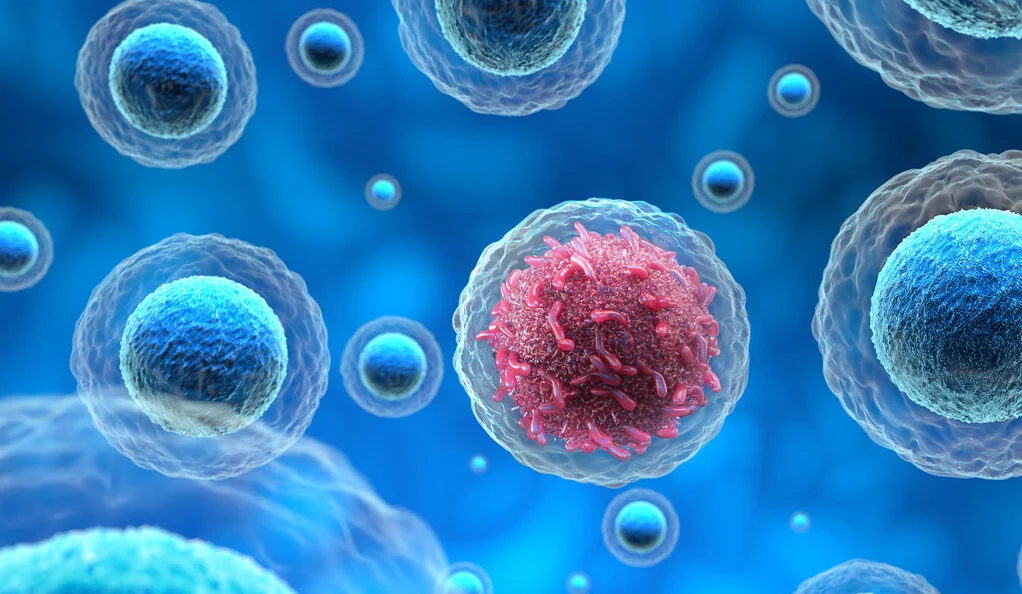
Breast cancer remains one of the most common cancers affecting women worldwide, but research shows that there are several proactive steps you can take to reduce your risk. By adopting healthier lifestyle habits, you not only lower your chances of developing breast cancer but also promote overall wellness. In this article, we explore the top 10 proven ways to prevent breast cancer and support long-term health.
1. Maintain a Healthy Weight
One of the key factors associated with breast cancer risk is obesity. Studies show that women who are overweight or obese, especially after menopause, have a higher risk of developing breast cancer. Fat cells produce estrogen, and higher estrogen levels can fuel the growth of certain breast cancers. Maintaining a healthy weight through balanced eating and regular exercise can significantly reduce your risk.
2. Stay Physically Active
Regular physical activity is a powerful weapon against breast cancer. Engaging in at least 150 minutes of moderate exercise or 75 minutes of vigorous activity each week can lower your breast cancer risk. Physical activity helps regulate hormone levels, including estrogen and insulin, which play a role in cancer development. Walking, swimming, cycling, and yoga are great options to keep your body moving.
3. Limit Alcohol Intake
Alcohol consumption is directly linked to an increased risk of breast cancer. Even small amounts of alcohol can elevate your risk, as it raises estrogen levels in the blood and can damage DNA in cells. Experts recommend limiting alcohol intake to no more than one drink per day or avoiding it altogether if you are at a higher risk.
4. Adopt a Healthy Diet
A nutrient-rich diet filled with fruits, vegetables, whole grains, and lean proteins can help reduce your cancer risk. Antioxidant-rich foods, such as berries, leafy greens, and nuts, can protect cells from damage. Consider including foods rich in omega-3 fatty acids (like salmon and flaxseeds) and reducing processed foods, red meats, and sugar intake to promote overall health and lower your cancer risk.
5. Avoid Smoking
Smoking is a known risk factor for many types of cancer, including breast cancer. The chemicals in cigarettes can damage DNA and create an environment conducive to cancer growth. If you smoke, quitting is one of the best decisions you can make for your overall health and breast cancer prevention.
6. Breastfeed, If Possible
Breastfeeding has been shown to lower breast cancer risk, especially if continued for a year or more. Breastfeeding reduces the number of menstrual cycles a woman experiences, thus lowering estrogen exposure. It also helps your body shed breast tissue, which may remove cells with potential DNA damage.
7. Limit Exposure to Radiation and Environmental Pollutants
Excessive exposure to radiation, especially during childhood, can increase the risk of breast cancer later in life. Medical imaging that uses high doses of radiation, such as CT scans, should be done only when necessary. Reducing exposure to environmental pollutants, such as chemicals found in plastics (BPA) and certain cosmetics, can also lower your cancer risk.
8. Consider Hormone Therapy Options Carefully
Hormone replacement therapy (HRT), used to manage menopause symptoms, can increase the risk of breast cancer if taken for long periods. If you're considering HRT, discuss the risks and benefits with your healthcare provider. You may want to explore non-hormonal options or limit the duration of hormone therapy.
9. Regular Screening and Self-Exams
Early detection is critical for successful breast cancer treatment. Women should discuss their individual screening needs with their healthcare provider, including when to begin mammograms. In addition to professional screening, monthly breast self-exams can help you detect any changes or abnormalities in your breasts. Report any unusual lumps, changes in texture, or discharge to your doctor immediately.
10. Know Your Family History and Genetic Risk
A family history of breast cancer, especially in close relatives like your mother or sister, can significantly raise your risk. Talk to your doctor about your family’s medical history, and consider genetic testing if there are multiple cases of breast or ovarian cancer in your family. Women who test positive for mutations in the BRCA1 or BRCA2 genes, for example, may want to take additional preventive measures, such as enhanced screening or even preventive surgery.
Conclusion
Preventing breast cancer involves a combination of lifestyle changes, regular screenings, and awareness of personal risk factors. By maintaining a healthy weight, staying active, eating a balanced diet, limiting alcohol, and avoiding smoking, you can significantly reduce your risk of breast cancer. Additionally, staying vigilant with self-exams, knowing your family history, and discussing screening options with your healthcare provider are crucial steps toward early detection and prevention. Taking these proactive measures helps support not only breast health but also your overall well-being for years to come.
Here are some reputable sources that provide valuable information for the prevention of breast cancer and can be referenced for the article:
- American Cancer Society (ACS) – Provides comprehensive guidelines on lifestyle choices that help reduce breast cancer risk, including diet, physical activity, and alcohol consumption.
-
- American Cancer Society. "Breast Cancer Prevention and Early Detection." https://www.cancer.org/cancer/breast-cancer.html
- Mayo Clinic – Offers expert advice on factors that influence breast cancer risk, including hormone therapy, weight management, and breastfeeding.
-
- Mayo Clinic. "Breast cancer prevention: How to reduce your risk." https://www.mayoclinic.org/diseases-conditions/breast-cancer/in-depth/breast-cancer-prevention/art-20044676
- Centers for Disease Control and Prevention (CDC) – Highlights breast cancer risk factors and the importance of screening.
-
- Centers for Disease Control and Prevention. "What Can I Do to Reduce My Risk of Breast Cancer?" https://www.cdc.gov/cancer/breast/basic_info/prevention.htm
- National Cancer Institute (NCI) – Explains the role of genetics, diet, and environmental factors in breast cancer risk reduction.
-
- National Cancer Institute. "Breast Cancer Prevention (PDQ®)–Patient Version." https://www.cancer.gov/types/breast/patient/breast-prevention-pdq
- World Health Organization (WHO) – Provides global insights on breast cancer prevention, risk factors, and early detection.
-
- World Health Organization. "Breast Cancer: Prevention and Control." https://www.who.int/cancer/detection/breastcancer/en/
- Breast Cancer Research Foundation (BCRF) – Offers the latest research findings on breast cancer prevention and lifestyle modifications.
-
- Breast Cancer Research Foundation. "Lifestyle Choices That Reduce Your Risk of Breast Cancer." https://www.bcrf.org/lifestyle-choices.
https://www.babacares.com.131-153-147-50.cpanel.site/blog-details?details=96&title=Top+10+Best+Ways+to+Prevent+Breast+Cancer%3A+Proven+Tips+for+a+Healthier+Life








Comments