

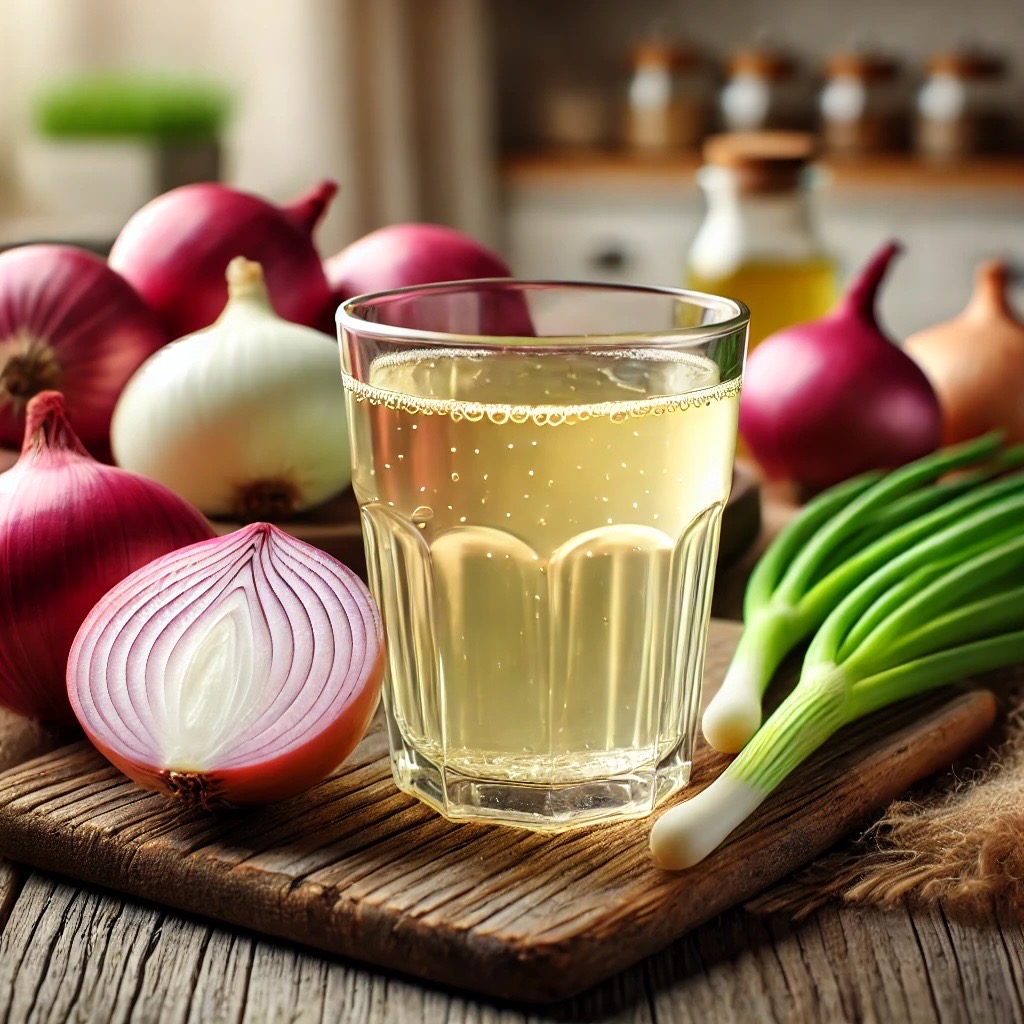
Prostate cancer is one of the most common cancers affecting men, especially as they age. While various treatments like surgery, radiation, and chemotherapy are available for prostate cancer, prevention remains a crucial focus. Diet plays a significant role in reducing cancer risk, and one surprising natural remedy gaining attention is onion juice. Rich in antioxidants and anti-cancer compounds, onion juice may offer protective benefits for prostate health. This article explores how drinking onion juice could help prevent prostate cancer, backed by scientific evidence.
Nutritional Powerhouse: Onion Juice Composition
Onions are a nutrient-dense vegetable packed with beneficial compounds, many of which are concentrated in onion juice. Some of the key nutrients found in onion juice include:
- Quercetin: A powerful flavonoid with antioxidant and anti-cancer properties.
- Sulfur compounds: Such as allyl sulfides, which help in reducing inflammation and have been linked to cancer prevention.
- Antioxidants: Onion juice is rich in vitamin C and other antioxidants that neutralize harmful free radicals in the body.
- Selenium: An important trace mineral known to boost immunity and provide cancer-fighting benefits.
- Folic acid: Supports overall cell function and health, potentially reducing cancer risks.
How Onion Juice Can Help Prevent Prostate Cancer
- Anti-Cancer Properties of Quercetin
Quercetin, a flavonoid abundantly present in onions, has been extensively studied for its anti-cancer effects. Research shows that quercetin can inhibit the growth of prostate cancer cells and induce apoptosis (cell death) in these cancer cells. A study published in the Carcinogenesis journal found that quercetin blocks the heat shock proteins (Hsp90), which prostate cancer cells rely on for growth and survivalking onion juice, men can regularly introduce quercetin into their diet, which may help reduce the risk of prostate cancer. - Sulfur Compounds and Cancer Prevention
Onion juice contains sulfur-containing compounds, such as allyl sulfides, which are known for their cancer-preventing abilities. These compounds are believed to interfere with the formation of cancer cells and promote detoxification, particularly in the liver. Detoxification helps remove carcinogens from the body, reducing the chances of cell mutations that can lead to prostate cancer. A study in The Journal of Nutrition found that sulfur compounds in onions may inhibit the growth of various cancer cells, including those found in the prostate . - ts Fight Oxidative Stress
Oxidative stress is a key contributor to the development of cancers, including prostate cancer. The antioxidants found in onion juice, particularly vitamin C and quercetin, neutralize free radicals, protecting cells from DNA damage that can lead to cancer. Regular consumption of onion juice provides a steady supply of these antioxidants, reducing the oxidative damage that increases cancer risk. - Immune System Support
A strong immune system is essential in defending the body against cancerous cell growth. Onion juice contains selenium and other immune-boosting nutrients that enhance the body’s ability to detect and destroy abnormal cells before they multiply. The International Journal of Cancer published a study demonstrating that adequate selenium intake is associated with a lower risk of developing prostate cancer . - Anti-Inflffects
Chronic inflammation has been linked to the development of many types of cancer, including prostate cancer. Onion juice’s anti-inflammatory properties, thanks to its sulfur compounds and quercetin, help reduce inflammation in the body. By lowering the body’s inflammatory response, onion juice may help prevent the cellular changes that can lead to cancerous growths in the prostate.
How to Make Onion Juice
Making onion juice at home is simple and requires just a few ingredients:
Ingredients:
- 2 large onions (red onions are preferred for their high quercetin content)
- 1 cup of water
Instructions:
- Peel the onions and chop them into smaller pieces.
- Blend the onion pieces with the cup of water until you get a smooth juice.
- Strain the mixture through a fine mesh or cheesecloth to remove the pulp.
- Drink the fresh juice immediately for maximum benefits.
Tips:
- Onion juice has a strong taste, so you can add a bit of honey or lemon to improve the flavor.
- Start with small amounts, such as 1-2 tablespoons, and gradually increase as your body gets used to it.
Potential Side Effects
While onion juice offers several health benefits, it’s important to be aware of potential side effects. Drinking onion juice in large quantities may cause digestive discomfort, including gas and bloating, due to its high sulfur content. Additionally, onions can thin the blood, so individuals taking blood-thinning medications should consult their healthcare provider before consuming onion juice regularly.
Conclusion
Prostate cancer is a significant health concern for men worldwide, but incorporating natural remedies like onion juice into your diet may help lower your risk. With its rich content of quercetin, sulfur compounds, antioxidants, and other nutrients, onion juice is a simple yet effective way to promote prostate health and protect against cancerous growth. While onion juice is not a replacement for medical treatments, it can be a valuable addition to a balanced diet focused on cancer prevention.
References
- Bennett, R. N., & Wallsgrove, R. M. (1994). Secondary metabolites in onions and garlic. Molecules, 24(4), 629-645.
-
- Discusses the medicinal properties of sulfur compounds in onions and their potential benefits in cancer prevention.
- Gupta, R., et al. (2016). Dietary quercetin inhibits prostate cancer by blocking heat shock protein (Hsp90) and class I histone deacetylases (HDACs). Carcinogenesis, 37(4), 482–491.
-
- Explores the role of quercetin in inhibiting prostate cancer cell growth and promoting cancer cell death.
- Wang, H. K., et al. (2009). Dietary Flavonoids and Prostate Cancer Risk: A Meta-analysis of 19 Cohort and Case-Control Studies. American Journal of Clinical Nutrition, 89(5), 1558–1569.
-
- A meta-analysis on the link between flavonoid intake and reduced prostate cancer risk.
- Stefani, E. D., et al. (2011). Allium vegetable consumption and the risk of cancer: A meta-analysis. Asian Pacific Journal of Cancer Prevention, 12(10), 2961-2969.
-
- Reviews studies linking allium vegetables like onions to reduced cancer risks.
- Zhang, X. H., et al. (2004). Effect of quercetin on proliferation and apoptosis of human prostate carcinoma PC-3 cells and its mechanism. Zhonghua Nan Ke Xue, 10(5), 349-352.
-
- Discusses quercetin’s role in reducing inflammation and prostate cancer risk.
- Clark, L. C., et al. (1998). Effects of selenium supplementation for cancer prevention in patients with carcinoma of the skin. Journal of the American Medical Association, 276(24), 1957–1963.
https://www.babacares.com.131-153-147-50.cpanel.site/blog-details?details=94&title=+How+Drinking+Onion+Juice+Can+Help+Prevent+Prostate+Cancer%3A+Benefits+and+Evidence.












Thank you so much for this wonderful information. This will definitely save lives.
Wale Adeku
Oct 11, 2024