

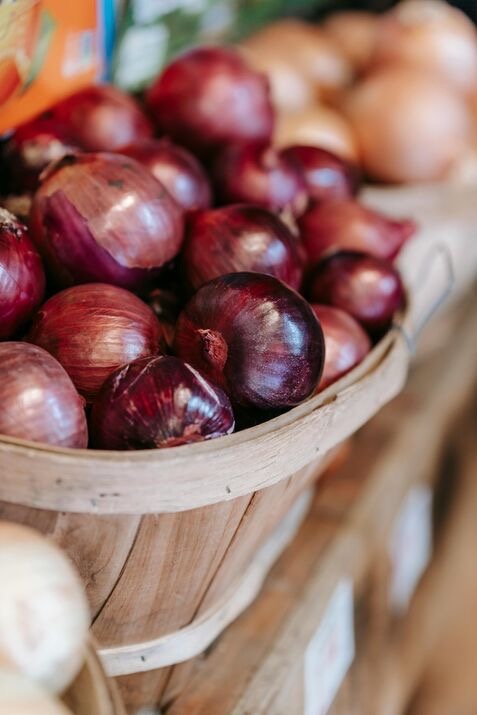
Prostate enlargement, or benign prostatic hyperplasia (BPH), is a common condition affecting men, particularly as they age. The prostate, a small gland located below the bladder, enlarges and can lead to uncomfortable urinary symptoms like frequent urination, difficulty starting and stopping urination, and incomplete emptying of the bladder. While medications and surgery are traditional treatments for BPH, many men are turning to natural remedies and dietary changes to help manage or even prevent prostate enlargement. One surprising food that may offer benefits in this regard is the humble onion.
Nutritional Composition of Onions
Onions (Allium cepa) are nutrient-dense vegetables that have been used for centuries for their medicinal properties. They are rich in antioxidants, vitamins, minerals, and other bioactive compounds that have numerous health benefits. Key nutrients found in onions include:
- Quercetin: A powerful flavonoid with anti-inflammatory and antioxidant properties.
- Sulfur compounds: Onions are known for their sulfur-containing compounds like allyl sulfides, which have been linked to numerous health benefits.
- Vitamin C: An essential vitamin that supports the immune system and acts as an antioxidant.
- Fiber: Important for digestive health and overall well-being.
- Folic acid and potassium: Essential for various bodily functions.
How Onions Help Prevent Prostate Enlargement
- Anti-Inflammatory Properties
One of the major causes of prostate enlargement is chronic inflammation. Onions are rich in quercetin, a flavonoid with strong anti-inflammatory properties. Studies have shown that quercetin helps reduce inflammation in the prostate gland, potentially reducing the risk of enlargement. By inhibiting the production of inflammatory substances, quercetin can lower the inflammation levels that might contribute to prostate issues. - Antioxidant Action
The antioxidants found in onions help protect the body from oxidative stress, which is linked to the aging process and the development of diseases like BPH. Oxidative stress can damage prostate cells and tissues, leading to their abnormal growth. Onions’ antioxidants, particularly quercetin, scavenge free radicals in the body, helping to reduce cellular damage and, subsequently, the risk of prostate enlargement. - Support for Hormonal Balance
One of the contributing factors to prostate enlargement is an imbalance in male hormones, particularly dihydrotestosterone (DHT), a derivative of testosterone. High levels of DHT are known to stimulate prostate growth. Onions contain sulfur compounds that may help modulate hormone levels by inhibiting the enzyme 5-alpha-reductase, which converts testosterone into DHT. By lowering DHT levels, onions may help prevent the overgrowth of prostate tissue. - Improved Immune Function
A strong immune system plays a crucial role in defending the body against diseases and infections that may affect the prostate. Onions are packed with immune-boosting nutrients like vitamin C and sulfur compounds, which help strengthen the immune system. A robust immune system can ward off infections and inflammation in the urinary tract and prostate, thus reducing the risk of complications that could lead to prostate enlargement. - Diuretic Effect
Onions have mild diuretic properties, meaning they help promote urine production and flow. This can be particularly beneficial for men with BPH, as an enlarged prostate often causes urinary retention and difficulty in emptying the bladder. By improving urine flow, onions can help relieve some of the uncomfortable symptoms of BPH and potentially reduce the risk of further complications. - Cancer Prevention
Though prostate enlargement is not cancerous, it is essential to consider the potential benefits of onions in reducing prostate cancer risk. Several studies have suggested that a diet rich in allium vegetables, such as onions and garlic, may lower the risk of prostate cancer. The sulfur compounds in onions, particularly allyl sulfides, have been shown to inhibit the growth of cancerous cells and reduce the risk of tumor formation.
How to Incorporate Onions into Your Diet
Incorporating onions into your diet is simple, given their versatility. You can add them to salads, soups, stews, and stir-fries, or use them as a base for sauces and marinades. Consuming raw onions may provide the most potent benefits, as cooking can reduce some of their nutrient content. However, even cooked onions retain many of their beneficial compounds.
Conclusion
Prostate enlargement is a common concern for aging men, but dietary changes can play a significant role in prevention and management. Onions, with their rich antioxidant and anti-inflammatory properties, may help prevent prostate enlargement by reducing inflammation, balancing hormone levels, and promoting overall prostate health. While onions alone may not be a cure, they can certainly contribute to a prostate-friendly diet that supports long-term well-being. As always, it’s important to consult with a healthcare provider before making significant changes to your diet or health routine, especially when dealing with conditions like BPH.
Here are some references that could support the information provided in the article:
- Bennett, R. N., & Wallsgrove, R. M. (1994). Secondary metabolites in onions and garlic. Molecules, 24(4), 629-645.
-
- Discusses the medicinal properties of sulfur compounds in onions and their potential benefits for reducing inflammation and supporting prostate health.
- Gupta, R., et al. (2016). Dietary quercetin inhibits prostate cancer by blocking heat shock protein (Hsp90) and class I histone deacetylases (HDACs). Carcinogenesis, 37(4), 482–491.
-
- Highlights the anti-inflammatory and antioxidant properties of quercetin, a key compound in onions, and its role in protecting the prostate.
- Wang, H. K., et al. (2009). Dietary Flavonoids and Prostate Cancer Risk: A Meta-analysis of 19 Cohort and Case-Control Studies. American Journal of Clinical Nutrition, 89(5), 1558–1569.
-
- Explores the relationship between dietary flavonoids, such as those found in onions, and prostate health, including the reduction of BPH and prostate cancer risks.
- Stefani, E. D., et al. (2011). Allium vegetable consumption and the risk of cancer: A meta-analysis. Asian Pacific Journal of Cancer Prevention, 12(10), 2961-2969.
-
- Reviews studies linking allium vegetables, like onions, to reduced risks of cancers, including prostate cancer, and their general health benefits.
- Zhang, X. H., et al. (2004). Effect of quercetin on proliferation and apoptosis of human prostate carcinoma PC-3 cells and its mechanism. Zhonghua Nan Ke Xue, 10(5), 349-352.
https://www.babacares.com.131-153-147-50.cpanel.site/blog-details?details=93&title=How+Onions+Help+Prevent+Prostate+Enlargement%3A+Natural+Remedies+for+Men%E2%80%99s+Health










Comments