

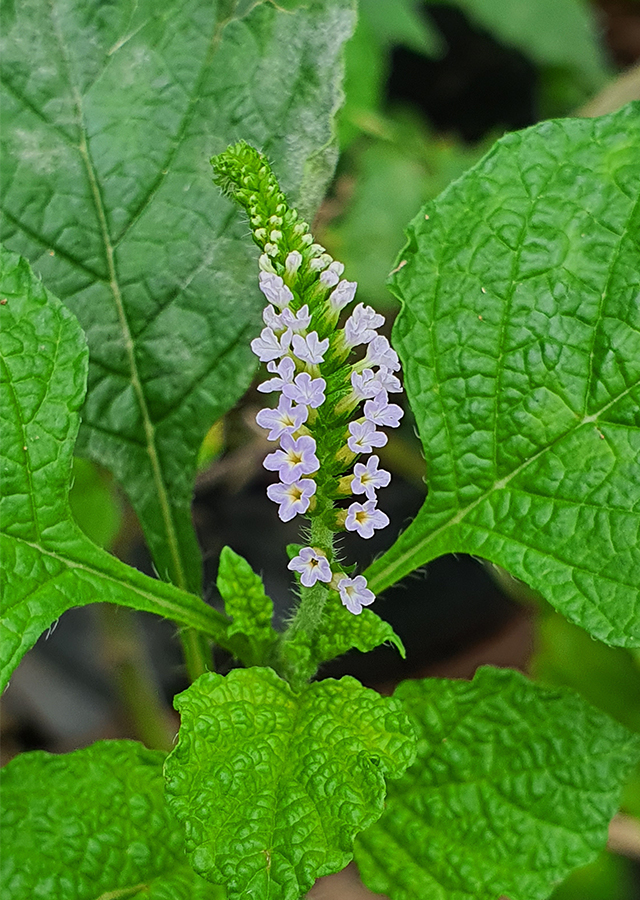
Ogbe Ori Akuko (Heliotropium indicum): Yoruba Herbal Remedy for Treating Wounds from Insect and Animal Bites.
Introduction
Heliotropium indicum, commonly known as Indian heliotrope, is a plant belonging to the Boraginaceae family. In Yoruba culture, it is referred to as Ogbe Ori Akuko or Agogo Igun, translating to "cock's comb" or "vulture's neck" due to its distinctive flower arrangement. This plant is renowned for its medicinal properties, particularly in treating various types of wounds, including those caused by insect and animal bites.
Traditional Uses in Yoruba Medicine
In Yoruba traditional medicine, Ogbe Ori Akuko is utilized for its wound-healing properties. The leaves of the plant are commonly used to treat:
- Mosquito Bites: The plant's anti-inflammatory properties help reduce swelling and itching.
- Scorpion Stings: A poultice made from the leaves is applied to alleviate pain and inflammation.
- Dog Bites: The leaves are crushed and applied to the wound to prevent infection and promote healing.
- Snake Bites: Although not a substitute for medical treatment, the plant is used as a supplementary remedy to reduce swelling and pain.
These applications are based on traditional knowledge passed down through generations.
Scientific Insights
Research has identified several bioactive compounds in Heliotropium indicum that contribute to its medicinal properties:
- Pyrrolizidine Alkaloids: Compounds like indicine-N-oxide have shown antimicrobial activity, which may aid in preventing infection in wounds.
- Flavonoids and Tannins: These compounds possess anti-inflammatory and antioxidant properties, supporting the plant's use in reducing swelling and promoting healing.
Studies have demonstrated that extracts from the plant can accelerate wound healing and exhibit antimicrobial effects against pathogens like Staphylococcus aureus nmppdb.com.ng.
Safety Considerations
While Heliotropium indicum offers therapeutic benefits, it contains pyrrolizidine alkaloids, which can be hepatotoxic if consumed in large quantities over extended periods. Therefore, it is crucial to use the plant under the guidance of a qualified healthcare professional, especially for prolonged treatments or internal use.
Availability and Conservation
Heliotropium indicum is widely distributed across tropical and subtropical regions, including parts of Nigeria. It thrives in disturbed habitats such as roadsides and fields. However, overharvesting and habitat destruction pose threats to its availability. Conservation efforts are essential to ensure sustainable use of this valuable plant.
References
- Sarkar, C., et al. (2021). Heliotropium indicum L.: From Farm to a Source of Therapeutic Agents. Pharmacognosy Reviews, 15(30), 1–7. PMC8187075
- Adelaja, A. A., et al. (2008). Evaluation of the Histopathological and Gastroprotective Effects of Heliotropium indicum. African Journal of Traditional, Complementary and Alternative Medicines, 5(3), 295–299. PMC3341904
- Wani, P. A., et al. (2018). Antioxidant, antimicrobial and antibiotic resistance activities of Heliotropium indicum. ScienceDirect. Link
- Nigerian Medicinal Plants and Phytomedicine Database (NMPPDB). Heliotropium indicum. Link
Conclusion
Ogbe Ori Akuko (Heliotropium indicum) holds significant value in Yoruba traditional medicine for treating various types of wounds, including those caused by insect and animal bites. While scientific studies support its medicinal properties, it is essential to use this plant responsibly, considering potential toxicity. Consulting with healthcare professionals before use ensures safety and efficacy.







Comments