

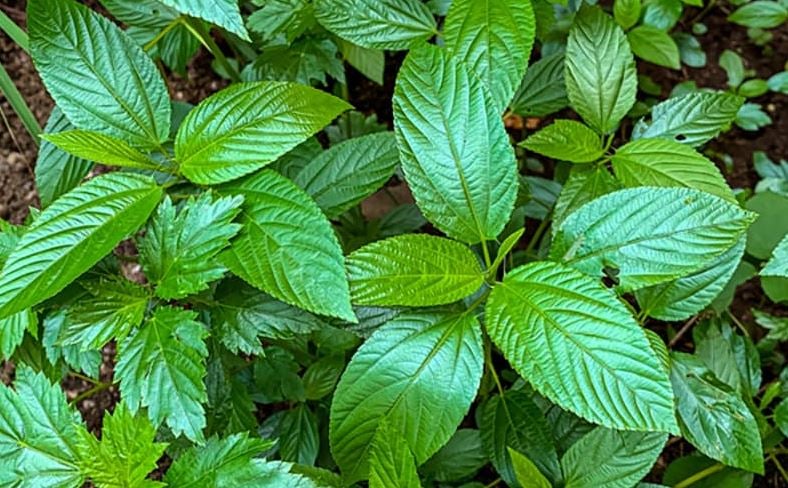
Jute, often referred to as the "golden fiber,”called EWEDU in my Yoruba dialect is one of the most affordable natural fibers and plays a significant role in the textile industry worldwide. It has been a popular material for centuries due to its durability, versatility, and eco-friendliness. This article provides a detailed overview of jute, including its characteristics, uses, benefits, and sustainability features. https://www.jute.org/
1. What is Jute?
Jute is a long, soft, and shiny vegetable fiber derived from the plants Corchorus olitorius and Corchorus capsularis. It is primarily grown in tropical regions, including India and Bangladesh, which are the world's largest producers of jute. The fiber is obtained from the stem and outer skin of the jute plant, which is retted and processed to extract its fibrous material. https://www.fao.org/jute-kenaf/en/,http://www.bjmc.gov.bd/
2. Characteristics of Jute
- Natural Fiber: Jute is a natural, biodegradable fiber, making it one of the most environmentally friendly materials available.
- High Strength and Durability: Jute fibers are strong and durable, with a high tensile strength that makes them ideal for producing heavy-duty packaging materials.
- Good Insulating Properties: Jute provides good thermal and acoustic insulation, which makes it suitable for use in home furnishings.
- Low Cost: Compared to other natural fibers like cotton, jute is much more economical to produce, making it a popular choice for a variety of applications.https://www.intracen.org/jute-market/
3. Uses of Jute
Jute is a versatile fiber with a wide range of applications:
- Textiles and Apparel: Jute is used in making fabrics for clothing, accessories, and home textiles. It is often blended with other natural fibers to produce eco-friendly fabrics.
- Sacks and Bags: Jute sacks and bags are widely used for packaging agricultural products, such as grains, coffee beans, and potatoes. These bags are breathable and prevent spoilage of the stored materials.
- Rugs and Carpets: Due to its natural color and texture, jute is used in making attractive and durable rugs, mats, and carpets.
- Handicrafts and Decor: Jute is popular in crafting decorative items such as baskets, wall hangings, and lampshades. Its rustic appearance makes it a favored material for handmade and artisanal goods.
- Agricultural Uses: Jute fibers are also used in erosion control, as they can form biodegradable geotextiles that help stabilize soil.
- Reinforcement Material: In construction, jute fibers can be used as a reinforcement material in composite applications, providing extra strength and reducing environmental impact.
4. Health and Environmental Benefits
- Eco-friendly: Jute is 100% biodegradable and compostable, making it an excellent choice for environmentally-conscious consumers. Unlike synthetic fibers, jute decomposes without leaving harmful residues.
- Low Carbon Footprint: Jute cultivation is characterized by a low carbon footprint. It requires minimal use of fertilizers and pesticides compared to other crops, such as cotton.
- Soil Improvement: Jute plants grow quickly and provide good ground cover, which helps reduce soil erosion. After harvesting, the remaining plant parts can be left in the soil, enriching it with nutrients and organic matter.
- High Biomass: Jute plants have a high biomass yield, which makes them useful in carbon sequestration, thus mitigating the effects of greenhouse gases.
5. Challenges in Jute Cultivation and Processing
- Climatic Sensitivity: Jute is highly dependent on rainfall and warm temperatures, which can make its cultivation vulnerable to changes in climate and environmental conditions.
- Limited Value Addition: In many cases, jute products are low-value items, such as sacks and bags. Limited diversification and value addition have restricted the economic growth of the jute industry.
- Processing Complexity: Retting, the process used to extract jute fibers, often requires large quantities of water and can be time-consuming, leading to quality variations if not done properly.
6. The Future of Jute
The global shift towards sustainability has created new opportunities for jute. As consumers become more concerned about plastic pollution, jute-based alternatives are gaining traction in the market. Innovative uses for jute, such as jute-based composites and biodegradable packaging, are being researched and developed. As industries and governments promote eco-friendly practices, the future of jute looks promising.
Conclusion
Jute is a truly remarkable fiber that holds great potential for addressing today's environmental challenges. Its versatility, eco-friendliness, and affordability make it an ideal material for a range of applications—from packaging and textiles to construction and crafts. Promoting the use of jute can contribute significantly to reducing our environmental impact while also providing livelihood opportunities for millions of farmers and workers in developing countries.
https://www.babacares.com.131-153-147-50.cpanel.site/blog-details?details=86&title=Jute%3A+The+Golden+Fiber+of+Sustainability











Comments