

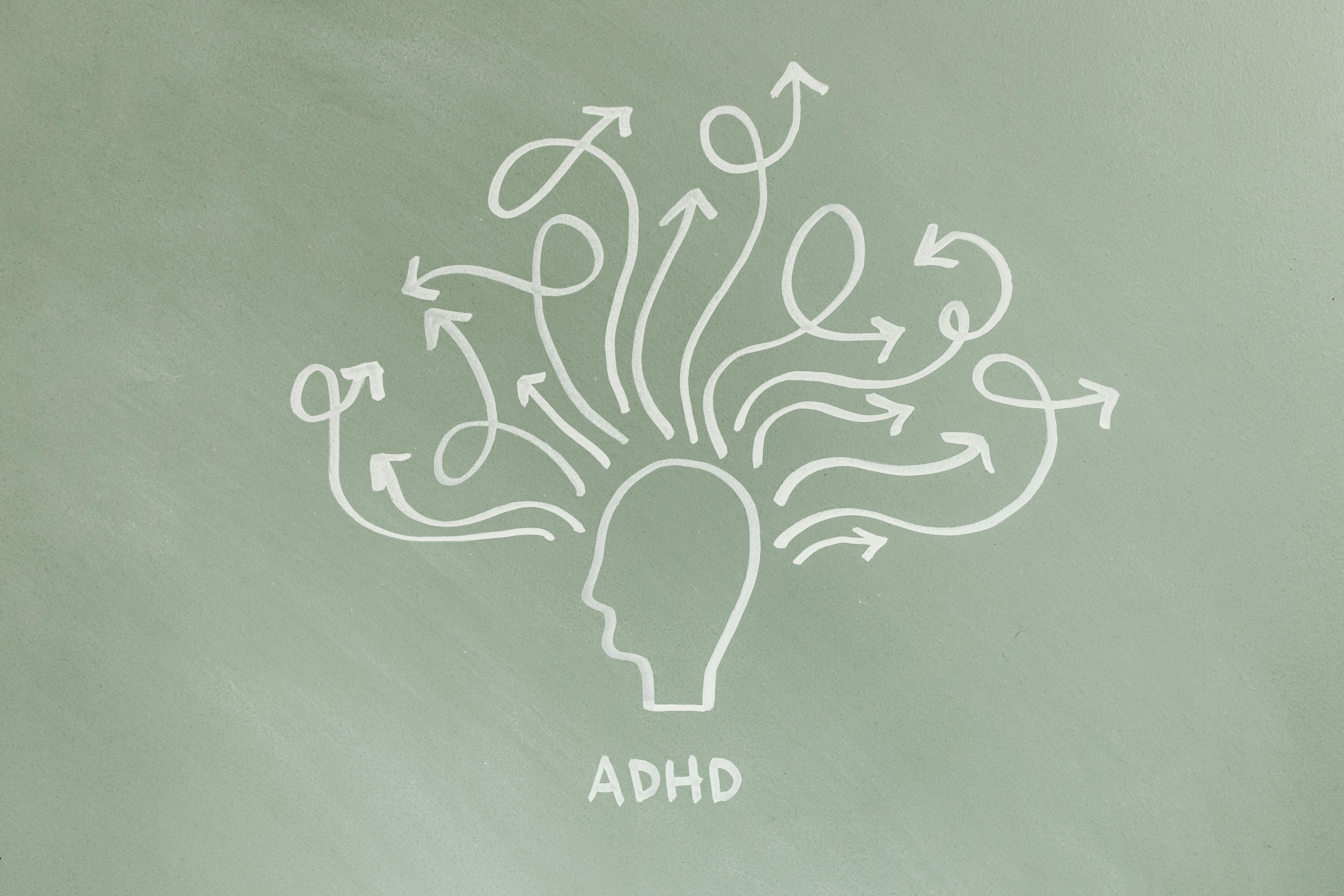
The Post-COVID Brain Health Boom: Why Neuroplasticity, Nootropics, and Mental Clarity Are Now Trending.
Introduction
The COVID-19 pandemic triggered a global mental health crisis—leaving millions with brain fog, anxiety, depression, and cognitive fatigue. As people search for ways to reclaim focus, memory, and emotional balance, three concepts have emerged at the forefront of brain wellness in 2025: neuroplasticity, nootropics, and mental clarity.
Google Trends data, health tech growth, and supplement sales all reflect a surge in interest in these topics. But what’s driving this trend—and what does science say about it?
🧬 What Is Neuroplasticity and Why Does It Matter?
Neuroplasticity is the brain’s ability to reorganize itself by forming new neural connections throughout life. It allows us to recover from injury, adapt to new experiences, and learn new skills. COVID-19 underscored this power as survivors reported post-viral brain fog, and many turned to neuroplasticity techniques to rebuild focus and cognitive strength.
According to Harvard Medical School, neuroplasticity can be activated through new learning, exercise, mindfulness, and cognitive challenges [1].
💊 Nootropics: Smart Drugs or Smart Marketing?
Nootropics, or “smart drugs,” are supplements or compounds believed to enhance cognitive function, particularly memory, creativity, focus, or motivation.
🔹 Popular natural nootropics include:
- Lion’s Mane Mushroom: Supports nerve growth factor (NGF)
- Rhodiola Rosea: Reduces mental fatigue and boosts mood
- L-Theanine + Caffeine: Enhances alertness without jitters
- Bacopa Monnieri: Improves memory and learning.
- The global nootropics market was valued at USD 10.7 billion in 2023 and is projected to reach USD 29 billion by 2030, reflecting massive post-COVID demand for brain enhancement [2].
A 2021 review in Nutrients found that several plant-based nootropics showed promise in improving memory and reducing anxiety, though more robust clinical trials are needed [3].
🧘 Mental Clarity: The New Wellness Priority
The term “mental clarity” spiked in search trends in the wake of long COVID symptoms such as brain fog, difficulty concentrating, and fatigue.
Many individuals now prioritize:
- Sleep optimization
- Digital detoxing
- Mindfulness and breathwork
- Cognitive behavioral therapy (CBT)
- Anti-inflammatory diets (rich in omega-3s, berries, and greens)
The Journal of Clinical Medicine (2022) reported that individuals who engaged in mindfulness practices experienced improved executive function and reduced COVID-related stress [4].
🔍 The COVID-19 Catalyst: Brain Fog and Cognitive Fatigue
Long COVID symptoms triggered the brain wellness movement:
- 1 in 3 survivors report cognitive symptoms up to 12 months post-infection [5].
- Healthcare professionals and remote workers especially struggled with attention span, memory recall, and emotional regulation.
This health crisis created a fertile ground for people to seek natural, holistic, and science-backed brain support strategies.
📈 The Rise of Brain Tech and Cognitive Health Products
In response to the growing demand, the market is seeing:
- Wearable neurotech: Devices like Muse and BrainTap that guide meditation and measure brain activity.
- AI-based brain training apps: Tools like Elevate, Lumosity, and Peak.
- Biohacking communities: Sharing brain-enhancing protocols involving light therapy, fasting, and neurofeedback.
According to Grand View Research, the brain health supplement market is growing at 8.1% CAGR from 2024 to 2030 [6].
🧠 How to Apply This in Daily Life
Here are actionable steps for anyone looking to improve brain performance naturally:
- Learn something new weekly – a language, instrument, or skill.
- Incorporate nootropic foods – like green tea, turmeric, walnuts, and blueberries.
- Meditate 10 minutes a day – using an app or guided audio.
- Exercise regularly – especially cardio and strength training.
- Prioritize sleep and limit blue light exposure before bedtime.
🔚 Conclusion
The post-COVID era has awakened a new consciousness around brain health. As people seek to regain their mental edge and emotional well-being, the growing interest in neuroplasticity, nootropics, and mental clarity isn’t just a trend—it’s a movement.
And with mounting research, emerging technologies, and ancient wisdom converging, we’re entering an era where optimizing brain function is no longer optional—it’s essential.
📚 References
- Harvard Health Publishing. (2021). You Can Train Your Brain. https://www.health.harvard.edu/mind-and-mood/train-your-brain
- Grand View Research. (2023). Nootropics Market Size & Trends. https://www.grandviewresearch.com/industry-analysis/nootropics-market
- Kennedy, D. O. (2021). Plant-based nootropics for cognitive enhancement: A review. Nutrients, 13(6), 1953.
- Tang, Y. Y. et al. (2022). Mindfulness meditation and cognitive recovery after COVID-19. J Clin Med, 11(8), 2341.
- Taquet, M. et al. (2021). 6-month neurological and psychiatric outcomes in 236,379 survivors of COVID-19. The Lancet Psychiatry.
- Brain Health Supplements Market Report. (2024). https://www.grandviewresearch.com/industry-analysis/brain-health-supplements-market.







Comments