

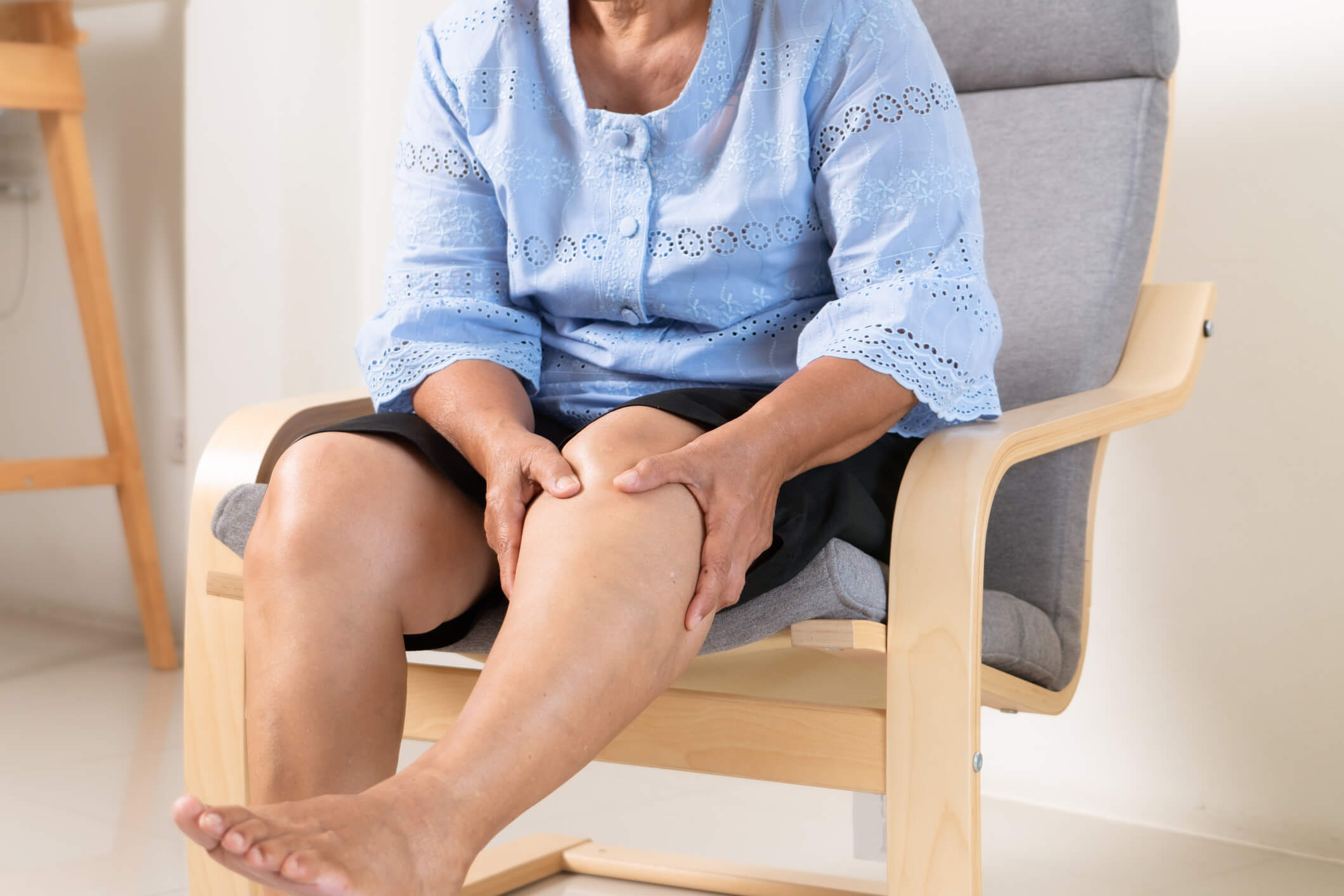
Leg Swelling in Aging: What to Know & What to Do to Stay Mobile and Healthy.
Disclosure: "This article contains affiliate links. If you purchase through these links, I may earn a commission at no extra cost to you. This helps support my work. Thank you!"
Procuct: Revitive Medic Circulation Booster - Advanced TENS and EMS Therapy for Leg and Foot Pain Relief, Swelling Reduction, and Circulation Improvement
Product Link: https://amzn.to/4d3kd1S
THE ARTICLE.
As we age, our bodies naturally undergo various changes, and one of the most common concerns among older adults is leg swelling, also known as edema. While occasional swelling may not always signal danger, persistent or severe swelling in the legs can indicate underlying health problems that need medical attention. This article explores the causes, risks, prevention, and treatment options for leg swelling in older adults, along with tips for managing it effectively.
✅ What Causes Leg Swelling in Older Adults?
Leg swelling in seniors can result from many factors, ranging from minor lifestyle habits to serious medical conditions. Common causes include:
1. Chronic Venous Insufficiency (CVI)
Aging can weaken vein walls and valves, leading to poor blood circulation. When blood pools in the lower legs instead of returning to the heart, it causes swelling, heaviness, and skin discoloration.
2. Heart Failure
When the heart is too weak to pump blood effectively, fluid can build up in the lower extremities. This congestive heart failure is a serious condition that requires prompt medical evaluation.
3. Kidney Disease
The kidneys play a vital role in fluid balance. In chronic kidney disease, excess fluid and sodium can cause noticeable swelling, especially in the ankles and feet.
4. Lymphedema
Damage to or blockage in the lymphatic system can cause fluid to collect in tissues, leading to swelling, tightness, and discomfort in the legs.
5. Medications
Certain medications used commonly by older adults can lead to fluid retention, such as:
- Calcium channel blockers
- Steroids
- NSAIDs (e.g., ibuprofen)
- Hormone therapies
6. Inactivity or Prolonged Sitting
Long periods of sitting or lying down can slow circulation and increase the risk of fluid accumulation, especially in those with limited mobility.
⚠️ When to See a Doctor
Seek immediate medical attention if leg swelling is:
- Sudden or severe
- Accompanied by shortness of breath, chest pain, or leg pain
- Only in one leg (risk of deep vein thrombosis or DVT)
- Accompanied by skin ulcers, color changes, or infection
🩺 How Is Leg Swelling Diagnosed?
Doctors use several tools to identify the underlying cause of edema:
- Physical exams and medical history
- Blood tests (to assess kidney, liver, and heart function)
- Ultrasound or Doppler studies (to check blood flow)
- ECG or echocardiogram (to evaluate heart performance)
- Urinalysis (to detect kidney-related issues)
🧘 What Can You Do to Manage and Prevent Leg Swelling?
Managing leg swelling in aging requires a combination of lifestyle changes and medical treatment. Here are some effective strategies:
1. Elevate Your Legs
Raising your legs above heart level for 20–30 minutes a few times a day helps drain excess fluid and reduce swelling.
2. Wear Compression Stockings
These stockings apply gentle pressure to the legs, promoting blood flow and preventing fluid buildup. They're especially helpful for people with venous insufficiency.
3. Stay Active
Simple exercises like walking, swimming, or chair yoga improve circulation and reduce fluid retention. Even foot pumps or ankle rolls can make a difference.
4. Limit Salt Intake
High sodium levels can cause the body to retain water. Opt for low-sodium meals and stay hydrated with plenty of water throughout the day.
5. Monitor Your Weight
Sudden weight gain can indicate fluid retention or worsening heart or kidney function. Regular weight monitoring helps detect problems early.
6. Manage Underlying Conditions
Controlling chronic illnesses such as hypertension, diabetes, and heart disease is key to preventing leg swelling and other complications.
💊 Medical Treatments for Edema in the Elderly
Depending on the underlying cause, doctors may prescribe:
- Diuretics to help flush excess fluid (e.g., furosemide)
- Medication adjustments (if drugs are causing fluid retention)
- Anticoagulants for blood clots
- Lymphedema therapy or manual lymph drainage
Never self-medicate with diuretics without a doctor’s approval, as they can lead to electrolyte imbalances and worsen some conditions.
🌿 Natural and Home Remedies
Some gentle, supportive home remedies include:
- Epsom salt foot soaks for mild swelling relief
- Massage therapy to improve lymphatic flow
- Hydrating herbal teas like dandelion or ginger (consult your doctor first)
👵 Final Thoughts: Prioritize Leg Health as You Age
Leg swelling in older adults is common, but it should never be ignored. While some causes are benign, others may signal serious health problems like heart failure or kidney disease. Taking proactive steps—like staying active, watching your salt intake, and wearing compression gear—can go a long way in keeping your legs healthy, functional, and pain-free.
Always consult a healthcare provider for a personalized treatment plan and regular monitoring, especially if swelling becomes persistent or worsens over time.
📚 References
- Mayo Clinic. (2023). Edema: Symptoms & Causes. https://www.mayoclinic.org
- Cleveland Clinic. (2023). Leg Swelling: What You Need to Know. https://my.clevelandclinic.org
- National Institute on Aging. (2023). Aging and Your Circulatory System. https://www.nia.nih.gov
- WebMD. (2023). What Causes Swollen Legs and Ankles? https://www.webmd.com
https://www.babacares.com.131-153-147-50.cpanel.site/blog-details?details=604&title=Leg+Swelling+in+Aging%3A+What+to+Know+









Comments