

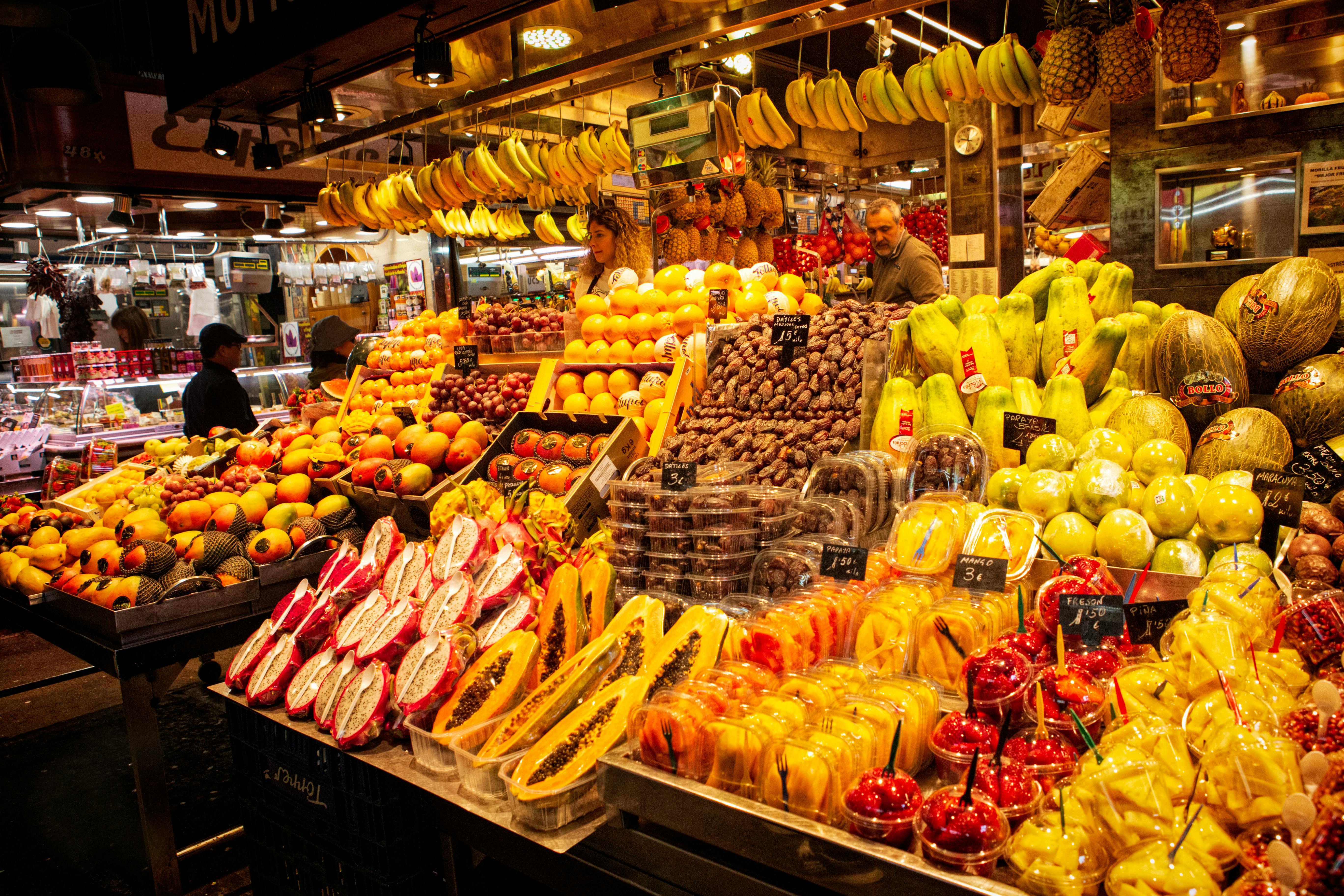
10 Natural Foods That Help Your Body Digest Heavy Meals Faster.
Introduction.
Disclosure: "This article contains affiliate links. If you purchase through these links, I may earn a commission at no extra cost to you. This helps support my work. Thank you!"
Product: VITALITY Digest+ All Herbal Supplement - 60 Tablets
Product Link: https://amzn.to/4m0pgnW
THE ARTICLE.
We’ve all been there—that sluggish, bloated feeling after indulging in a heavy meal. Whether it’s a festive feast or a weekend splurge, overeating can strain your digestive system. Fortunately, nature offers gentle, effective remedies in the form of food. Here are 10 natural foods that can improve digestion and reduce bloating after a heavy meal, backed by science and traditional wisdom.
1. Ginger
Why it works: Ginger has long been used in traditional medicine to soothe digestive discomfort. It stimulates saliva, bile, and gastric enzymes, helping break down food more efficiently.
How to use it: Sip on fresh ginger tea, chew a slice of raw ginger, or add grated ginger to warm water with lemon.
Reference: Borrelli, F., et al. (2005). Ginger's efficacy in motion sickness and gastrointestinal disorders. PubMed
2. Papaya
Why it works: Papaya contains papain, an enzyme that breaks down proteins and supports smoother digestion. It’s especially helpful after meat-heavy meals.
How to use it: Eat fresh papaya or blend into a smoothie for a tropical digestion boost.
Reference: Okeniyi, J.A., et al. (2007). Papaya seeds in treatment of intestinal parasites. Journal of Medicinal Food
3. Pineapple
Why it works: Like papaya, pineapple is rich in bromelain, a digestive enzyme that aids in protein breakdown and reduces bloating.
How to use it: Enjoy pineapple slices as dessert or juice it (without sugar) for a refreshing post-meal drink.
Reference: Maurer, H.R. (2001). Bromelain: biochemistry and pharmacology of an anti-inflammatory enzyme. PubMed
4. Yogurt
Why it works: Yogurt is packed with probiotics, the beneficial bacteria that support gut health and digestion. It can also help balance your gut microbiome after a heavy meal.
How to use it: Eat plain, unsweetened yogurt or mix with fruit for natural sweetness.
Reference: Floch, M.H., et al. (2011). Recommendations for probiotic use. Journal of Clinical Gastroenterology
5. Fennel Seeds
Why it works: Fennel seeds contain anethole, which relaxes the gastrointestinal tract and reduces gas and bloating.
How to use it: Chew a teaspoon of fennel seeds after meals or brew them into a tea.
Reference: Sharma, A., et al. (2020). Fennel and its digestive benefits: A review. International Journal of Ayurveda and Pharma Research
6. Peppermint
Why it works: Peppermint soothes the digestive tract, reduces spasms, and eases symptoms like bloating and gas.
How to use it: Drink peppermint tea or use peppermint oil capsules for more intense symptoms.
Reference: Cash, B.D., et al. (2016). Peppermint oil for IBS and digestive issues. PubMed
7. Apple Cider Vinegar (ACV)
Why it works: ACV contains acetic acid which may stimulate digestive enzymes and support gut pH balance.
How to use it: Mix 1 tablespoon of ACV in warm water and drink before or after a heavy meal (consult your doctor if you have acid reflux).
Reference: Johnston, C.S., et al. (2004). Vinegar improves postprandial insulin sensitivity. PubMed
8. Bananas
Why it works: Bananas are rich in fiber and potassium, helping move food through your digestive tract and reduce post-meal bloat.
How to use it: Eat ripe bananas as a snack or blend into a light smoothie.
Reference: Slavin, J.L. (2013). Dietary fiber and digestive health. Nutrition Journal
9. Warm Water with Lemon
Why it works: This simple drink stimulates bile production and helps cleanse the digestive tract gently.
How to use it: Squeeze half a lemon into a cup of warm water and sip slowly after meals.
Reference: Traditional naturopathic practices and anecdotal evidence suggest its efficacy.
10. Cucumber
Why it works: With high water content and mild diuretic properties, cucumber helps flush out toxins and relieve bloating.
How to use it: Add to salads or infuse cucumber slices in water for a soothing digestive drink.
Reference: USDA FoodData Central (Nutritional Profile of Cucumber)
Final Thoughts
The next time you feel weighed down after a rich meal, reach for nature’s digestive helpers. These foods not only ease bloating and gas, but they also nourish your gut, promote enzyme activity, and support long-term digestive health. While occasional indulgence is fine, balancing it with smart choices can keep your gut—and the rest of you—happy.
https://www.babacares.com.131-153-147-50.cpanel.site/blog-details?details=591&title=10+Natural+Foods+That+Help+Your+Body+Digest+Heavy+Meals+Faster.










Comments