

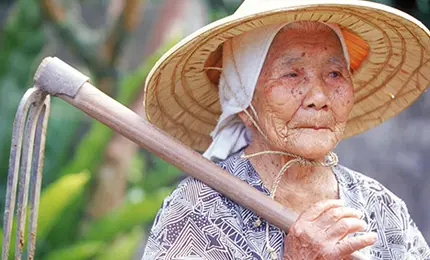
Secrets to Longevity: The Longest-Living People in Japan and Their Keys to a Healthy Life.
Disclosure: "This article contains affiliate links. If you purchase through these links, I may earn a commission at no extra cost to you. This helps support my work. Thank you!"
Book 1: OKINAWA DIET COOKBOOK FOR BEGINNERS: An Easy Satisfactory Guide to Living with Quick Delicious Recipes for Longer and Sustainable health
Book1 Link: https://amzn.to/4iQu8t7
Book 2 : AGELESS Living: Unlock the Secrets to Staying Young as You Grow is an inspiring guide that delves into the timeless pursuit of vitality, wellness, and purpose at any age.
Book 2 Link: https://amzn.to/3EQ6a3c
THE ARTICLE.
Introduction: Why Japan Has the World's Longest-Living Population
Japan is famous for its long lifespan and healthy elderly population. In fact, Japan has one of the highest life expectancies globally, with many citizens living well into their 80s and beyond. According to the World Health Organization (WHO), the average life expectancy in Japan is around 84 years, with women living slightly longer than men.
But what’s the secret behind Japan's remarkable longevity? Is it genetics, diet, culture, or lifestyle? In this article, we’ll explore the factors that contribute to the long and healthy lives of Japan’s elderly population.
1. The Okinawa Region: The “Blue Zone” of Japan
One of the most notable regions in Japan for longevity is Okinawa, often referred to as one of the world’s "Blue Zones"—areas where people live significantly longer than average. Okinawans have some of the highest rates of centenarians (people over 100 years old) in the world.
What Makes Okinawa So Special?
- Diet: The traditional Okinawan diet is rich in vegetables, soy-based foods, and fish. They emphasize low-calorie, nutrient-dense foods that are high in antioxidants and fiber. Sweet potatoes, seaweed, and tofu are staples.
- Social Support: Okinawans are known for their strong social bonds. They practice the concept of "moai," a support group where people of similar age help each other emotionally and financially.
- Physical Activity: Okinawans engage in regular low-intensity physical activities, such as walking and gardening. They also practice Tai Chi, which enhances flexibility and mental clarity.
- Mindset: Okinawans follow the principle of "Ikigai", which translates to "a reason for being." This philosophy gives them a sense of purpose and helps them maintain an active and positive outlook on life.
2. The Role of Diet in Longevity
Japan's diet plays a significant role in the longevity of its population. The traditional Japanese diet is well-balanced and rich in nutrients, offering various benefits for health. Key aspects of the Japanese diet include:
a) Fish and Seafood
The Japanese eat a lot of fish, such as salmon, mackerel, and sardines, which are rich in omega-3 fatty acids. Omega-3s help lower the risk of heart disease, improve brain function, and reduce inflammation.
b) Vegetables and Seaweed
Japanese meals often include a variety of vegetables, such as daikon radish, spinach, and cabbage, as well as seaweed varieties like nori and kombu. These foods are high in vitamins, minerals, and fiber, which are essential for overall health.
c) Green Tea
Another major contributor to longevity is the consumption of green tea. Packed with antioxidants, particularly catechins, green tea helps to reduce inflammation and supports cardiovascular health.
d) Portion Control
Japanese people practice small portion sizes and eat balanced meals. They follow the principle of "Hara Hachi Bu," which means eating until they are about 80% full. This mindful eating habit helps prevent overeating and promotes healthy weight management.
3. Active Lifestyle and Community Engagement
In Japan, the elderly are encouraged to remain active and socially engaged throughout their lives. Physical activity and strong social ties are essential for maintaining both physical and mental health.
Physical Activity
While intense workouts aren’t the norm, many older Japanese people continue to engage in regular, moderate activities, such as walking, cycling, or gardening. There’s also the practice of Radio Taiso, a daily exercise routine that the elderly participate in, which helps improve mobility and coordination.
Social Interaction
Older adults in Japan are also encouraged to maintain strong social networks. Whether it’s participating in a local club or attending community events, staying socially connected is crucial for mental and emotional health.
4. Healthcare System: Prevention Over Cure
Japan's healthcare system is another key factor contributing to the longevity of its people. The country places a strong emphasis on preventive care rather than reactive treatments. Regular check-ups and early screenings help identify potential health problems before they become severe.
Public Health Programs
Japan also has extensive public health campaigns, such as programs for cancer screenings, heart disease prevention, and promoting mental health. The country’s universal healthcare system ensures that citizens can access affordable medical care, which is vital for maintaining health into old age.
5. Mental Wellbeing and Longevity
A positive mental attitude is crucial for longevity, and the Japanese are known for their optimistic outlook on life. Concepts like Ikigai (finding one’s purpose) and Wabi-Sabi (appreciating the beauty of imperfection) help individuals embrace aging and live fulfilling lives. Many elderly people remain mentally sharp and engaged through hobbies, reading, and spending time with family and friends.
Conclusion: What We Can Learn from Japan’s Longest-Living People
Japan’s longest-living people owe their remarkable health and longevity to a combination of factors:
- A nutritious, plant-based diet
- Regular physical activity and community involvement
- A strong sense of purpose and mental well-being
- A healthcare system focused on prevention and early intervention
By adopting similar habits—such as eating a balanced diet, staying active, nurturing social connections, and finding purpose in life—we can all take steps toward living longer, healthier lives.
References
- National Institutes of Health – How Diet and Lifestyle Affect Longevity
- World Health Organization – Life Expectancy in Japan
- Okinawa Institute of Science and Technology – The Secrets of Okinawan Longevity
https://www.babacares.com.131-153-147-50.cpanel.site/blog-details?details=580&title=Secrets+to+Longevity%3A+The+Longest-Living+People+in+Japan+and+Their+Keys+to+a+Healthy+Life.











Comments