

This Simple Daily Stretch Can Stop Bladder Leakage in Women—Backed by Pelvic Floor Experts.
Disclosure: "This article contains affiliate links. If you purchase through these links, I may earn a commission at no extra cost to you. This helps support my work. Thank you!"
Product: Foldable Roman Chair Hyperextension Bench, Multi-Purpose Back Extension Bench - Glute Bench- Workout Bench for Home Gym - Ideal for Core Strength & Workouts- Exercise Equipment For Home
Product Link: https://amzn.to/44dZ82E
Introduction: Bladder Leakage—A Common but Treatable Issue
Bladder leakage or urinary incontinence affects 1 in 3 women, especially those who are post-partum, post-menopausal, or over the age of 40. While many turn to medications, pads, or even surgery, a simple stretch targeting the pelvic floor has been found to significantly reduce or eliminate leaks—with just a few minutes of practice each day.
Why Bladder Leakage Happens in Women
Urinary incontinence in women is commonly due to:
- Weakened pelvic floor muscles
- Pregnancy and childbirth
- Menopause (due to decreased estrogen)
- Obesity or chronic coughing
- Aging and sedentary lifestyle
The pelvic floor acts like a hammock of muscles that supports the bladder, uterus, and rectum. When these muscles weaken, leakage can happen with coughing, laughing, sneezing, or exercising.
The Easy Stretch That Can Help Stop Bladder Leakage
One of the most effective natural ways to regain bladder control is by performing a deep hip and pelvic stretch that targets and strengthens the pelvic floor muscles.
✅ The Butterfly Stretch with Pelvic Engagement
This gentle yoga-inspired stretch activates your pelvic muscles while opening the hips, reducing tension and improving bladder control.
How to Do It:
- Sit on the floor with your back straight and your feet together, knees bent outward.
- Let your knees fall naturally toward the ground like butterfly wings.
- While in position, gently contract your pelvic floor muscles (the same ones you use to stop urination).
- Hold the contraction for 5–10 seconds, then release.
- Repeat 10 times daily.
🧘♀️ Pro Tip: Breathe deeply and avoid clenching your abdomen or glutes.
Why It Works: Science-Backed Explanation
This stretch works because it combines mobility and muscle activation in a way that retrains the pelvic floor without strain.
- Pelvic Floor Activation (aka Kegels): Proven to strengthen bladder support muscles
(Mayo Clinic) - Hip Flexor Stretching: Reduces pressure on pelvic organs
(NIH Study on Pelvic Health and Mobility) - Mind-Muscle Connection: Conscious engagement improves results
(Journal of Women’s Health Physical Therapy, 2020)
Bonus: Other Pelvic Floor-Friendly Exercises
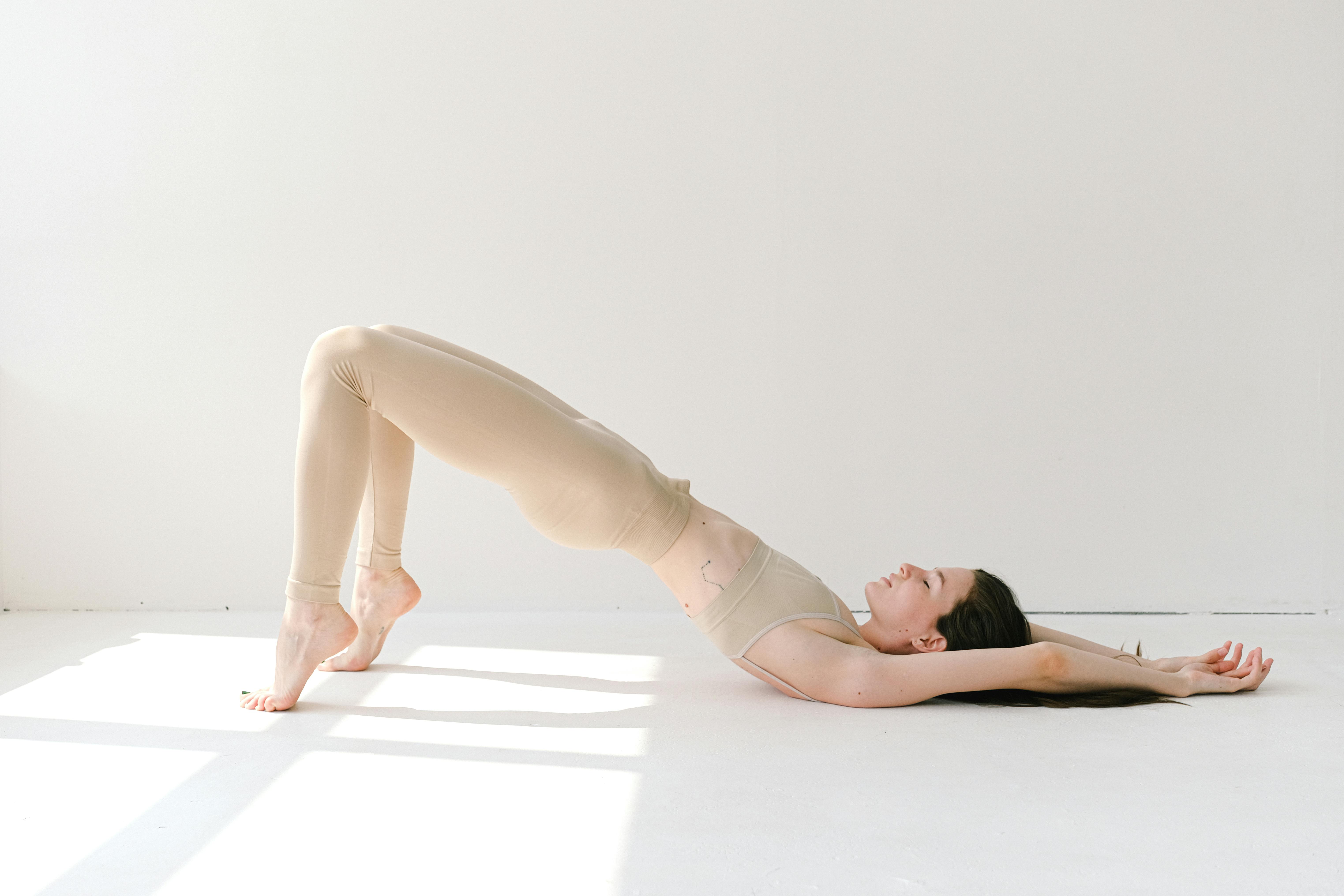
- Bridge Pose – Lifts the hips while engaging glutes and pelvic muscles
- Squats (with controlled breath) – Improves core and pelvic stability
- Cat-Cow Stretch – Enhances mobility and coordination of pelvic floor and spine
Lifestyle Tips to Improve Bladder Control Naturally
- Avoid bladder irritants like caffeine, alcohol, and spicy foods
- Drink water smartly—not too much at once, and limit intake before bed
- Maintain a healthy weight to reduce pressure on the bladder
- Don’t hold urine too long, as it weakens the bladder muscles
Conclusion: Small Stretch, Big Results
Urinary incontinence doesn’t have to control your life. This easy, low-impact stretch can offer noticeable relief in just a few weeks. Pair it with other pelvic-friendly exercises and mindful lifestyle changes to regain confidence and freedom.
💬 Have you tried pelvic floor exercises? Share your experience or questions in the comments!
https://www.babacares.com.131-153-147-50.cpanel.site/blog-details?details=565&title=This+Simple+Daily+Stretch+Can+Stop+Bladder+Leakage+in+Women%E2%80%94Backed+by+Pelvic+Floor+Experts.










Comments