

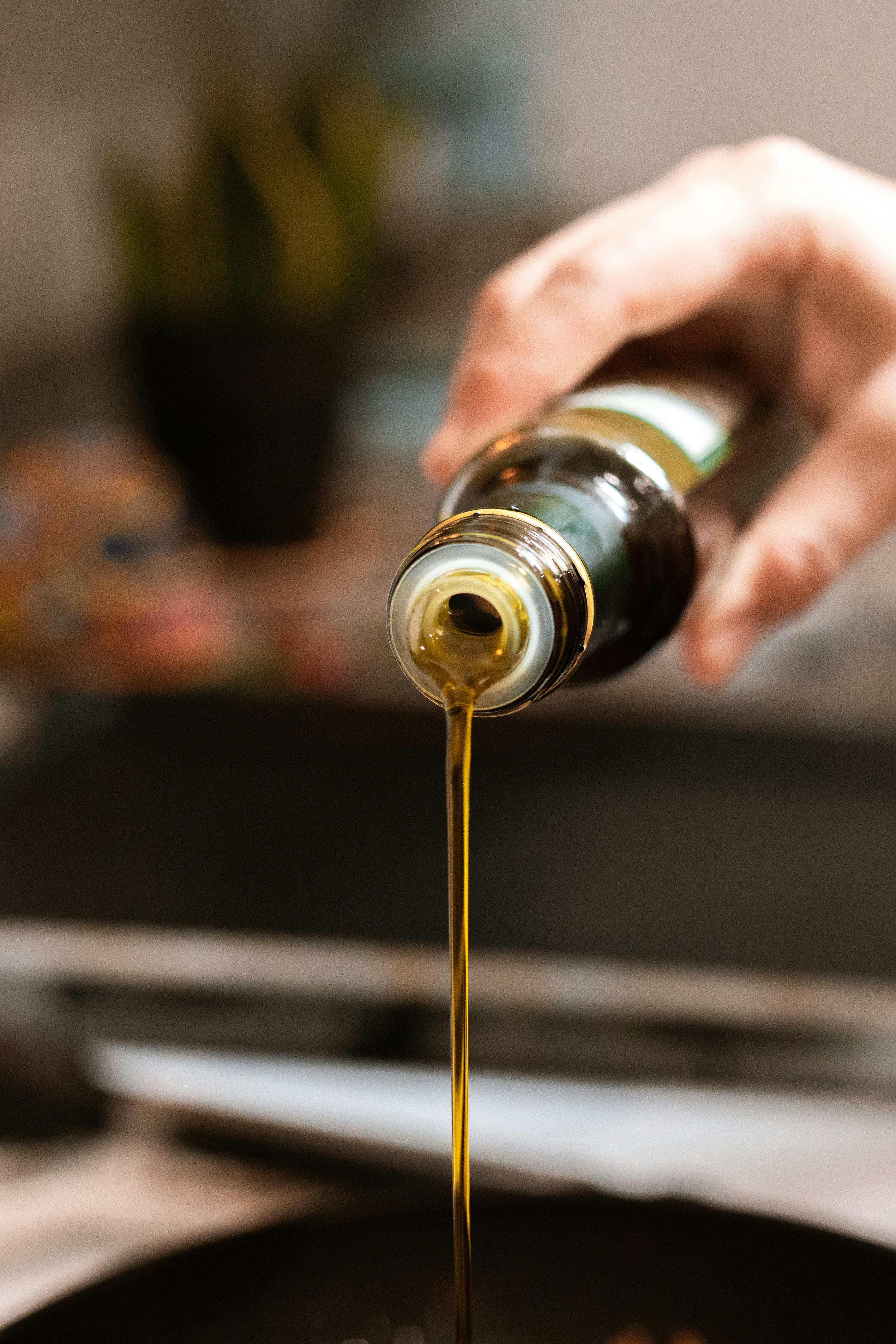
3 Key Things to Know Before Buying Olive Oil—Avoid Fake Oils and Choose the Healthiest Option.
Disclosure: "This article contains affiliate links. If you purchase through these links, I may earn a commission at no extra cost to you. This helps support my work. Thank you!"
Product: Colavita Premium Selection Extra Virgin Olive Oil, Glass Bottle, 1 Liter (Packaging May Vary)
Product Link: https://amzn.to/42xi2Ag
Introduction: Not All Olive Oils Are Created Equal
Olive oil is a staple in healthy kitchens around the world, praised for its heart-healthy fats and anti-inflammatory properties. But with so many options on the shelf, how can you be sure you’re buying the real deal—and getting the most health benefits?
According to studies, up to 70% of imported "extra virgin" olive oil sold in stores is fake or adulterated with cheaper oils (UC Davis Olive Center Report). Here are the three key things you must know before purchasing olive oil.
1. Check for “Extra Virgin” and Cold Pressed—But Don’t Stop There
The label "Extra Virgin" means the oil was extracted without chemicals or excessive heat, preserving its antioxidants and flavor. But unfortunately, just having "extra virgin" on the label doesn’t guarantee authenticity.
✅ What to look for:
- Cold-Pressed or First Cold Press: This indicates minimal heat was used, retaining maximum nutrients.
- Harvest Date: Choose oils with a recent harvest date (within the last 12–18 months).
- Dark Glass Bottles: These protect the oil from light, which can cause it to go rancid faster.
🫒 Pro Tip: Avoid oils in clear plastic bottles—they spoil quickly and may already be oxidized.
2. Know the Country of Origin—and the Region
Olive oil quality varies not just by country, but by the region and how it’s processed. Look for oils from countries with strict production standards like:
- Greece
- Spain
- Italy (specific regions like Tuscany or Puglia)
- California (USA)
Choose oils that list the region or estate on the label, not just "packed in Italy" or "product of multiple countries." This is often a red flag that the oil has been blended or diluted.
🧾 Certified seals to trust:
- PDO (Protected Designation of Origin) – EU certification
- COOC (California Olive Oil Council) – For U.S. oils
- PGI (Protected Geographical Indication)
3. Freshness Is Everything—Use It Fast and Right
Unlike wine, olive oil does not get better with age. It starts degrading as soon as it's bottled. For peak health benefits and flavor, use it within 6–12 months after opening.
💡 Storage Tips:
- Keep away from light, heat, and air
- Store in a cool, dark pantry
- Seal tightly after every use
📅 Best Before ≠ Harvest Date: Always choose based on harvest date, not the best-before label.
Bonus: How to Spot a Fake Olive Oil
- Price too good to be true? It probably is.
- Tastes bland or greasy? Real extra virgin olive oil should taste peppery, fruity, or slightly bitter—a sign of high polyphenol content.
- Do a fridge test (although debated): Pure olive oil may solidify when refrigerated due to its monounsaturated fat content.
Conclusion: Be a Smart Olive Oil Shopper
Choosing authentic olive oil isn't just about flavor—it’s about protecting your health. With the right knowledge, you can avoid fake oils, ensure freshness, and reap the anti-inflammatory, heart-supporting benefits olive oil is famous for.
References:
- UC Davis Olive Center Report: https://olivecenter.ucdavis.edu/research
- International Olive Council: https://www.internationaloliveoil.org
- Mayo Clinic: https://www.mayoclinic.org
https://www.babacares.com.131-153-147-50.cpanel.site/blog-details?details=564&title=3+Key+Things+to+Know+Before+Buying+Olive+Oil%E2%80%94Avoid+Fake+Oils+and+Choose+the+Healthiest+Option.










Comments