


15 Effective Ways to Naturally Lower Your Blood Sugar: Tips for Better Health.
Disclosure: "This article contains affiliate links. If you purchase through these links, I may earn a commission at no extra cost to you. This helps support my work. Thank you!"
Product: Hydration Powder - Cira x Alicia McCarvell's Electrolyte Drink Mix with Himalayan Salt for Dehydration Relief and Recovery - Self Love Lemonade, 45 ServingsProduct:
Product Link: https://amzn.to/42sOBiI
Introduction: Managing Blood Sugar Naturally.
THE ARTICLE.
For people living with diabetes or those at risk, managing blood sugar levels is crucial for maintaining overall health. While medications are often prescribed, there are many natural ways to help regulate blood sugar levels effectively. Lifestyle changes, diet adjustments, and regular physical activity can all play a role in keeping blood sugar levels in check.
In this article, we’ll discuss 15 effective ways to naturally lower your blood sugar and how these simple changes can make a significant difference in your health.
1. Increase Fiber Intake
Fiber is a powerful nutrient that helps regulate blood sugar by slowing the absorption of sugar into the bloodstream. Foods high in soluble fiber, like oats, beans, and vegetables, can help improve insulin sensitivity and keep your blood sugar stable.
- Foods to try: Lentils, chia seeds, avocados, sweet potatoes, and flaxseeds.
2. Exercise Regularly
Exercise is one of the best ways to lower blood sugar levels. Physical activity increases insulin sensitivity and helps muscles absorb glucose more efficiently.
- Types of exercise: Aim for at least 30 minutes of moderate exercise, such as walking, jogging, or cycling, five days a week.
3. Drink Apple Cider Vinegar
Apple cider vinegar (ACV) has been shown to reduce blood sugar spikes after meals. The acetic acid in ACV improves insulin sensitivity and can lower blood sugar levels in both type 1 and type 2 diabetes.
- How to use: Mix 1–2 tablespoons of ACV in a glass of water and drink it before or after meals.
4. Eat More Cinnamon
Cinnamon is a natural spice known to improve insulin sensitivity and lower blood sugar levels. Studies have shown that it can be as effective as certain medications in lowering blood sugar.
- How to use: Sprinkle cinnamon on oatmeal, smoothies, or use it as a seasoning in your meals.
5. Consume Magnesium-Rich Foods
Magnesium plays a role in controlling blood sugar and improving insulin function. Low magnesium levels have been linked to higher blood sugar levels.
- Foods to try: Leafy greens, nuts, seeds, whole grains, and avocados.
6. Add Turmeric to Your Diet
Turmeric contains curcumin, a compound that has been shown to help lower blood sugar and improve insulin sensitivity. It also has anti-inflammatory properties, making it beneficial for overall health.
- How to use: Add turmeric to soups, smoothies, and curries, or make turmeric tea.
7. Stay Hydrated
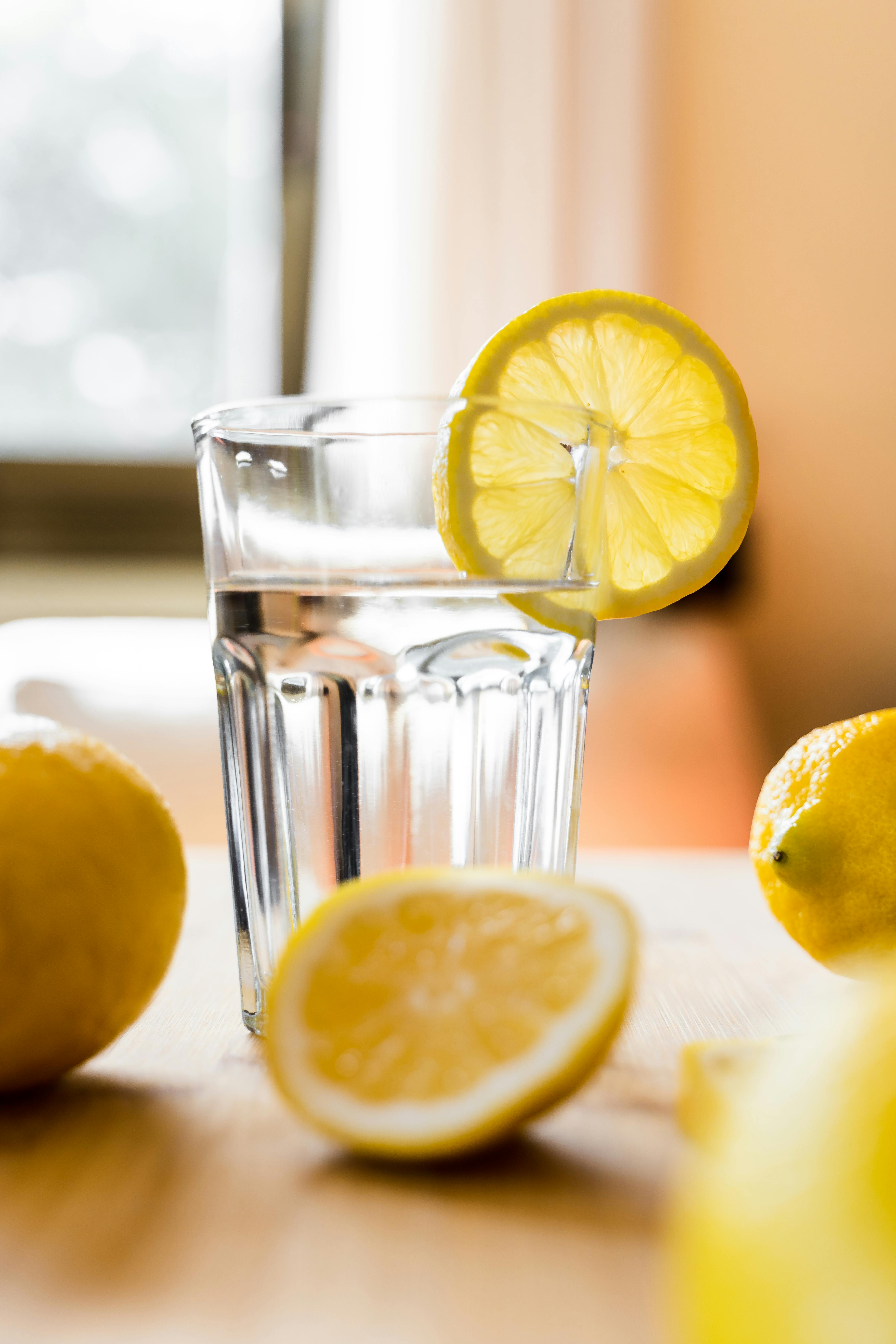
Drinking enough water throughout the day helps your kidneys flush out excess blood sugar through urine. Staying hydrated also helps regulate blood sugar levels more efficiently.
- Tip: Aim for 8-10 glasses of water daily.
8. Eat Low Glycemic Index (GI) Foods
The glycemic index measures how quickly a food raises blood sugar levels. Consuming low-GI foods can help maintain stable blood sugar levels.
- Foods to try: Sweet potatoes, legumes, whole grains, and non-starchy vegetables.
9. Manage Stress
Chronic stress can lead to high blood sugar levels due to the release of cortisol, a hormone that increases blood glucose. Managing stress through relaxation techniques can help maintain healthy blood sugar levels.
- Stress management: Try yoga, meditation, deep breathing exercises, or hobbies you enjoy.
10. Get Enough Sleep
Poor sleep can lead to increased blood sugar levels and insulin resistance. Ensuring you get adequate, restful sleep each night is essential for blood sugar regulation.
- Sleep tips: Aim for 7-9 hours of sleep per night and maintain a consistent sleep schedule.
11. Consume Bitter Melon
Bitter melon has long been used in traditional medicine to manage blood sugar levels. It contains compounds that mimic insulin and may help lower blood sugar.
- How to use: You can drink bitter melon juice or add it to your meals as a vegetable.
12. Reduce Refined Carbs and Sugars
Refined carbohydrates and sugary foods cause quick spikes in blood sugar levels. Reducing your intake of these foods can help you maintain more stable blood glucose levels.
- Foods to avoid: White bread, sugary snacks, soda, and processed foods.
13. Add Fenugreek to Your Diet
Fenugreek seeds are rich in soluble fiber and have been shown to lower blood sugar levels. They can also help improve insulin sensitivity and decrease the body's sugar absorption.
- How to use: Soak fenugreek seeds overnight and add them to your meals or smoothies.
14. Drink Green Tea
Green tea is rich in antioxidants and has been shown to help regulate blood sugar levels. It can also improve insulin sensitivity, making it beneficial for those managing diabetes.
- How to use: Drink 1-2 cups of green tea daily for optimal benefits.
15. Consume Aloe Vera Juice
Aloe vera has been shown to help reduce blood sugar levels in people with type 2 diabetes. It contains compounds that improve insulin sensitivity and support better blood sugar control.
- How to use: Drink 1–2 tablespoons of aloe vera juice daily to help lower blood sugar.
Conclusion: Natural Ways to Control Blood Sugar
Managing blood sugar naturally doesn’t have to be complicated. By incorporating these 15 natural methods into your daily routine, you can improve your blood sugar regulation and overall health. Whether through dietary adjustments, exercise, or lifestyle changes, these simple strategies can help prevent blood sugar spikes and support long-term health.
References:
- National Institute of Diabetes and Digestive and Kidney Diseases (NIDDK) – Managing Blood Sugar for Type 2 Diabetes
Link - Harvard T.H. Chan School of Public Health – Healthy Eating for a Healthy Heart
Link - Journal of Clinical Endocrinology & Metabolism – The Role of Magnesium in Type 2 Diabetes
Link - National Center for Complementary and Integrative Health (NCCIH) – Turmeric and Diabetes
Link
https://www.babacares.com.131-153-147-50.cpanel.site/blog-details?details=543&title=15+Effective+Ways+to+Naturally+Lower+Your+Blood+Sugar%3A+Tips+for+Better+Health.






Comments