

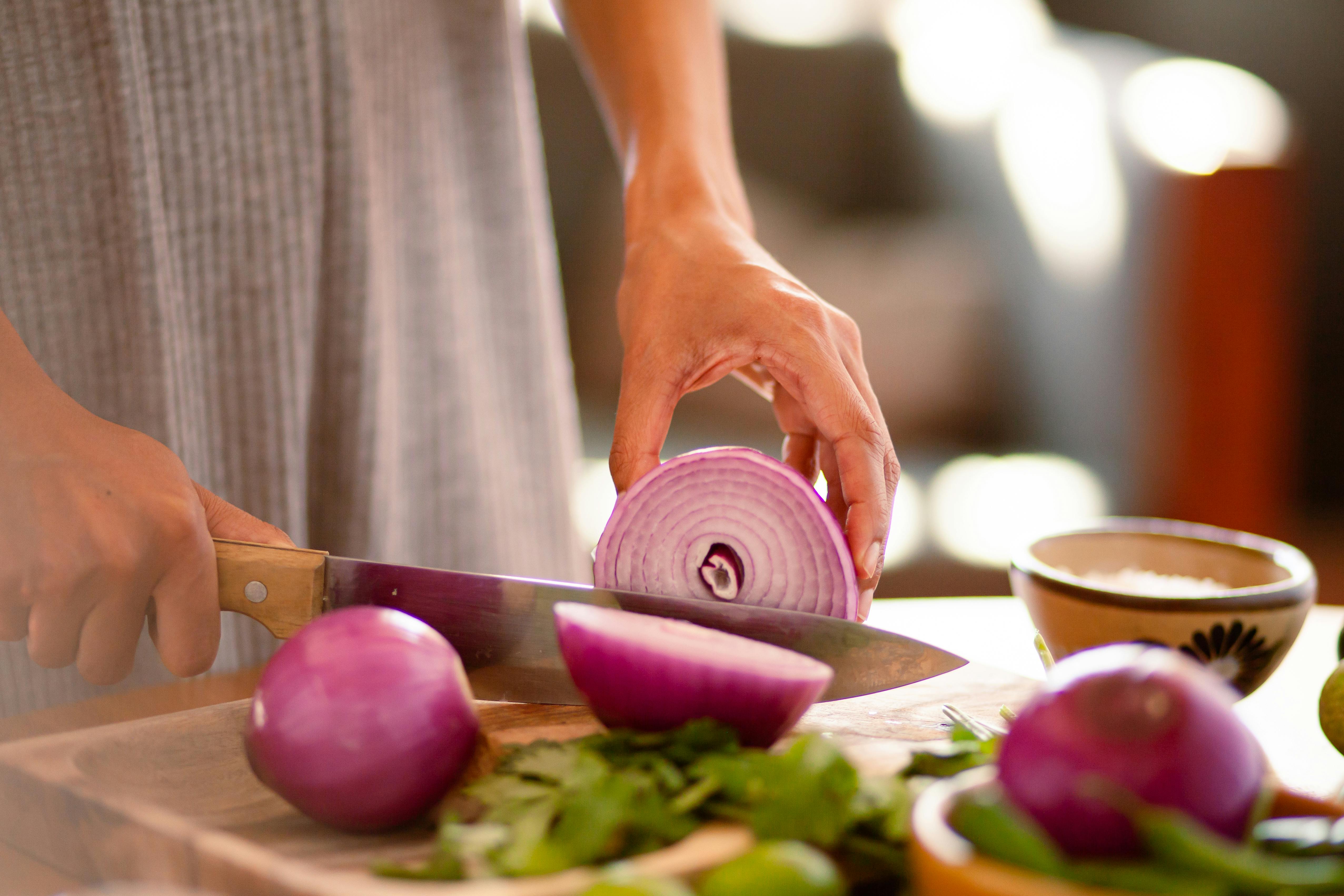
Best Place to Store Onions for Maximum Freshness and Longevity.
Disclosure: "This article contains affiliate links. If you purchase through these links, I may earn a commission at no extra cost to you. This helps support my work. Thank you!"
Product: Ortarco Onion Keeper Onion Saver Onion Storage Containers Reusable Onion Holder Organizer
Product Link: https://amzn.to/4cLLQMY
THE ARTICLE.
Introduction: How to Store Onions for Optimal Freshness.
Onions are a kitchen staple, offering a range of flavors that enhance a variety of dishes. However, to maintain their freshness and flavor, knowing the right way to store onions is essential. Improper storage can lead to sprouting, mold, or premature spoilage, which can waste your money and lead to a disappointing cooking experience.
In this article, we’ll discuss the best place to store onions and tips for prolonging their shelf life, ensuring that you get the most out of your onions.
1. Store Onions in a Cool, Dry, and Dark Place
The ideal environment for storing onions is a cool, dry, and dark space, such as a pantry, cellar, or kitchen cabinet. Onions should be kept at a temperature range between 45°F and 55°F (7°C to 13°C). Storing them in an environment that’s too warm or humid can lead to sprouting or rotting.
Why This Works:
- Cool temperatures prevent premature sprouting and help maintain flavor.
- Dry conditions reduce the chance of mold or mildew, which can cause onions to spoil.
- Darkness prevents exposure to light, which can also trigger sprouting.
Tip: Keep onions away from heat sources, such as stoves, ovens, or direct sunlight, as these conditions can accelerate their deterioration.
2. Use Proper Ventilation
Onions need good airflow to stay fresh. Avoid storing onions in plastic bags or sealed containers that trap moisture. Instead, opt for mesh bags, baskets, or perforated storage containers that allow air circulation.
Why This Works:
- Ventilation prevents moisture buildup, which can cause onions to rot quickly.
- Mesh bags or wire baskets ensure that onions are well-aerated and maintain their quality for longer.
3. Don’t Store Onions in the Refrigerator (Unless Cut)
Whole onions should never be stored in the refrigerator, as the cold and humidity can lead to mold growth and an unpleasant flavor. However, once an onion is cut, it should be stored in the fridge to prevent bacteria from growing.
Why This Works:
- Whole onions thrive in a cool, dry, dark place, not in the humid conditions of a fridge.
- Cut onions need to be kept refrigerated to ensure safety and freshness. Store them in an airtight container for up to 7-10 days.
4. Keep Onions Separate from Potatoes
While onions and potatoes may seem like natural kitchen companions, they should never be stored together. Potatoes release moisture and gases that can cause onions to spoil more quickly. Likewise, onions can cause potatoes to sprout.
Why This Works:
- Moisture from potatoes can lead to premature onion decay.
- Gases from onions can trigger sprouting in potatoes.
Store them in separate bins or areas to prolong their freshness.
5. Storing Shallots and Onions
Shallots should be stored similarly to onions, as they share many of the same storage requirements. Like onions, they should be stored in a cool, dry, dark place with good ventilation. However, shallots tend to have a shorter shelf life, so it’s best to use them within a few weeks of purchase.
6. How to Store Onions for Long-Term Use
If you have an excess of onions, consider storing them for long-term use by braiding them or placing them in mesh sacks. Hanging them up in a cool, dry location will help maintain their freshness. Some people also freeze onions for later use, though this is generally best for chopped onions and not whole ones.
Why This Works:
- Braiding or hanging allows the onions to remain well-ventilated.
- Freezing chopped onions preserves their usability for cooking, though the texture may change once thawed.
Conclusion: Keep Your Onions Fresh for Longer
By following these simple guidelines, you can ensure that your onions stay fresh, flavorful, and ready for your next meal. Storing onions in a cool, dry, and dark place with good airflow is key to prolonging their shelf life. Avoid refrigeration (except for cut onions) and separate them from potatoes to prevent spoilage.
With proper storage, you can enjoy fresh onions for weeks or even months, adding flavor to your dishes and reducing food waste.
References:
- The Spruce Eats - "How to Store Onions"
Link - USDA Food Safety and Inspection Service - "Storing and Handling Onions"
Link - Healthline - "Best Ways to Store Onions"
Link
121. 4 Foods That Are Causing You to Gain Weight (And What to Eat Instead)(Posted)
Introduction: Understanding the Link Between Food and Weight Gain
Weight gain is a complex issue influenced by many factors, including diet, exercise, and metabolism. While it's tempting to point to a single culprit for weight gain, some foods have a more significant impact than others. Certain foods, despite appearing healthy or harmless, can contribute to unwanted weight gain if consumed in excess or as part of an imbalanced diet.
In this article, we’ll highlight four foods that may be causing you to gain weight and offer healthier alternatives to incorporate into your daily diet.
1. Sugary Beverages (Sodas, Juices, Energy Drinks)
Sugary drinks, such as sodas, fruit juices, and energy drinks, are often packed with empty calories and can lead to weight gain. These drinks spike your blood sugar levels, leading to increased fat storage, especially around the belly area. Moreover, liquid calories don’t register in the brain as solid food, which means you might still feel hungry after consuming sugary drinks, leading to overeating.
Why They Cause Weight Gain:
- High in refined sugars that increase insulin resistance.
- Don’t provide lasting satiety, which can lead to overeating later.
Healthier Alternatives:
- Water: Hydrates the body without adding extra calories.
- Infused Water: Add fruits like lemon, cucumber, or mint to water for a refreshing, low-calorie drink.
- Herbal Tea: Opt for unsweetened herbal teas for a flavor boost without the sugar.
2. Processed Foods (Chips, Packaged Snacks, Fast Food)
Processed foods, such as chips, packaged snacks, and fast food, are high in unhealthy fats, sodium, and refined carbohydrates. They can contribute to weight gain by causing hormonal imbalances, increasing hunger, and promoting fat storage. Additionally, these foods often contain artificial additives and preservatives that can interfere with your body’s metabolism.
Why They Cause Weight Gain:
- High in trans fats and unhealthy oils that can lead to fat accumulation.
- High sodium content can cause water retention, making you feel bloated and adding extra weight.
Healthier Alternatives:
- Whole Grains: Choose whole-grain options like brown rice, quinoa, and oats.
- Homemade Snacks: Prepare your own snacks using whole ingredients like nuts, seeds, and fresh veggies.
- Grilled or Baked Foods: Instead of fast food, go for grilled chicken, fish, or vegetables as healthier meal options.
3. Baked Goods (Pastries, Muffins, Donuts)
Baked goods like pastries, muffins, and donuts are typically loaded with refined flour, sugars, and unhealthy fats. These foods are high in calories but provide little nutritional value, leading to weight gain when consumed regularly. Additionally, they can cause blood sugar spikes, leading to cravings for more sugary or high-calorie foods.
Why They Cause Weight Gain:
- High in added sugars and refined flour, which can cause insulin spikes.
- Provide quick energy but don’t keep you full for long, leading to overeating later.
Healthier Alternatives:
- Whole Grain or Oat Muffins: Opt for homemade muffins made with whole grains and natural sweeteners like honey or maple syrup.
- Fresh Fruit: Satisfy your sweet tooth with naturally sweet fruits such as berries, apples, or bananas.
- Healthy Homemade Treats: Try baking with almond flour or coconut flour for a healthier version of your favorite baked goods.
4. Ice Cream and High-Sugar Desserts
Ice cream and sugary desserts are often packed with empty calories, unhealthy fats, and large amounts of refined sugars. While they are delicious, they offer little nutritional value and can lead to overeating due to their high sugar content. Consuming sugary desserts regularly can also lead to fat accumulation, especially around the waistline.
Why They Cause Weight Gain:
- High in added sugars and unhealthy fats.
- Overconsumption can lead to cravings and emotional eating, further contributing to weight gain.
Healthier Alternatives:
- Greek Yogurt with Berries: Opt for plain Greek yogurt with fresh fruit for a satisfying, lower-calorie dessert.
- Frozen Banana Bites: Freeze banana slices and dip them in dark chocolate for a healthier sweet treat.
- Avocado Chocolate Mousse: Make a creamy, healthy mousse using avocado and cocoa powder as a base.
Conclusion: The Key to Healthy Weight Management
While certain foods may contribute to weight gain, it’s important to remember that balance is key. Instead of focusing on eliminating foods completely, aim for a well-rounded diet that includes whole foods, healthy fats, lean proteins, and complex carbohydrates. By replacing processed, sugary foods with healthier alternatives and adopting a mindful approach to eating, you can manage your weight more effectively.
Remember: Moderation is crucial, and small changes can have a significant impact on your health and weight in the long run.
References:
https://www.babacares.com.131-153-147-50.cpanel.site/blog-details?details=535&title=Best+Place+to+Store+Onions+for+Maximum+Freshness+and+Longevity.










Comments