

Bitter Kola: Health Benefits, Uses, and Potential Side Effects Explained
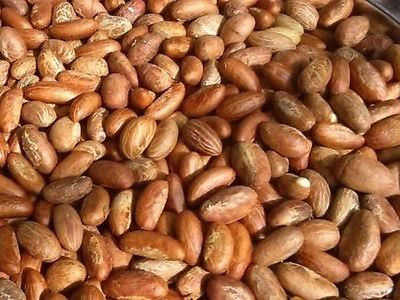
Bitter Kola (Garcinia kola), also known as "Orogbo" in Yoruba, "Mijin-goro" in Hausa, and "Akiilu" in Igbo, is a plant commonly found in Central and West Africa. It has long been used in traditional African medicine and is renowned for its numerous health benefits. The seeds, commonly referred to as "bitter kola," are known for their bitter taste and have been a crucial part of African healing practices for centuries.
Nutritional Composition
Bitter kola seeds are rich in various nutrients, including:
- Carbohydrates: Bitter kola contains carbohydrates that provide energy to the body.
- Proteins: These seeds also provide a moderate amount of proteins, essential for cell repair and growth.
- Fats: Bitter kola contains healthy fats, including omega-3 and omega-6 fatty acids.
- Vitamins and Minerals: The seeds contain vitamin C, vitamin E, potassium, calcium, and magnesium.
Health Benefits of Bitter Kola
- Anti-inflammatory and Antioxidant Properties Bitter kola contains compounds such as flavonoids and other antioxidants that help to combat oxidative stress and inflammation in the body. It has traditionally been used to alleviate conditions like arthritis and other inflammatory ailments.
- Immune System Boost Bitter kola is believed to have immune-boosting properties. It contains antioxidants, which can help the body fight off infections. In traditional medicine, it is often used to ward off colds and respiratory infections.
- Respiratory Benefits The seeds have been used to treat respiratory problems like bronchitis, asthma, and coughs. Bitter kola is believed to act as an expectorant, clearing out excess mucus and making breathing easier.
- Antimicrobial Effects Research suggests that bitter kola has antimicrobial properties and can help fight off bacterial and fungal infections. Extracts of Garcinia kola have shown effectiveness against Staphylococcus aureus and Escherichia coli, which are known to cause common infections.
- Weight Loss Aid Bitter kola is known to act as an appetite suppressant, and it can help in reducing excess food intake, contributing to weight loss efforts. It also helps boost metabolism, increasing the body's energy usage.
- Anti-diabetic Properties Some studies indicate that bitter kola may help reduce blood sugar levels, which is beneficial for individuals with type 2 diabetes. It is believed to improve insulin sensitivity and glucose metabolism.
- Gastrointestinal Benefits Bitter kola is known to aid in digestion and improve gut health. It has been used traditionally to relieve constipation, stomach pain, and other gastrointestinal issues.
- Sexual Health Benefits Bitter kola is sometimes used to enhance sexual drive and treat erectile dysfunction. It is thought to improve blood flow, which may help men struggling with potency issues.
- Detoxification and Liver Health Bitter kola is believed to promote liver health and aid in the detoxification process. It may help protect the liver from damage caused by toxins and excessive alcohol consumption.
Uses of Bitter Kola
- Chewing: The most common way to consume bitter kola is by chewing the seeds, either alone or with other herbal mixtures.
- Extracts: Bitter kola can also be consumed as a liquid extract, tincture, or powder, usually found in health stores.
- In Drinks: Some people add bitter kola powder to teas or water as a tonic to enhance its benefits.
Possible Side Effects and Precautions
- Digestive Issues Consuming large amounts of bitter kola can lead to digestive issues such as nausea, vomiting, and gastrointestinal discomfort due to its high fiber content.
- Caffeine-Like Effects Bitter kola contains caffeine-like compounds, which may cause overstimulation, increased heart rate, or sleep disturbances if consumed in excess.
- Interactions with Medications Bitter kola can potentially interact with certain medications, especially those for diabetes and blood pressure. If you are taking prescription drugs, consult your doctor before using bitter kola.
- Allergic Reactions Although rare, some individuals may be allergic to bitter kola. Symptoms may include itching, rash, or swelling after consumption.
- Pregnancy and Breastfeeding Pregnant or breastfeeding women should avoid consuming bitter kola without medical advice, as its effects during these stages have not been thoroughly studied.
Conclusion
Bitter kola has been valued for centuries for its medicinal and therapeutic properties. Its rich nutritional content and health benefits make it a valuable addition to traditional medicine. However, while there are many health claims about the benefits of bitter kola, it's important to use it cautiously, especially in high amounts or when taking other medications.
References
- Iwu, M. M. (1993). Handbook of African Medicinal Plants. CRC Press.
- Adebisi, I. A., & Adeleke, R. A. (2010). Bitter Kola (Garcinia kola) Seeds as a Potential Source of Natural Antioxidants. Journal of Medicinal Plants Research, 4(12), 1248-1251.
- Farombi, E. O., & Owoeye, O. (2011). Antioxidative and Chemopreventive Properties of Vernonia amygdalina and Garcinia biflavonoid. International Journal of Environmental Research and Public Health, 8(6), 2533-2555.
- Ajebesone, P. E., & Aina, J. O. (2004). Potential African Substances for Hops in Tropical Beer Brewing. Journal of Food Technology in Africa, 9(1), 13-16.
These references provide scientific insight into the traditional use and benefits of bitter kola, along with its safety considerations.
https://www.babacares.com.131-153-147-50.cpanel.site/blog-details?details=50&title=Bitter+Kola%3A+Health+Benefits%2C+Uses%2C+and+Potential+Side+Effects+Explained








This comes handy. Thank you sir
Ayoola Ogundiran
Oct 02, 2024