

Disclosure: "This article contains affiliate links. If you purchase through these links, I may earn a commission at no extra cost to you. This helps support my work. Thank you!"
Product: Pepsi cola Cans, 355 millilitre (Pack of 12) - Packaging May Vary
Product Link: https://amzn.to/3FXk1ox
India is taking a major step toward environmental sustainability with a new government mandate that compels beverage manufacturers to use recycled plastic in their packaging — a move that has triggered strong reactions from major players like Coca-Cola and PepsiCo, especially as the country heads into the peak summer beverage season.
New Packaging Law Takes Effect April 1, 2025
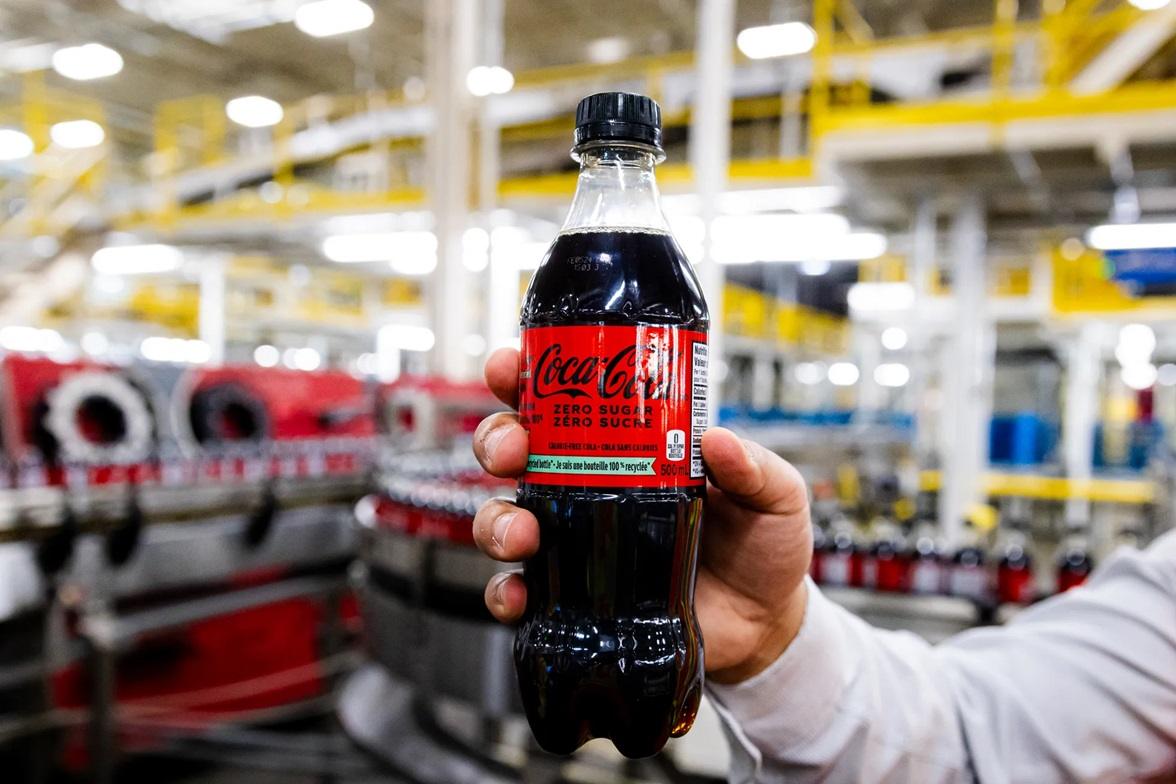
According to a report from The Economic Times, the Indian government now requires all beverage companies to use Polyethylene Terephthalate (PET) bottles containing at least 30% recycled plastic. The new regulation, implemented on April 1, 2025, will progressively increase the recycled content requirement by 10% each year, aiming for 60% by the 2028–29 fiscal year.
 Source: The Economic Times – India mandates recycled plastic in packaging (Accessed April 2025)
Industry Response: Legal Pushback Possible
The new mandate has sparked concerns within the beverage industry, particularly due to the timing — right before the start of summer, a high-demand period for bottled drinks in India.
"The timing is bad, ahead of peak summer," a senior industry executive told The Economic Times. "We may have to take legal recourse."
Both Coca-Cola India and PepsiCo India are reportedly assessing their options, with the possibility of a legal challenge not ruled out. The companies argue that the timeline is too abrupt and could lead to supply chain disruptions, particularly due to the limited domestic availability of food-grade recycled PET (rPET) in India.
The Environmental Goal: A Circular Economy
The objective of the regulation is to transition toward a circular plastic economy, in which used plastic bottles are collected, recycled, and reused — thereby reducing the amount of plastic waste that ends up in landfills, oceans, and public spaces.
Environmental experts have welcomed the move, noting that India generates over 3.4 million tonnes of plastic waste annually, of which a significant portion is single-use packaging.
Source: Ministry of Environment, Forest and Climate Change (MoEFCC), India – Annual Plastic Waste Report
Impact on Consumers and Costs
Industry insiders estimate that the shift to using recycled PET could increase production costs by around 30%, which may result in slightly higher retail prices for consumers. However, proponents argue that these are short-term trade-offs for long-term environmental and economic benefits.
By reducing dependence on virgin plastic, companies may eventually see cost savings through closed-loop recycling systems and increased compliance with global sustainability targets.
Looking Ahead
This mandate positions India as a global leader in sustainable packaging regulation. While manufacturers are grappling with the immediate logistics, the initiative sets a precedent that could influence packaging laws in other countries struggling with plastic waste.
For now, the race is on for beverage companies to redesign packaging, secure rPET supply chains, and navigate the legal and financial implications — all while staying ahead of consumer demand in one of the world’s largest soft drink markets.


Comments