


The Comprehensive Impact of Plastic Bottle Usage: Environmental and Health Considerations
Disclosure: "This article contains affiliate links. If you purchase through these links, I may earn a commission at no extra cost to you. This helps support my work. Thank you!"
Product: Sahara Sailor Water Bottle, 17oz/25oz/32oz Motivational Sports Water Bottle with Time Marker - Times to Drink - Tritan, BPA Free, Wide Mouth Leakproof, Fast...
Product Link: https://amzn.to/3DPE9se
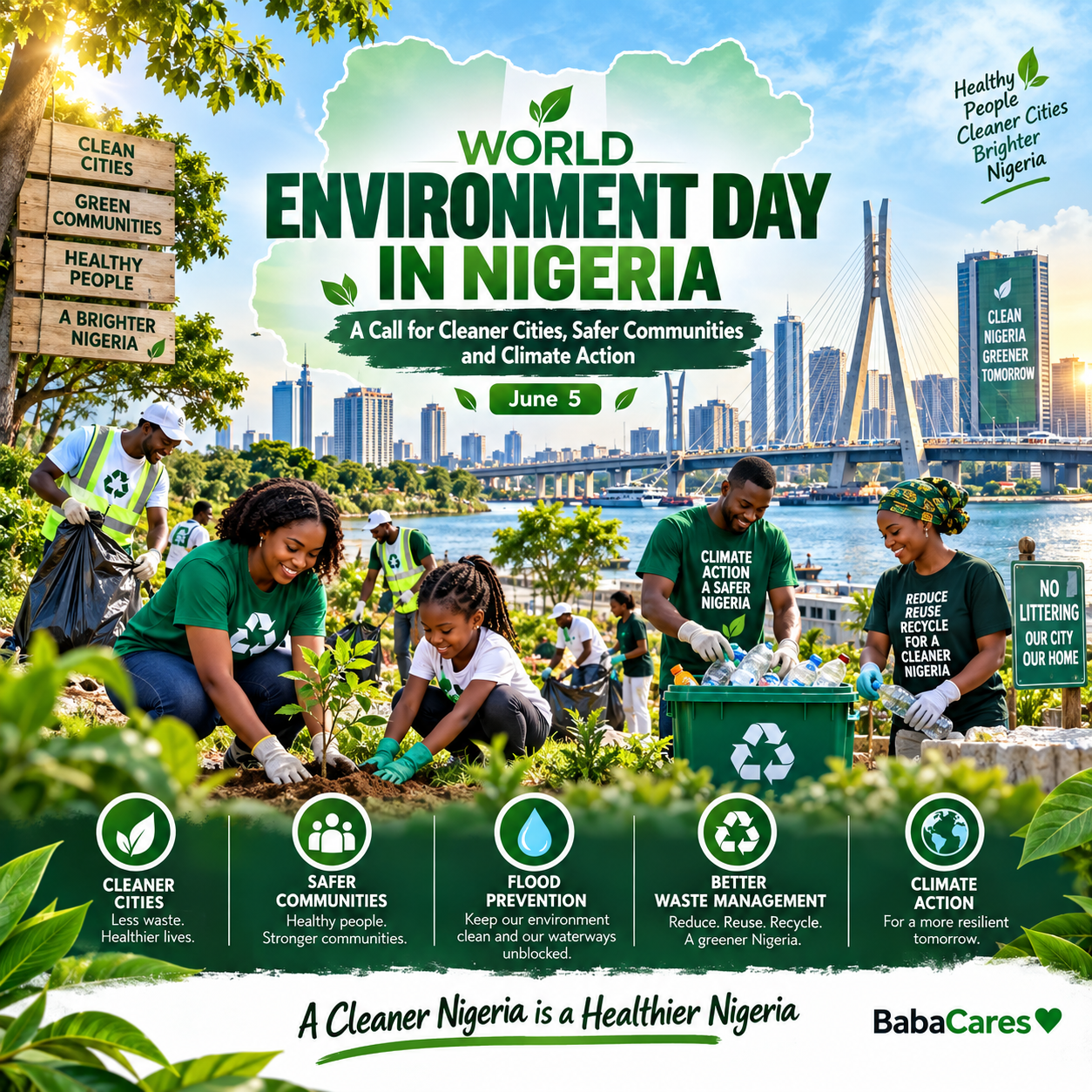
Plastic bottles have become ubiquitous in modern life, offering convenience for packaging beverages, personal care products, and household cleaners. However, their widespread use poses significant environmental and health challenges. This article explores the life cycle of plastic bottles, their environmental footprint, associated health risks, and sustainable alternatives.
1. Production and Composition
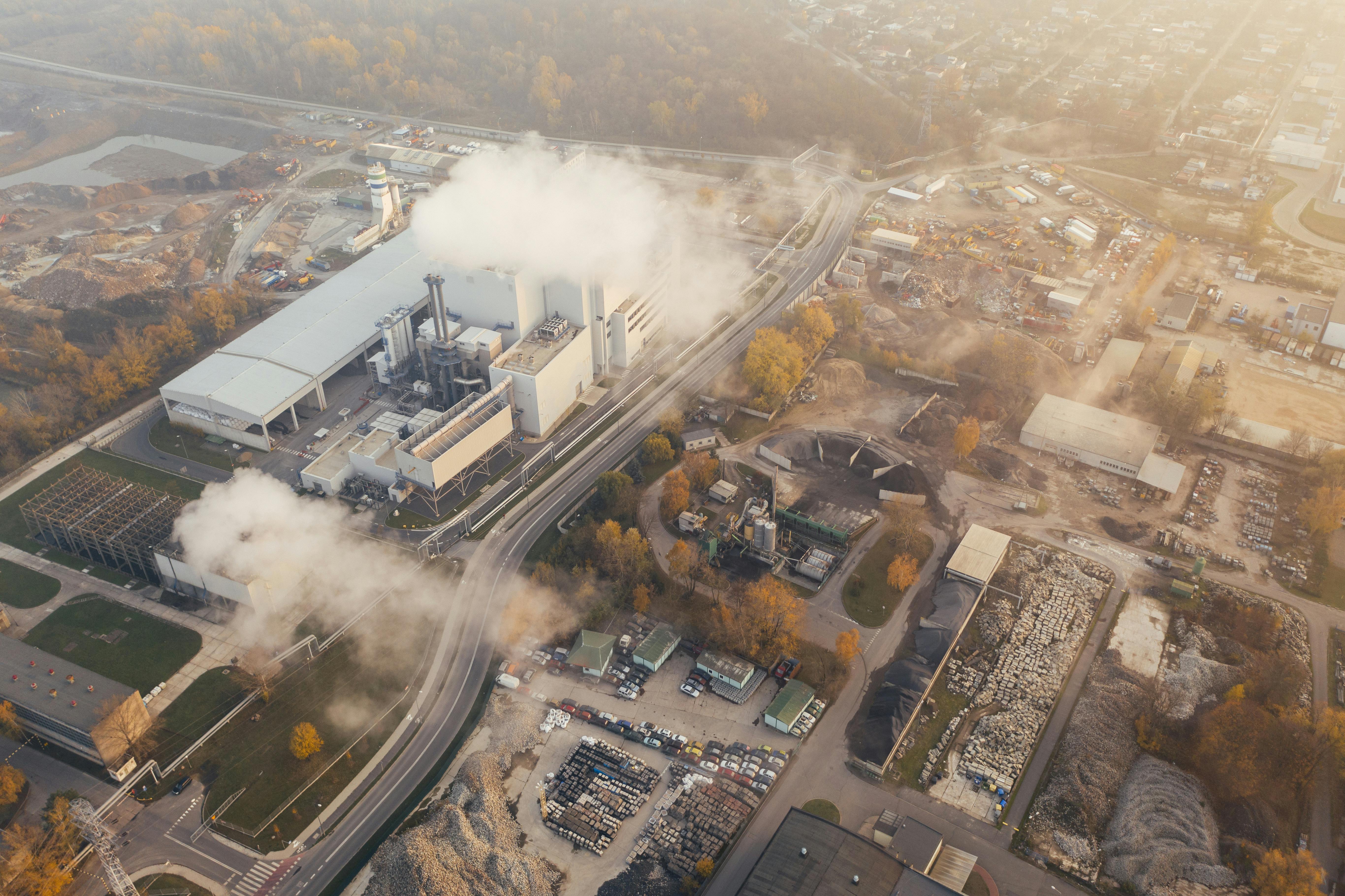
Most plastic bottles are made from polyethylene terephthalate (PET), a lightweight and durable polymer derived from fossil fuels. The production of PET involves the extraction and refining of petroleum, contributing to greenhouse gas emissions and environmental degradation. In North America, PET production is linked to 8.8 million metric tons of carbon dioxide emissions annually, with the manufacturing process releasing 200 million pounds of toxic chemicals into the air and water each year. FoodPrint
2. Environmental Impact
The environmental ramifications of plastic bottle usage are profound:
- Pollution and Waste Accumulation: Single-use plastic bottles are a major contributor to global plastic pollution. Many end up in landfills or as litter in natural environments, taking hundreds of years to decompose. During decomposition, they fragment into microplastics, which infiltrate ecosystems and pose threats to wildlife.
- Ocean Contamination: Plastic bottles significantly contribute to ocean pollution. As they degrade into microplastics, marine organisms may ingest these particles, leading to bioaccumulation up the food chain and disrupting marine biodiversity. FoodPrint+7lavie.bio+7Beyond Plastics+7
- Climate Change Contribution: The entire life cycle of plastic bottles, from production to disposal, is energy-intensive. In North America, PET production is associated with substantial carbon dioxide emissions, exacerbating climate change. InvestigateWest+1NEMS+1FoodPrint
3. Health Concerns
The use of plastic bottles raises several health considerations:
- Chemical Leaching: Certain plastics can leach harmful chemicals into beverages, especially when exposed to heat or prolonged storage. For instance, some plastics contain bisphenol A (BPA), which has been linked to fertility issues, altered brain development, cancer, and heart complications. Clean Water Action
- Microplastic Ingestion: Studies have detected microplastics in bottled water, with some brands containing hundreds of thousands of plastic particles per liter. The health implications of ingesting microplastics are still under investigation, but concerns include potential interference with the digestive and respiratory systems, as well as endocrine and reproductive harm. Wikipedia+1Plastic Pollution Coalition+1Environmental Working Group
4. Recycling Challenges
While recycling is often touted as a solution, it presents its own set of challenges:
- Low Recycling Rates: Despite the recyclability of PET bottles, a significant portion is not recycled due to inadequate facilities, contamination, and lack of consumer participation. This results in continued environmental pollution and resource wastage.
- Downcycling: Recycled PET is often downcycled into lower-quality products rather than new bottles, limiting the effectiveness of recycling efforts in reducing plastic production.
5. Sustainable Alternatives
To mitigate the adverse effects of plastic bottle usage, consider the following alternatives:
- Reusable Containers: Opt for reusable bottles made from materials like stainless steel or glass, which are durable and do not leach harmful chemicals.
- Tap Water Consumption: In regions with safe drinking water, utilizing tap water reduces reliance on bottled water. Using water filters can enhance taste and safety.
- Policy Advocacy: Support policies aimed at reducing single-use plastics, promoting recycling infrastructure, and encouraging corporate responsibility in packaging choices.
By understanding the comprehensive impact of plastic bottle usage and embracing sustainable practices, individuals and communities can contribute to a healthier environment and reduce potential health risks associated with plastic exposure.
https://www.babacares.com.131-153-147-50.cpanel.site/blog-details?details=448&title=The+Comprehensive+Impact+of+Plastic+Bottle+Usage%3A+Environmental+and+Health+Considerations








Comments