

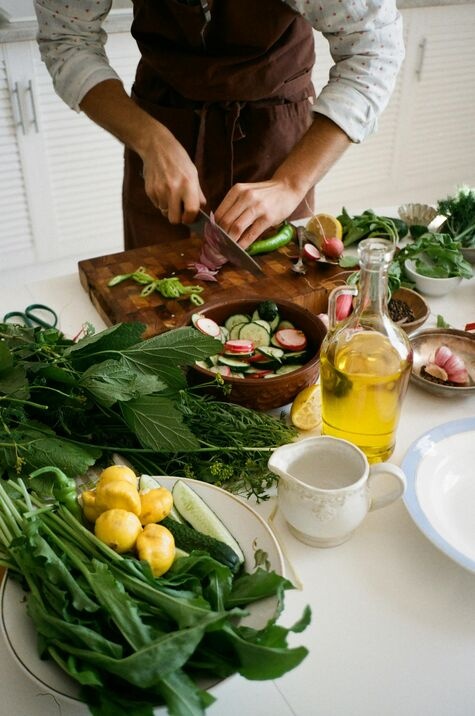
Watercress: A Nutrient-Packed Superfood – How to Use, Cook, and Preserve It.
Introduction
Watercress (Nasturtium officinale) is a vibrant green leafy vegetable known for its peppery flavor and remarkable health benefits. A member of the cruciferous vegetable family, watercress is packed with essential vitamins, minerals, and antioxidants. It has been a staple in cuisines worldwide, often used in salads, soups, and sandwiches. This article explores the various ways to use, cook, and preserve watercress to maximize its flavor and nutritional benefits.
How to Use Watercress
Watercress is incredibly versatile and can be enjoyed raw or cooked. Here are some common ways to incorporate it into your diet:
- Salads – Add fresh watercress to salads for a peppery kick. It pairs well with citrus fruits, nuts, and cheese.
- Smoothies – Blend watercress with fruits like apples and bananas for a nutrient-packed green smoothie.
- Sandwiches & Wraps – Use it as a flavorful alternative to lettuce in sandwiches and wraps.
- Garnishes – Sprinkle chopped watercress over pasta, stir-fries, or omelets for added freshness.
- Pesto – Replace basil with watercress in pesto recipes for a unique, peppery twist.
How to Cook Watercress
Cooking watercress mellows its sharp taste and enhances its texture. Here are some popular cooking methods:
- Soups – Watercress soup is a classic dish, combining watercress with potatoes, onions, and broth for a creamy and nutritious meal.
- Stir-Fries – Quickly stir-fry watercress with garlic and sesame oil for a simple, flavorful side dish.
- Steamed or Blanched – Lightly steaming or blanching watercress retains its nutrients while softening its texture.
- Omelettes & Frittatas – Adding watercress to eggs creates a nutrient-rich breakfast option.
- Sautéed – Cook watercress with olive oil, garlic, and chili flakes for a delicious side dish.
How to Preserve Watercress
Watercress has a short shelf life, but you can extend its freshness using these methods:
- Refrigeration – Store fresh watercress in a container with a damp paper towel in the crisper drawer. Use it within a few days.
- Water Storage – Keep watercress stems submerged in a jar of water (like fresh herbs) in the fridge. Cover with a plastic bag.
- Freezing – Blanch watercress in boiling water for 30 seconds, then transfer it to an ice bath. Drain and freeze in an airtight container.
- Dehydration – Dry watercress leaves using a dehydrator or oven at low heat, then crush them into powder for seasoning.
- Pickling – Preserve watercress in a vinegar-based brine for a tangy, long-lasting condiment.
Conclusion
Watercress is a powerhouse of nutrition with a versatile flavor profile that complements many dishes. Whether eaten raw, cooked, or preserved, it offers numerous culinary possibilities and health benefits. By properly storing and preserving watercress, you can enjoy its freshness and nutrients for longer.
Further Reading
- USDA National Nutrient Database: https://fdc.nal.usda.gov/
- Health Benefits of Watercress – PubMed: https://pubmed.ncbi.nlm.nih.gov/
- Recipes and Cooking Tips: https://www.bbcgoodfood.com/
By incorporating watercress into your diet, you can enjoy both its delicious taste and impressive health benefits!
https://www.babacares.com.131-153-147-50.cpanel.site/blog-details?details=414&title=Watercress%3A+A+Nutrient-Packed+Superfood+%E2%80%93+How+to+Use%2C+Cook%2C+and+Preserve+It.%C2%A0











Comments