


Fresh Air for Healthy Living: The Key to Vitality and Well-being.
Disclosure: "This article contains affiliate links. If you purchase through these links, I may earn a commission at no extra cost to you. This helps support my work. Thank you!"
Product: WINIX 5500-2 Air Purifier for Home Large Room Up to 1740 Ft² in 1 Hr With Air Quality Monitor, True HEPA, High Deodorization Carbon Filter and Auto Mode, Captures Pet Allergies, Smoke, Dust
Product Link: https://amzn.to/426Y1zd
THE ARTICLE :
Fresh air is an essential component of a healthy lifestyle, yet it is often overlooked in modern living. With increasing urbanization, pollution, and time spent indoors, the benefits of fresh air cannot be overstated. From boosting mental clarity to improving lung function and strengthening the immune system, exposure to clean, fresh air is a natural way to enhance overall well-being. This article explores the various health benefits of fresh air and offers practical tips to incorporate it into daily life.
The Health Benefits of Fresh Air
1. Improved Respiratory Health
Breathing in fresh air helps clear the lungs by removing toxins and pollutants that accumulate from indoor air and urban environments. It increases oxygen levels in the body, which enhances lung function and reduces the risk of respiratory illnesses such as asthma and bronchitis (American Lung Association, 2021).
2. Enhanced Mental Clarity and Mood
Oxygen is essential for brain function. Fresh air improves cognitive abilities, enhances concentration, and reduces brain fog. Moreover, spending time in natural environments has been shown to alleviate stress, anxiety, and depression by promoting the release of endorphins and serotonin (National Institutes of Health, 2019).
3. Stronger Immune System
Fresh air contains negatively charged ions that help boost the immune system by improving white blood cell function. A well-oxygenated body can fight off infections more effectively, reducing the risk of common colds, flu, and other illnesses (Harvard Medical School, 2020).
4. Better Sleep Quality
Exposure to fresh air, especially in the evening, can help regulate sleep patterns. Oxygen-rich environments promote relaxation and reduce stress levels, making it easier to fall asleep and enjoy a deeper, more restorative sleep (Sleep Foundation, 2021).
5. Increased Energy Levels
Oxygen is vital for producing energy in the body. Spending time outdoors and inhaling fresh air revitalizes the body, making one feel more energetic and less fatigued. This is particularly beneficial for individuals who experience sluggishness or lethargy (Mayo Clinic, 2022).
6. Heart Health and Blood Pressure Regulation
Breathing in clean air improves circulation, lowers blood pressure, and supports heart health. Fresh air reduces stress levels and the strain on the cardiovascular system, decreasing the risk of heart disease and hypertension (World Health Organization, 2021).
How to Incorporate More Fresh Air into Daily Life
1. Spend Time Outdoors Daily
Make it a habit to go for a walk, jog, or exercise in a park or open space. Activities such as hiking, gardening, or simply sitting in a garden can provide significant benefits.
2. Open Windows and Ventilate Indoor Spaces
Ensuring proper ventilation in homes and workplaces allows fresh air to circulate and replace stale, polluted indoor air. Opening windows for at least 30 minutes daily can improve indoor air quality.
3. Invest in Indoor Plants
Certain plants, such as aloe vera, snake plants, and peace lilies, help purify indoor air by absorbing toxins and releasing oxygen. Incorporating greenery into living spaces can enhance air quality and provide a refreshing atmosphere (NASA Clean Air Study, 1989).
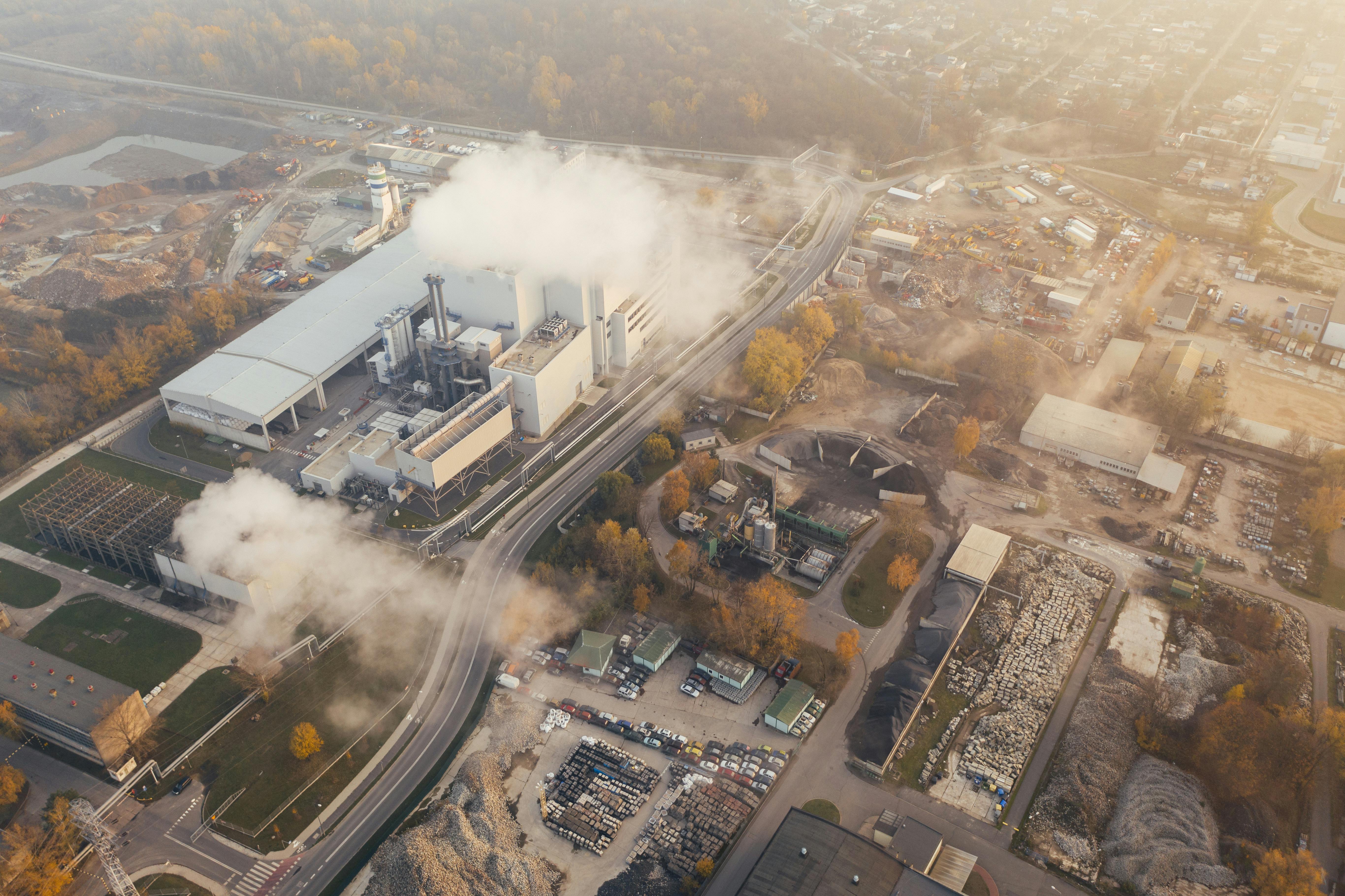
4. Avoid Polluted Areas
Minimize exposure to high-traffic areas, industrial zones, and areas with poor air quality. Opt for parks, forests, and coastal regions where air quality is significantly better.
5. Practice Deep Breathing Exercises
Engage in deep breathing techniques, such as yoga or meditation, in open spaces to maximize oxygen intake and promote relaxation.
Conclusion
Fresh air is a simple yet powerful way to boost health and vitality. By making conscious efforts to spend more time in nature and improve air quality in daily environments, individuals can enhance their physical, mental, and emotional well-being. Prioritizing fresh air is not just about better breathing—it’s about living a healthier, more energized life.
References
- American Lung Association. (2021). "The Benefits of Fresh Air on Respiratory Health."
- National Institutes of Health. (2019). "Effects of Nature on Mental Well-being."
- Harvard Medical School. (2020). "How Fresh Air Supports Immune Function."
- Sleep Foundation. (2021). "The Link Between Fresh Air and Sleep Quality."
- Mayo Clinic. (2022). "Oxygen and Its Role in Energy Production."
- World Health Organization. (2021). "Air Quality and Cardiovascular Health."
- NASA Clean Air Study. (1989). "Indoor Plants for Air Purification.”
https://www.babacares.com.131-153-147-50.cpanel.site/blog-details?details=409&title=Fresh+Air+for+Healthy+Living%3A+The+Key+to+Vitality+and+Well-being.%C2%A0







Comments