

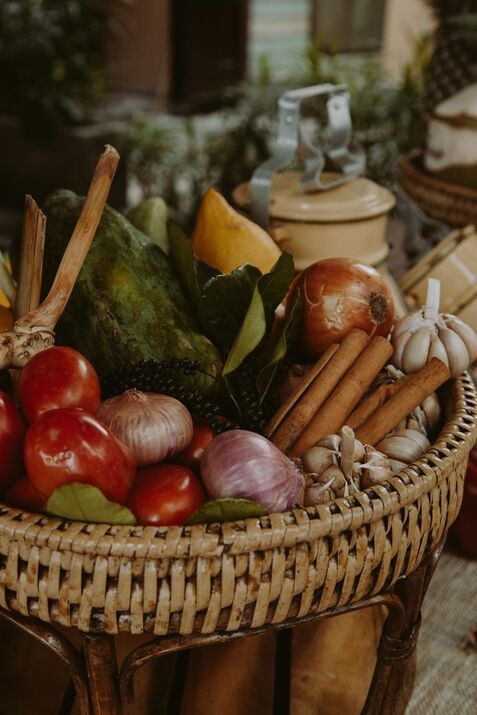
Tomatoes, Onions, and Garlic: Natural Allies in Prostate Cancer Prevention.
Disclosure: "This article contains affiliate links. If you purchase through these links, I may earn a commission at no extra cost to you. This helps support my work. Thank you!"
Book: NUTRITION and CANCER: Foods, Supplements, and Diet Strategies Paperback – March 25 2024by Sophie Domingues-Montanari (Author)
Book Link: https://amzn.to/4iBntTU
Introduction.
Prostate cancer is one of the most common cancers affecting men worldwide. According to the World Cancer Research Fund (WCRF), prostate cancer is the second most diagnosed cancer in men, with over 1.4 million new cases reported in 2020 alone. While genetics and age play a role in prostate cancer risk, diet and lifestyle factors significantly influence the disease's onset and progression.
Recent research suggests that certain foods—particularly tomatoes, onions, and garlic—possess potent compounds that may help prevent prostate cancer and support overall prostate health. These foods contain bioactive compounds with antioxidant, anti-inflammatory, and anti-cancer properties.
1. Tomatoes: The Lycopene Powerhouse
Tomatoes are rich in lycopene, a powerful antioxidant belonging to the carotenoid family. Lycopene has been widely studied for its potential in reducing prostate cancer risk and slowing tumor growth.
How Lycopene Fights Prostate Cancer
- Antioxidant Effects: Lycopene helps neutralize free radicals, which can damage cells and contribute to cancer development.
- Anti-Inflammatory Properties: Chronic inflammation is a known contributor to cancer progression, and lycopene helps reduce inflammation in prostate tissues.
- Inhibits Tumor Growth: Research shows that lycopene interferes with cancer cell proliferation and induces apoptosis (programmed cell death) in prostate cancer cells.
Scientific Evidence
A meta-analysis published in the journal Cancer Epidemiology, Biomarkers & Prevention (2018) found that higher dietary intake of tomato-based products was associated with a reduced risk of prostate cancer.
🔹 Best Ways to Consume Tomatoes for Prostate Health:
- Cooked tomatoes (tomato sauce, paste, or soup) increase lycopene absorption compared to raw tomatoes.
- Combining tomatoes with healthy fats (like olive oil or avocado) improves lycopene uptake in the body.
2. Onions: A Natural Cancer Fighter
Onions belong to the Allium family, which includes garlic, leeks, and shallots. These vegetables contain sulfur compounds, flavonoids, and antioxidants that may help prevent prostate cancer.
How Onions Protect Against Prostate Cancer
- Rich in Quercetin: Onions are a top source of quercetin, a flavonoid with strong anti-inflammatory and anti-cancer effects.
- Detoxification Properties: Onions stimulate liver enzymes that help detoxify carcinogens, reducing the body's overall cancer risk.
- Suppresses Cancer Cell Growth: Studies show that onion extracts can inhibit tumor formation and slow down the spread of prostate cancer cells.
Scientific Evidence
A study published in The Journal of the National Cancer Institute (2002) found that men who consumed higher amounts of onions and garlic had a significantly lower risk of developing prostate cancer compared to those who ate lower amounts.
🔹 Best Ways to Consume Onions for Prostate Health:
- Raw onions (in salads or sandwiches) retain more quercetin than cooked onions.
- Cooking onions lightly (sautéing or steaming) preserves beneficial sulfur compounds.
3. Garlic: The Superfood for Prostate Health
Garlic has been used for centuries as a natural remedy for numerous health conditions. Allicin, the primary active compound in garlic, has powerful anticancer, antibacterial, and anti-inflammatory effects.
How Garlic Fights Prostate Cancer
- Induces Cancer Cell Death: Allicin has been shown to trigger apoptosis (cancer cell death), slowing down tumor growth.
- Reduces Oxidative Stress: The high antioxidant content in garlic protects prostate cells from DNA damage.
- Supports Immune Function: Garlic enhances immune response, helping the body fight cancer cells more effectively.
Scientific Evidence
A meta-analysis in The American Journal of Clinical Nutrition (2013) found that men who regularly consumed garlic and other Allium vegetables had a lower risk of prostate cancer compared to those who did not.
🔹 Best Ways to Consume Garlic for Prostate Health:
- Crush or chop fresh garlic and let it sit for 10 minutes before cooking—this enhances allicin production.
- Eating raw garlic in small amounts is the most potent way to gain its full benefits.
How to Incorporate These Superfoods Into Your Diet
To maximize the prostate-protective benefits of tomatoes, onions, and garlic, consider the following meal ideas:
✔ Tomato-Based Dishes: Homemade pasta sauces, tomato soup, and salsa.
✔ Garlic-Rich Meals: Garlic-infused olive oil, roasted garlic, or fresh garlic in salad dressings.
✔ Onion-Enhanced Recipes: Add onions to stir-fries, sandwiches, and salads for extra health benefits.
💡 Pro Tip: Combining these three ingredients (tomatoes, onions, and garlic) in recipes like Mediterranean-style dishes or traditional African stews enhances both their flavor and cancer-fighting potential!
Conclusion
The power of diet in preventing prostate cancer cannot be overstated. Tomatoes, onions, and garlic are among the most potent natural foods that can reduce inflammation, neutralize harmful free radicals, and inhibit cancer growth. While no single food can completely eliminate cancer risk, incorporating these nutrient-rich foods into a balanced diet can greatly improve prostate health and overall well-being.
For the best protection, combine these dietary strategies with regular exercise, maintaining a healthy weight, reducing processed foods, and getting regular medical check-ups.
References
- World Cancer Research Fund (2020). Prostate cancer statistics. Available at: www.wcrf.org
- Giovannucci, E. et al. (2018). Tomato-based products and risk of prostate cancer: A review of epidemiologic literature. Cancer Epidemiology, Biomarkers & Prevention.
- Hsing, A. W., Chokkalingam, A. P. (2002). Allium vegetables and risk of prostate cancer: A study in Shanghai, China. The Journal of the National Cancer Institute.
https://www.babacares.com.131-153-147-50.cpanel.site/blog-details?details=404&title=Tomatoes%2C+Onions%2C+and+Garlic%3A+Natural+Allies+in+Prostate+Cancer+Prevention.









Comments