

PCOS, Endometriosis, and Women’s Hormonal Health: What You Should Know.
Introduction.
Hormonal health plays a vital role in a woman’s overall well-being, affecting metabolism, fertility, mood, and energy levels. Two of the most common yet often misunderstood conditions related to hormonal imbalances are Polycystic Ovary Syndrome (PCOS) and Endometriosis. Both conditions can have long-term impacts on reproductive health and quality of life. Understanding their causes, symptoms, and management strategies is crucial for early diagnosis and effective treatment.
Polycystic Ovary Syndrome (PCOS): The Most Common Hormonal Disorder
What is PCOS?
PCOS is a hormonal disorder affecting 1 in 10 women of reproductive age worldwide [1]. It is characterized by irregular menstrual cycles, high levels of androgens (male hormones), and ovarian cysts. However, not all women with PCOS have cysts on their ovaries.
Symptoms of PCOS
- Irregular or absent periods (due to lack of ovulation)
- Excessive hair growth (hirsutism), usually on the face, chest, or back
- Acne and oily skin
- Weight gain or difficulty losing weight
- Thinning hair or male-pattern baldness
- Insulin resistance, increasing the risk of diabetes
- Difficulty conceiving (infertility)
Causes and Risk Factors
The exact cause of PCOS is unknown, but it is linked to:
- Genetics: A family history of PCOS increases the risk.
- Insulin Resistance: High insulin levels lead to increased androgen production.
- Inflammation: Chronic low-grade inflammation is commonly observed in women with PCOS.
Diagnosis & Treatment
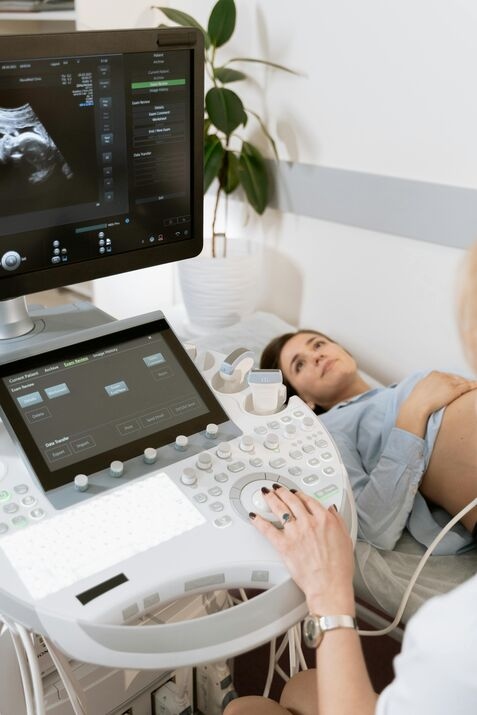
PCOS is diagnosed through a combination of blood tests, ultrasounds, and symptom assessment. Treatment focuses on symptom management:
- Lifestyle Changes: Weight management through diet and exercise can improve symptoms.
- Medications: Birth control pills help regulate periods; Metformin improves insulin sensitivity.
- Fertility Treatments: Medications like Clomid or IVF may be needed for pregnancy.
Endometriosis: A Painful and Misunderstood Condition
What is Endometriosis?
Endometriosis occurs when tissue similar to the uterine lining grows outside the uterus, causing inflammation, scarring, and severe pain. It affects around 1 in 10 women of reproductive age [2].
Symptoms of Endometriosis
- Severe pelvic pain, especially during menstruation
- Pain during or after intercourse
- Heavy or irregular periods
- Painful urination or bowel movements during menstruation
- Chronic fatigue
- Infertility or difficulty conceiving
Causes and Risk Factors
The exact cause is unclear, but factors may include:
- Retrograde Menstruation: Menstrual blood flows back into the pelvis instead of leaving the body.
- Hormonal Imbalances: High estrogen levels contribute to abnormal tissue growth.
- Genetic Factors: A family history increases the risk.
Diagnosis & Treatment
Endometriosis is diagnosed through pelvic exams, ultrasounds, and laparoscopy (a surgical procedure to inspect the pelvis).
Treatment Options
- Pain Management: NSAIDs (e.g., ibuprofen) help relieve pain.
- Hormonal Therapy: Birth control, progestin therapy, or GnRH agonists reduce symptoms.
- Surgery: Laparoscopic surgery can remove abnormal tissue for pain relief.
- Fertility Treatments: If conception is difficult, IVF may be recommended.
Hormonal Health: The Bigger Picture
Women’s hormonal health extends beyond PCOS and endometriosis. Conditions like thyroid disorders, menopause, and adrenal imbalances can also significantly impact well-being. Balancing hormones through a healthy lifestyle, medical treatments, and regular checkups is key to maintaining long-term health.
Lifestyle Tips for Hormonal Balance
- Eat a Balanced Diet: Focus on whole foods, lean proteins, and fiber to regulate insulin and hormones.
- Exercise Regularly: Helps improve insulin sensitivity and reduce inflammation.
- Manage Stress: Chronic stress affects cortisol levels, disrupting hormonal balance.
- Get Enough Sleep: Poor sleep affects hormone regulation.
- Consult a Doctor: Early diagnosis and treatment of hormonal conditions prevent complications.
Conclusion
PCOS and endometriosis are two common but often overlooked conditions affecting women’s health. Early recognition of symptoms and proactive management can significantly improve quality of life. If you suspect a hormonal imbalance, seeking medical advice is crucial. By raising awareness and advocating for better research, we can ensure more women receive the care they need.
References
- Centers for Disease Control and Prevention. Polycystic Ovary Syndrome (PCOS). Available at: https://www.cdc.gov/diabetes/basics/pcos.html
- Office on Women’s Health. Endometriosis. Available at: https://www.womenshealth.gov/a-z-topics/endometriosis
https://www.babacares.com.131-153-147-50.cpanel.site/blog-details?details=400&title=PCOS%2C+Endometriosis%2C+and+Women%E2%80%99s+Hormonal+Health%3A+What+You+Should+Know.









Comments