

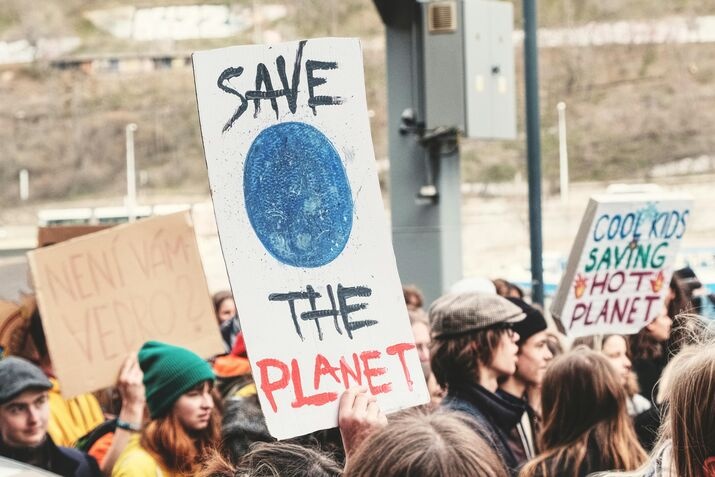
Climate Change and Health.
Climate change poses a significant and multifaceted threat to human health, influencing both direct and indirect factors that affect well-being across the globe.
Direct Health Impacts
- Heat-Related Illnesses: Rising global temperatures increase the frequency and intensity of heat waves, leading to a higher incidence of heat-related illnesses and deaths. A study published in Science Advances found that living in regions with frequent extreme heat accelerates biological aging, with residents in hotter areas like Phoenix, Tucson, and Miami exhibiting up to 14 months of additional biological aging compared to those in cooler regions.
health.com - Extreme Weather Events: Climate change intensifies extreme weather events such as hurricanes, floods, and wildfires, resulting in direct physical harm, displacement, and mental health challenges. These events can cause immediate injuries and long-term psychological effects on affected populations.
Wikipedia
Indirect Health Impacts
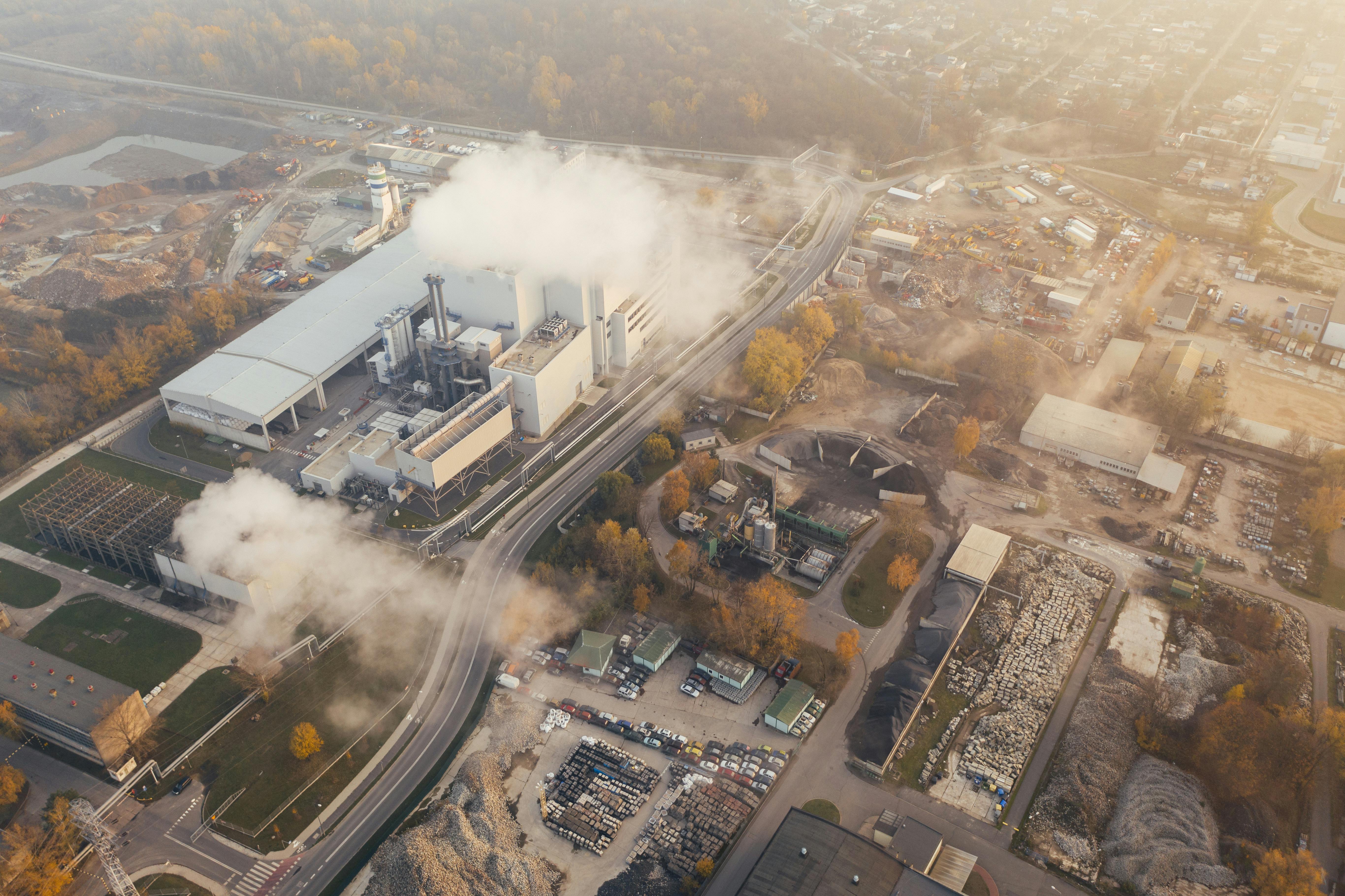
- Air Quality Deterioration: Increased temperatures can exacerbate air pollution, leading to respiratory conditions like asthma. For instance, in Atlanta, the allergy season has become longer and more intense due to climate change, with patients experiencing heightened symptoms since mid-February.
axios.com - Vector-Borne Diseases: Shifts in climate patterns alter the habitats of disease-carrying vectors such as mosquitoes and ticks, expanding the reach of diseases like malaria and Lyme disease into regions previously less affected.
Wikipedia - Food and Water Security: Climate change threatens food production and water availability, increasing the risk of undernutrition and waterborne diseases. In India, initiatives like painting roofs in slum areas with reflective white coatings aim to combat extreme heat, improving living conditions and potentially reducing heat-related health risks.
reuters.com
Vulnerable Populations
Certain groups are more susceptible to health risks associated with climate change, including children, the elderly, outdoor workers, and disadvantaged communities. These populations may face heightened exposure to environmental hazards and have limited resources to adapt to changing conditions.
Health Sector Response
Healthcare professionals are increasingly recognizing the intersection of climate change and health. Dr. Renee Salas, an emergency medicine physician at Massachusetts General Hospital, emphasizes the need to integrate climate considerations into medical practice, from patient care protocols to public health strategies. She highlights that climate change acts as a "threat multiplier," exacerbating existing health issues and introducing new challenges.
Policy and Infrastructure
Addressing the health impacts of climate change requires comprehensive policy approaches. In Gujarat, India, the implementation of "cool roofs" in slum areas serves as a mitigation strategy against extreme heat, showcasing how infrastructure improvements can directly enhance health outcomes.
However, policy decisions can also have adverse effects; for example, the recent rescission of memos promoting environmental justice considerations in infrastructure projects may overlook the health needs of marginalized communities disproportionately affected by climate change.
Conclusion
The nexus of climate change and health is complex and demands urgent attention. Mitigating health risks requires a collaborative effort encompassing healthcare adaptation, policy development, community resilience building, and global commitment to reducing greenhouse gas emissions. By proactively addressing these challenges, societies can safeguard public health and promote well-being in the face of a changing climate.
https://www.babacares.com.131-153-147-50.cpanel.site/blog-details?details=393&title=Climate+Change+and+Health.








Comments