

Measles Symptoms, Complications, Diagnosis & Treatment: Everything You Need to Know.
Disclosure: "This article contains affiliate links. If you purchase through these links, I may earn a commission at no extra cost to you. This helps support my work. Thank you!"
Product: Renew Life CandiGONE, Antifungal and Antibacterial Candida Cleanse, Yeast Cleanse, UTI Symptom Relief, 15 Day Program, 1 Kit (https://amzn.to/4kysoGR)
Symptoms of Measles
Measles symptoms typically appear 10 to 14 days after exposure to the virus.
Initial symptoms include:
- Fever: Often high, lasting about one week.
- Cough: A persistent cough.
- Runny Nose: Nasal congestion and discharge.
- Red, Watery Eyes (Conjunctivitis): Inflammation causing redness and tearing.
Approximately two to three days after these initial symptoms, small white spots known as Koplik's spots may appear inside the mouth.
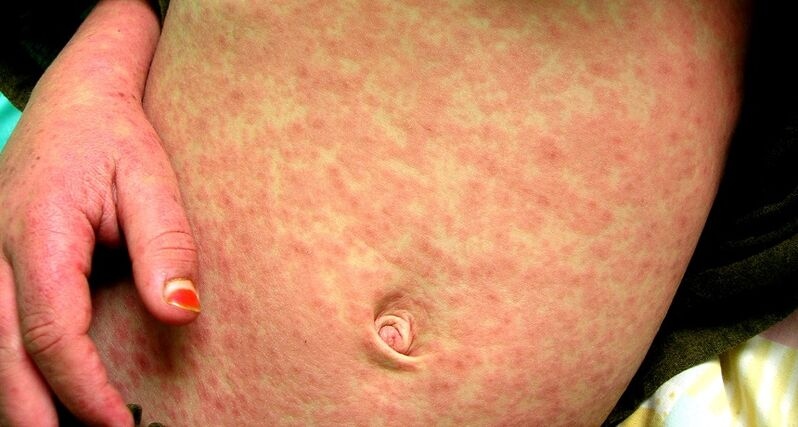
Following these early signs, a red, flat rash typically begins on the face and then spreads to the rest of the body.
The rash usually appears three to five days after the initial symptoms and can last for up to eight days.
Complications of Measles
While most people recover from measles within two to three weeks, complications can occur, including:
- Ear Infections: Occurring in about 7% of cases. Wikipedia
- Pneumonia: Occurring in about 6% of cases. Wikipedia
- Diarrhea: Occurring in about 8% of cases. Wikipedia
Severe complications, though less common, can include:
- Encephalitis: Acute brain inflammation, occurring in about 1 in 1,000 cases. Wikipedia
- Death: Occurring in 1 to 3 out of every 1,000 children infected. Wikipedia
Long-term complications of encephalitis can include:
- Blindness: Resulting from corneal scarring. Wikipedia
- Deafness: Due to nerve damage.
- Brain Injury: Leading to cognitive impairments.
A rare but fatal condition called subacute sclerosing panencephalitis (SSPE) can develop 7 to 10 years after recovering from measles.
This neurological disorder affects the brain and can occur even if it appeared that the individual had fully recovered from the initial infection. The risk of developing SSPE may be higher if measles occurred before 2 years of age.
Pregnant individuals who contract measles may experience:
- Miscarriage: Loss of pregnancy.
- Premature Labor: Early onset of labor.
- Low Birth Weight Infants: Babies born with weight below the average for their gestational age.
If You Become Ill
Measles is highly contagious, with a 90% infection rate among unvaccinated individuals who are exposed to the virus.
An infected person can spread the virus to others from four days before to four days after the rash appears.
If you develop symptoms of measles:
- Isolate at Home: Stay away from others to prevent spreading the virus.
- Contact a Healthcare Provider Immediately: Inform them of your symptoms for guidance on what to do next.
Before visiting a healthcare facility, call ahead to ensure they can take appropriate precautions to prevent the spread to others upon your arrival. Do not go to a healthcare facility or office without calling first.
Diagnosing Measles
Early diagnosis of measles is crucial to prevent its spread. Healthcare providers may suspect measles based on your symptoms and possible exposure to the virus. They may ask if:
- You're aware of transmission in your community or had exposure to someone with measles.
- You've been vaccinated against measles or previously infected with measles.
- You've recently traveled to a place where measles is present.
To confirm the diagnosis, a healthcare provider will likely collect samples for laboratory testing, which may include:
- Nose or Throat Swabs: To detect the presence of the virus.
- Blood Test: To identify measles-specific antibodies.
- Urine Test: To detect viral particles.
Contact Tracing
If you're diagnosed with measles, the case will be reported to your local public health unit. Public health officials will conduct contact tracing to:
- Determine how you became infected.
- Identify individuals you've been in contact with to assess their risk of exposure.
This process helps prevent further spread of the virus. Public health officials will also provide advice on reducing transmission, such as staying home and avoiding contact with others until four days after the rash first appeared.
Treating Measles
There are no specific antiviral treatments for a measles infection. Management focuses on relieving symptoms and addressing complications if they develop. Most people with measles recover at home, but severe cases may require hospitalization. A healthcare provider will likely:
- Recommend Medication: To reduce fever.
- Advise Rest and Hydration: Encourage plenty of fluids and rest.
If your symptoms worsen and you need urgent medical care, call ahead to the healthcare facility. This allows them to arrange to see you without risking the spread of the infection to others.
Most individuals fully recover from measles within two to three weeks if they don't develop complications.
https://www.babacares.com.131-153-147-50.cpanel.site/blog-details?details=362&title=Measles+Symptoms%2C+Complications%2C+Diagnosis+





Comments