


How to Stay Hydrated and Energized While Fasting in Ramadan.
Ramadan is a sacred month observed by millions of Muslims worldwide. Fasting from dawn to sunset requires discipline and devotion, but it also challenges maintaining hydration and energy levels. Proper hydration and nutrition can help ensure a healthy and fulfilling fasting experience. Here are some essential tips to stay hydrated and energized throughout the day.
1. Hydration Strategies During Suhoor and Iftar
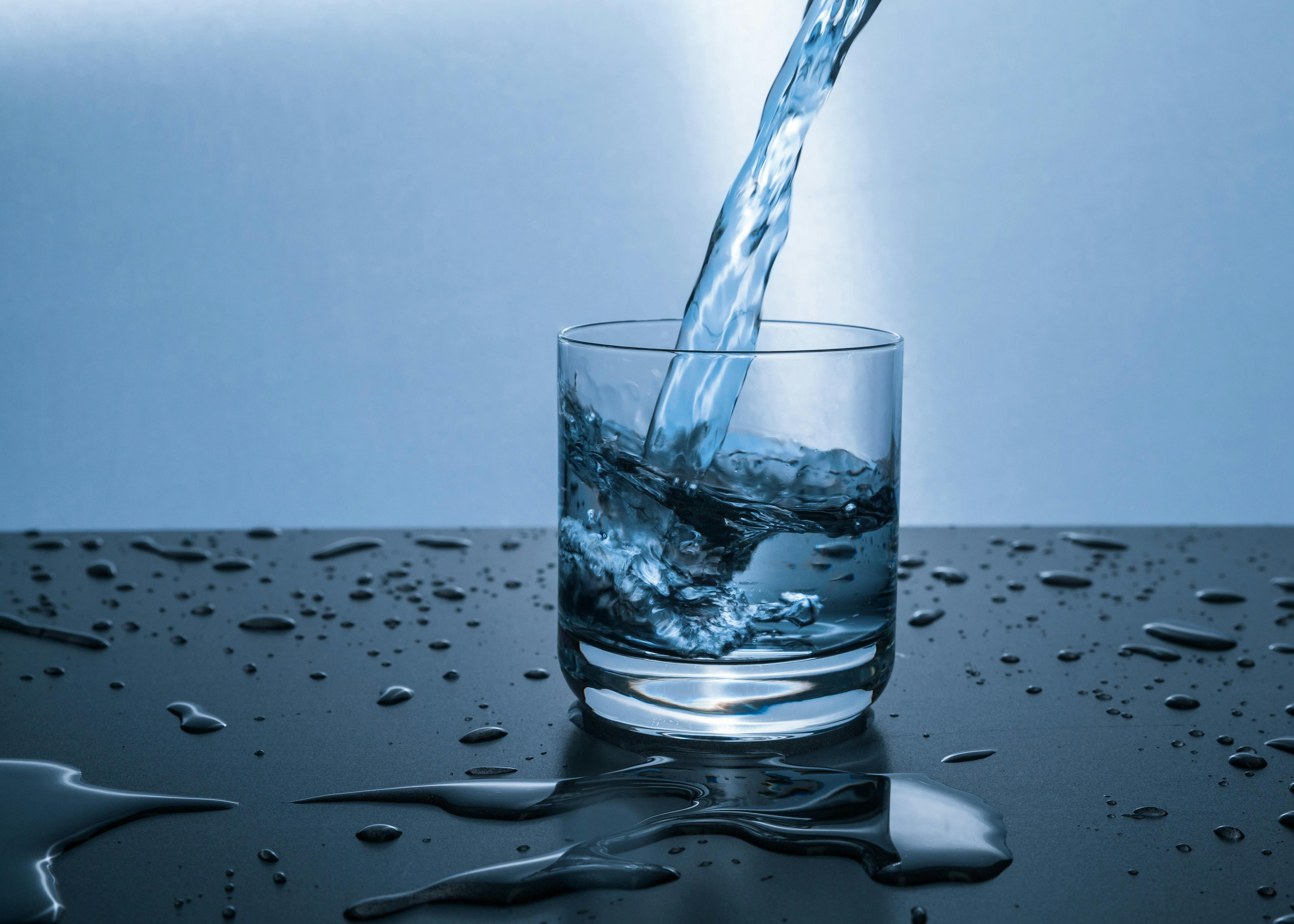
Staying hydrated during Ramadan is crucial, as dehydration can lead to fatigue, headaches, and reduced concentration. To maintain optimal hydration:
- Drink Plenty of Water: Aim for at least 8–10 glasses between Iftar and Suhoor. Sip water gradually rather than consuming it all at once.
- Choose Hydrating Foods: Fruits and vegetables like cucumbers, watermelons, oranges, and strawberries have high water content and help keep you hydrated.
- Limit Caffeinated Beverages: Coffee, tea, and soft drinks can lead to dehydration by increasing urine output. Opt for herbal teas or fresh juices instead.
- Avoid Salty and Processed Foods: Salty foods can increase thirst and contribute to dehydration, so minimize processed foods, chips, and salty snacks.
2. Nutritional Tips to Maintain Energy Levels
Fasting for long hours requires strategic food choices to sustain energy levels. Consider the following:
- Eat a Balanced Suhoor: A wholesome Suhoor meal should include complex carbohydrates (whole grains, oats), protein (eggs, yogurt, nuts), and healthy fats (avocados, olive oil) to provide sustained energy.
- Include Protein-Rich Foods: Protein helps in muscle maintenance and prevents energy crashes. Foods like lean meats, legumes, and dairy products are excellent choices.
- Consume Slow-Digesting Carbs: Whole grains, brown rice, and oats release energy gradually, keeping you full longer and preventing mid-day energy dips.
- Incorporate Healthy Fats: Nuts, seeds, and avocados provide essential fatty acids that help maintain energy throughout the fasting hours.
3. Managing Energy Throughout the Day
Fatigue is common while fasting, but with the right habits, you can stay active and energized.
- Take Short Naps: A 20–30 minute nap can boost alertness and reduce fatigue.
- Avoid Strenuous Activities: If possible, schedule intense workouts or physical activities after Iftar to conserve energy.
- Engage in Light Activities: Walking, stretching, or simple household chores can help maintain circulation and prevent sluggishness.
- Prioritize Quality Sleep: Ensure you get 6–8 hours of sleep per night to allow your body to recover and function optimally.
4. Best Foods to Break Your Fast
Breaking your fast with nutrient-dense foods can replenish lost energy and hydration effectively.
- Start with Dates and Water: Dates provide a quick energy boost, while water rehydrates your body.
- Consume Soups and Hydrating Foods: Lentil or vegetable soups help restore hydration and provide essential nutrients.
- Eat a Balanced Meal: Include lean proteins, complex carbs, and vegetables for a nourishing Iftar meal.
Conclusion
Fasting during Ramadan can be a physically and spiritually rewarding experience when approached with proper hydration and nutrition. By making mindful food choices and adopting healthy habits, you can stay hydrated, maintain energy levels, and make the most of this holy month. Prioritize balanced meals, drink plenty of water, and listen to your body’s needs to ensure a smooth and fulfilling Ramadan experience.
NOTE: BUY AGELESS LIVING: UNLOCK THE SECRETS TO STAYING YOUNG AS YOU GROW WITH THIS LINK.
https://www.babacares.com.131-153-147-50.cpanel.site/blog-details?details=338&title=How+to+Stay+Hydrated+and+Energized+While+Fasting+in+Ramadan.










Comments