

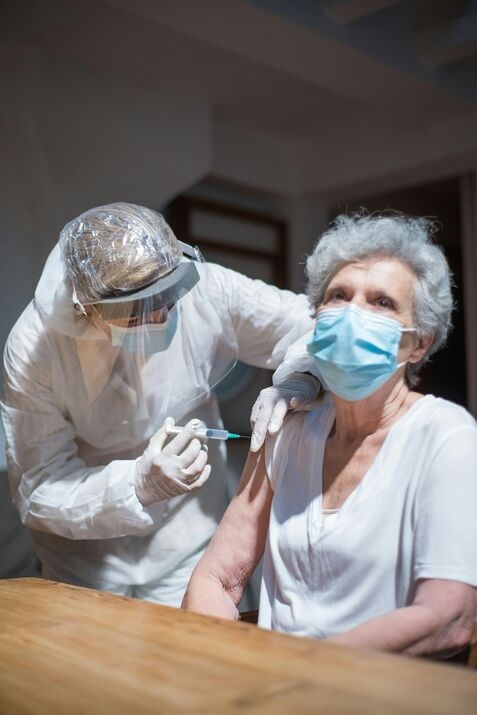
Vaccines, Antimicrobial Resistance, and Emerging Infectious Diseases: Protecting Global Health.
AMR arises when microorganisms evolve mechanisms to withstand antimicrobial treatments, rendering standard therapies ineffective and leading to persistent infections. The misuse and overuse of antibiotics are primary drivers of this phenomenon. Vaccination addresses AMR through several mechanisms:
- Prevention of Infections: By immunizing populations against specific pathogens, vaccines reduce the incidence of infections, leading to decreased antibiotic prescriptions and usage. For instance, immunization against influenza has been shown to reduce the prescription of antibiotics, as it prevents secondary bacterial infections that often follow viral illnesses.
The Guardian - Reduction of Transmission: Vaccinated individuals are less likely to transmit infectious agents, thereby decreasing the spread of both susceptible and resistant strains within communities.
- Targeting Resistant Pathogens: The development of vaccines against drug-resistant bacteria, such as Klebsiella pneumoniae, is underway. These vaccines aim to provide immunity against strains that are difficult to treat with existing antibiotics.
Wikipedia
A 2024 report by the World Health Organization (WHO) emphasizes the significant role vaccines play in combating AMR. The report suggests that optimizing the use of existing vaccines and developing new ones could substantially reduce the emergence and spread of resistant strains.
Emerging Infectious Diseases and Vaccine Development
The advent of new infectious diseases poses continuous challenges to public health. Vaccines are essential tools in responding to these emerging threats:
- Rapid Response to Outbreaks: The COVID-19 pandemic underscored the necessity for swift vaccine development and deployment. Advancements in vaccine technology, such as mRNA platforms, have demonstrated the potential for accelerated responses to emerging pathogens.
- Preemptive Vaccine Development: Proactive research into potential zoonotic pathogens—those that can transfer from animals to humans—is crucial. For example, efforts are underway to develop vaccines against avian influenza strains with pandemic potential.
Time - Global Surveillance and Collaboration: Monitoring emerging infectious diseases through global surveillance systems enables early detection and facilitates collaborative vaccine research and distribution efforts.
Challenges and Future Directions
While vaccines are indispensable in the fight against AMR and emerging diseases, several challenges persist:
- Economic and Regulatory Hurdles: The development of vaccines, especially for pathogens with limited commercial markets, often faces financial and regulatory obstacles. Initiatives like the Combating Antibiotic-Resistant Bacteria Biopharmaceutical Accelerator (CARB-X) aim to support early-stage development of antibacterial vaccines and therapies.
Wikipedia - Public Acceptance: Vaccine hesitancy can impede immunization efforts. Public health campaigns must address misconceptions and educate communities about the benefits and safety of vaccines.
- Research and Development: Continuous investment in research is necessary to keep pace with evolving pathogens. This includes exploring novel vaccine platforms and adjuvants to enhance immune responses.
In conclusion, vaccines are a cornerstone in the prevention of infectious diseases and the mitigation of antimicrobial resistance. Strengthening vaccine infrastructure, fostering global collaboration, and investing in research are imperative steps toward safeguarding public health against current and future microbial threats.
Global Efforts Intensify to Combat Antimicrobial Resistance and Emerging Diseases
https://www.babacares.com.131-153-147-50.cpanel.site/blog-details?details=325&title=Vaccines%2C+Antimicrobial+Resistance%2C+and+Emerging+Infectious+Diseases%3A+Protecting+Global+Health.







Comments