

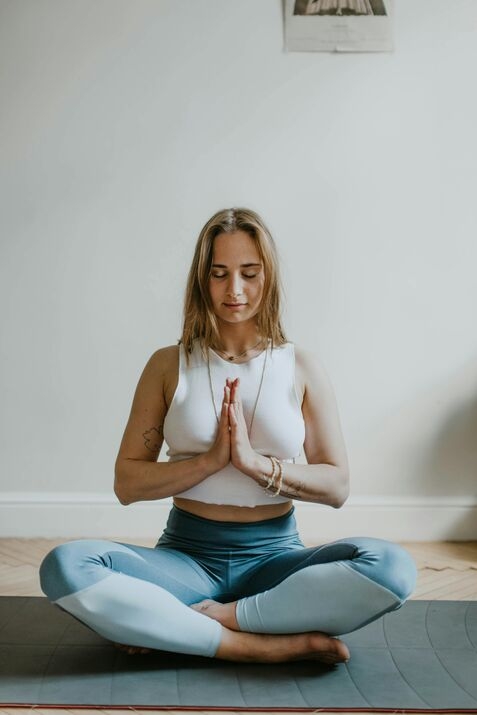
10 Proven Techniques to Reduce Anxiety and Improve Mental Health.
Effectively managing anxiety is crucial for maintaining overall mental well-being. Here are ten evidence-based strategies to help reduce anxiety:
1. Practice Mindfulness Meditation
Engaging in mindfulness meditation can help individuals focus on the present moment, reducing anxiety and promoting relaxation. Studies have shown that mindfulness-based interventions can effectively alleviate symptoms of anxiety and stress.
2. Engage in Regular Physical Activity
Regular exercise has been shown to alleviate symptoms of anxiety by releasing endorphins and improving mood. Physical activity can serve as a natural stress reliever and enhance overall mental health.
3. Maintain a Healthy Diet
Consuming a balanced diet rich in fruits, vegetables, and lean proteins supports brain health and can reduce anxiety levels. Proper nutrition provides the necessary nutrients to combat stress and maintain emotional balance.
4. Prioritize Sleep
Adequate sleep is essential for emotional regulation; establishing a regular sleep schedule can help manage anxiety. Lack of sleep can exacerbate anxiety symptoms, making it important to maintain good sleep hygiene.
5. Limit Caffeine and Alcohol Intake
Reducing consumption of caffeine and alcohol, which can exacerbate anxiety symptoms, is advisable. These substances can interfere with sleep and increase feelings of nervousness.
6. Practice Deep Breathing Exercises
Deep breathing techniques can activate the body's relaxation response, helping to reduce anxiety. Practices such as diaphragmatic breathing can calm the nervous system and promote a sense of calm.
7. Challenge Negative Thoughts
Cognitive-behavioral strategies involve identifying and reframing negative thought patterns to alleviate anxiety. This approach helps individuals develop healthier thinking habits and reduce irrational fears.
Advanced Therapeutic Solutions
8. Set Realistic Goals
Breaking tasks into manageable steps and setting achievable goals can prevent feelings of being overwhelmed. This strategy promotes a sense of accomplishment and reduces stress.
9. Connect with Supportive People
Building a strong support network provides emotional assistance and can help reduce feelings of anxiety. Sharing concerns with trusted friends or family members can offer relief and perspective.
10. Seek Professional Help When Needed
If anxiety becomes unmanageable, consulting a mental health professional is recommended. Therapies such as cognitive-behavioral therapy (CBT) have been proven effective in treating anxiety disorders.
Incorporating these strategies into daily life can significantly reduce anxiety and enhance mental health.
https://www.babacares.com.131-153-147-50.cpanel.site/blog-details?details=308&title=10+Proven+Techniques+to+Reduce+Anxiety+and+Improve+Mental+Health.








Comments