

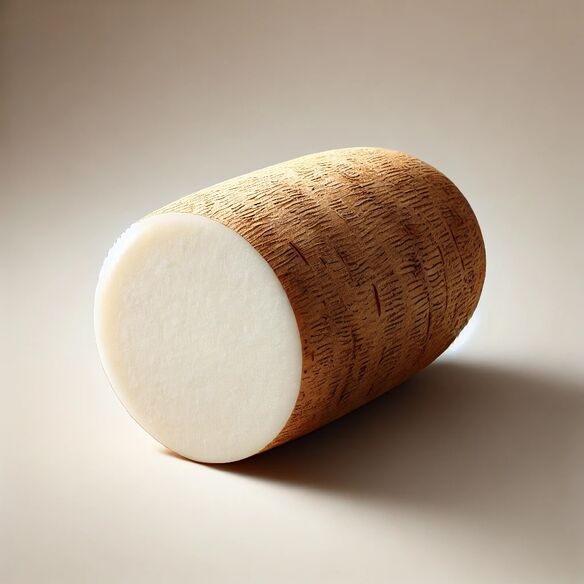
Why You Should Cook Yam with the Skin On – A Forgotten Traditional Secret.
Growing up, many of us watched our mothers cook yam and plantain without peeling off the skin first. It was a simple but effective method, and as it turns out, there was a lot of wisdom behind it.
The Hidden Nutritional Power of Yam Peels
Yam is naturally high in carbohydrates and starch, which can cause a spike in blood sugar levels when consumed. However, cooking yam with the skin on changes the game entirely. The peel contains essential nutrients such as proteins, Vitamin B Complex, and soluble fiber—key elements that help balance blood sugar levels. The soluble fiber in the peel absorbs excess sugar from the yam, making it a healthier choice, especially for those watching their sugar intake.
Nature’s Evidence: Why Goats Prefer Yam Peels
Ever noticed how goats instinctively go for yam peels instead of the yam itself? That’s because they recognize that the peels are richer in micronutrients. If you ever doubt this, try an experiment: place yam peels on one side and peeled yam on the other, and watch which one the goat rushes to eat first!
A Simple Change for a Healthier Diet
By adopting this age-old method of cooking, you can naturally improve the nutritional value of your meals. Instead of discarding the most nutrient-dense part of the yam, keep the peel intact while cooking. The same principle applies to potatoes, which also contain valuable nutrients in their skins.
So, the next time you cook yam, remember this simple traditional wisdom—your body will thank you for it!
Here are some references you can look into:
- Nutritional Benefits of Yam Peels
-
- Ekpe, G.E., & Ottong, E. (2021). Nutritional Composition of Yam Peel and Its Potential Health Benefits. International Journal of Food Science and Nutrition.
- Otegbayo, B.O., Asiedu, R., & Bokanga, M. (2011). Nutrient Composition and Glycemic Index of Some Yam Cultivars in Nigeria. African Journal of Food Science.
- Soluble Fiber and Blood Sugar Regulation
-
- Harvard T.H. Chan School of Public Health. Fiber and Health Benefits. Link
- Slavin, J.L. (2005). Dietary Fiber and Satiety – Food Components and Weight Management. Nutrition Bulletin.
- Vitamin B Complex and Its Role in Nutrition
-
- National Institutes of Health (NIH). Vitamin B Complex Fact Sheet. Link
- University of Rochester Medical Center. The Importance of B Vitamins for Energy and Metabolism.
- Traditional Cooking Methods and Their Benefits
-
- Ekanem, A.M. (2019). Indigenous Food Processing Techniques and Their Nutritional Impact. Journal of Ethnobotany and Food Science.
https://www.babacares.com.131-153-147-50.cpanel.site/blog-details?details=301&title=Why+You+Should+Cook+Yam+with+the+Skin+On+%E2%80%93+A+Forgotten+Traditional+Secret.










Comments