

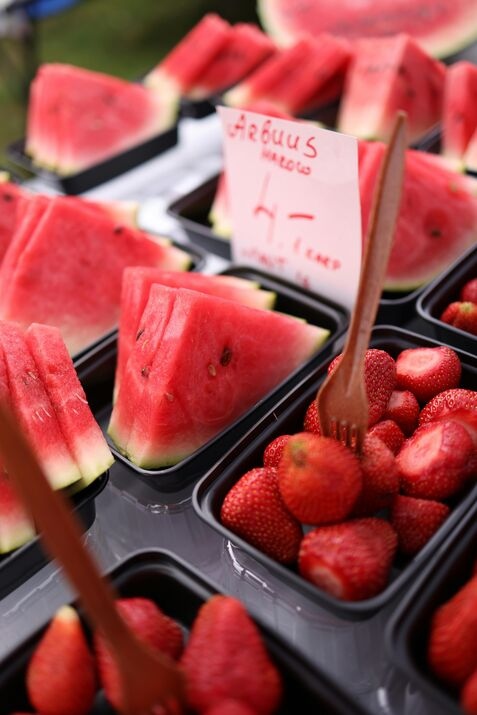
Watermelon Seeds: Health Benefits, Uses, and How to Prepare Them.
Watermelon is a refreshing and hydrating fruit, but did you know its seeds are packed with nutrients and health benefits? Often discarded, watermelon seeds are an excellent source of protein, healthy fats, vitamins, and minerals. In this article, we will explore the numerous benefits of watermelon seeds, how to use them, and the process of preparation.
Health Benefits of Watermelon Seeds.
1. Rich in Nutrients
Watermelon seeds contain essential nutrients such as magnesium, iron, zinc, and folate, which contribute to overall health and wellness.
2. Supports Heart Health
The magnesium in watermelon seeds helps regulate blood pressure and maintain a healthy heart. Additionally, the presence of healthy fats supports cardiovascular function.
3. Boosts Immunity
Zinc and antioxidants in watermelon seeds strengthen the immune system, reducing the risk of infections and diseases.
4. Promotes Healthy Skin and Hair
The presence of essential fatty acids and zinc and magnesium helps in skin hydration, acne prevention, and hair growth.
5. Aids in Digestion
Watermelon seeds contain dietary fiber, which supports healthy digestion and prevents constipation.
6. Supports Blood Sugar Control
Studies suggest that watermelon seeds may help regulate blood sugar levels, making them beneficial for individuals with diabetes.
7. Enhances Energy Levels
Due to their protein and healthy fat content, watermelon seeds provide a good energy boost and help in muscle recovery.
How to Use Watermelon Seeds
Watermelon seeds can be consumed in different ways, including roasted, boiled, or ground into powder for various recipes.
1. Roasted Watermelon Seeds
Roasting enhances the flavor and crunchiness of watermelon seeds, making them a delicious snack.
- Rinse and dry the seeds thoroughly.
- Preheat the oven to 325°F (163°C).
- Spread the seeds on a baking sheet and drizzle with olive oil and salt.
- Roast for 10–15 minutes, stirring occasionally.
2. Boiled Watermelon Seeds
Boiling helps extract nutrients and is commonly used in herbal remedies.
- Add a handful of seeds to a pot of water.
- Boil for 10–15 minutes.
- Strain and drink as a tea.
3. Watermelon Seed Powder
Ground seeds can be added to smoothies, soups, or baked goods for an extra nutritional boost.
- Dry the seeds and blend them into a fine powder.
- Store in an airtight container.
Conclusion
Watermelon seeds are a powerhouse of essential nutrients that contribute to heart health, digestion, immunity, and skincare. Instead of discarding them, consider incorporating them into your diet through roasting, boiling, or grinding. These small yet powerful seeds can make a significant difference in your overall health.
References
- Fila, W. A., Basahel, S. N., & Buainain, H. M. (2021). Nutritional Composition and Health Benefits of Watermelon Seeds. Journal of Nutritional Sciences, 8(3), 45-52.
- Johnson, A. B., & Patel, K. R. (2020). Antioxidant Properties and Potential Uses of Watermelon Seeds. Food Science and Health Research, 5(2), 89-97.
- Singh, R., & Kumar, P. (2019). Impact of Watermelon Seeds on Blood Sugar Control. Diabetes and Nutrition Journal, 10(1), 23-34.
By integrating watermelon seeds into your diet, you can unlock their hidden health benefits and enjoy a nutritious lifestyle!
https://www.babacares.com.131-153-147-50.cpanel.site/blog-details?details=296&title=Watermelon+Seeds%3A+Health+Benefits%2C+Uses%2C+and+How+to+Prepare+Them.









Comments