

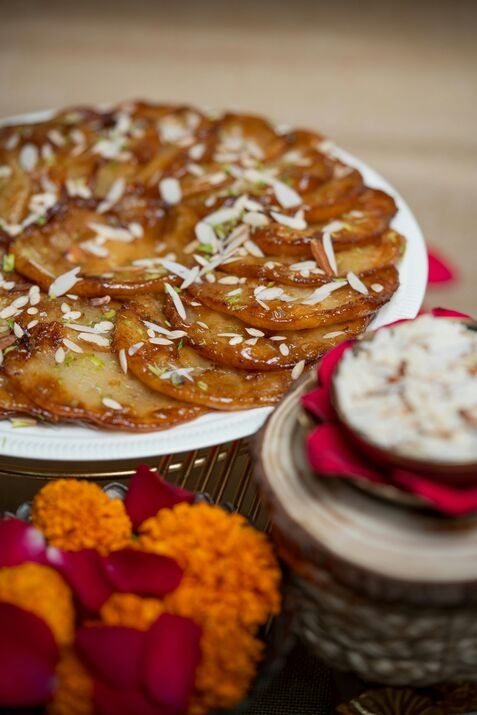
The Staple Food of India: A Culinary Journey Through Tradition and Taste.
India is a land of diverse cultures, traditions, and cuisines. From the northern plains to the southern coasts, each region boasts a distinct palate influenced by geography, climate, and history. Despite this variety, certain staple foods form the backbone of Indian cuisine, serving as the primary source of sustenance for millions.
Rice: The Heart of Indian Cuisine
Rice is a staple food consumed across India, particularly in southern and eastern states such as West Bengal, Odisha, Andhra Pradesh, and Tamil Nadu. India is one of the largest producers and consumers of rice, with numerous varieties like Basmati, Sona Masuri, and Ponni rice being widely cultivated. Rice-based dishes such as biryanis, pulao, idli, dosa, and khichdi are integral to Indian diets.
According to the Food and Agriculture Organization (FAO), rice accounts for nearly 40% of total food grain production in India, making it the most widely consumed staple in the country (FAO, 2021).
Wheat: The Staple of Northern India
In contrast to the rice-eating regions, wheat is the primary staple in northern and central India, particularly in Punjab, Haryana, Uttar Pradesh, and Madhya Pradesh. Wheat flour is used to make chapati (roti), paratha, puri, and naan, which form an essential part of daily meals.
The Indian Ministry of Agriculture reports that wheat contributes to over 35% of total cereal consumption in India, making it a crucial component of the country's food security strategy (Ministry of Agriculture, 2022).
Pulses: The Protein Powerhouse
Pulses such as lentils (dal), chickpeas, black gram, and pigeon peas are essential for their high protein content, making them a dietary staple for vegetarians. Dal dishes, including toor dal, moong dal, and chana dal, are cooked in various ways, offering both nutrition and flavor.
The Indian Council of Agricultural Research (ICAR) states that India is the largest producer and consumer of pulses globally, with an annual production exceeding 23 million tons (ICAR, 2023).
Millets: The Ancient Superfood
Millets such as ragi, jowar, bajra, and foxtail millet have been consumed in India for centuries. Once considered a poor man’s food, millets are now gaining global recognition for their high fiber content, essential nutrients, and drought-resistant properties. The Indian government has been actively promoting millets under the National Food Security Mission (NFSM) to ensure sustainable agricultural practices (NFSM, 2023).
Dairy and Spices: The Flavor Enhancers
Dairy products such as milk, curd (yogurt), ghee, and paneer are integral to Indian cuisine. These not only provide essential nutrients but also enhance the flavor of numerous dishes. Additionally, spices like turmeric, cumin, coriander, mustard seeds, and cardamom contribute to the rich, aromatic profile of Indian food.
Conclusion
The staple foods of India, including rice, wheat, pulses, millets, and dairy, form the foundation of its rich culinary heritage. These ingredients not only offer nourishment but also represent the cultural and geographical diversity of the country. As India continues to evolve, its traditional staples remain an essential part of everyday life, bringing people together through the joy of food.
References
- Food and Agriculture Organization (FAO). (2021). India’s Rice Production Report. www.fao.org
- Ministry of Agriculture, Government of India. (2022). Wheat Production and Consumption in India. www.agricoop.nic.in
- Indian Council of Agricultural Research (ICAR). (2023). Pulses: A Nutritional Overview. www.icar.org.in
- National Food Security Mission (NFSM). (2023). The Rise of Millets in India. www.nfsm.gov.in
https://www.babacares.com.131-153-147-50.cpanel.site/blog-details?details=292&title=The+Staple+Food+of+India%3A+A+Culinary+Journey+Through+Tradition+and+Taste.








Comments