

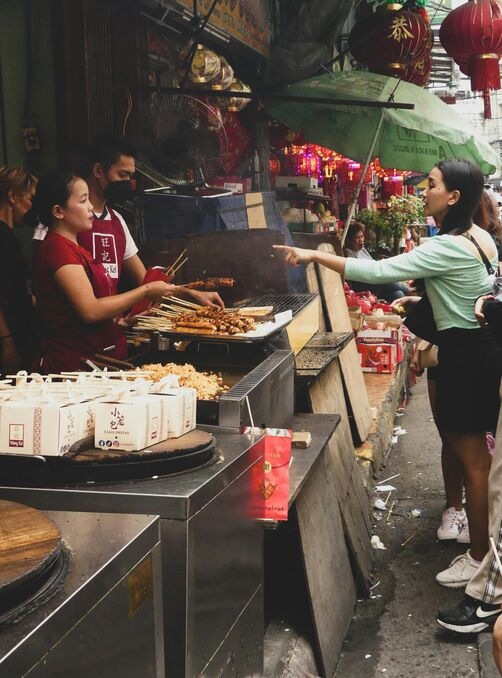
A Journey Through the Street Foods of China: Flavors from Every Corner.
China is a culinary powerhouse, known for its diverse and rich food culture. While most of the world is familiar with Chinese cuisine through restaurant staples like sweet and sour chicken or dumplings, the heart and soul of Chinese food often lie in the street food culture. From the alleys of Beijing to the vibrant markets of Shanghai, China’s street foods offer a window into its regional variations and everyday life. This article delves into some of China’s most iconic street foods, highlighting their origins, preparation, and enduring popularity.
1. Jianbing (Chinese Crepes)
Jianbing, often referred to as Chinese crepes, is one of China’s most beloved street foods. Typically eaten for breakfast, this savory snack is made by spreading a thin batter onto a hot griddle, then adding a fried egg, crispy wonton crackers, herbs, and a drizzle of soy sauce or hoisin sauce. The end result is a warm, crispy, and flavorful treat that is perfect for an on-the-go meal.
Jianbing originated in northern China and has become a popular snack across the country, particularly in cities like Beijing. It’s often enjoyed with a hot cup of soy milk and is widely sold by street vendors early in the morning.
Reference: Lieu, T. (2021). Jianbing: A Quick, Tasty, and Nutritious Chinese Breakfast. The Beijing Review.
2. Chuan (Chinese Skewers)
Chuan, or Chinese skewers, is a favorite in many cities, especially during the summer months when night markets are in full swing. Chuan can consist of various meats, including lamb, chicken, or beef, seasoned with cumin, chili powder, and salt, then grilled over an open flame. The skewers are served with a generous sprinkle of chili flakes and other spices, making them both aromatic and fiery.
Originally from Xinjiang province, Chuan is a reflection of the region’s Islamic culinary influences. In recent years, it has gained nationwide popularity, with street vendors offering skewers that range from mild to intensely spicy.
Reference: Peng, Y. (2020). Chuan: The Skewered Delicacies of Xinjiang. China National Tourism Administration.
3. Baozi (Steamed Buns)
Baozi, or Chinese steamed buns, are a staple of Chinese street food culture, with fillings ranging from savory to sweet. These fluffy, doughy buns are typically filled with pork, beef, vegetables, or even sweet red bean paste. Steamed to perfection, Baozi are often served hot, making them a comforting and portable meal.
These buns are ubiquitous in street markets throughout China, from the streets of Xi’an to the markets of Chengdu. Baozi is a versatile food, with variations based on region, filling, and cooking method.
Reference: Luo, Q. (2022). The History and Variations of Baozi in Chinese Cuisine. Shanghai Culinary Journal.
4. Tanghulu (Candied Fruit Skewers)
Tanghulu, or candied fruit skewers, are a favorite Chinese street snack, particularly popular during winter festivals. The dish consists of fruits like hawthorn berries or strawberries, which are skewered and coated in a hard sugar syrup. The result is a glossy, sweet-and-sour treat with a satisfying crunch.
Traditionally, Tanghulu was a street snack in Beijing, but its popularity has spread across China. It’s a nostalgic treat for many Chinese people and remains a common sight at Chinese New Year celebrations and winter night markets.
Reference: Wang, Z. (2023). Tanghulu: The Sweet Street Snack of Beijing. Beijing Food & Culture.
5. Xiaolongbao (Soup Dumplings)
Xiaolongbao, or soup dumplings, are a unique culinary creation that has made its mark in Chinese street food culture. These dumplings are filled with a savory broth and meat (usually pork) wrapped in a thin, delicate dough. When steamed, the broth inside the dumpling turns into a savory, piping hot soup. To eat, they are carefully lifted with chopsticks, and a small hole is poked to let the steam escape before biting into the tender dumpling.
Though Xiaolongbao originated in the Jiangnan region, particularly in Shanghai and Jiangsu, they have become an iconic snack across China and are available in many street food markets. It requires a bit of skill to enjoy them without burning your mouth on the hot broth, making them a fun and challenging snack.
Reference: Sun, L. (2021). Xiaolongbao: Soup Dumplings and Their Surprising Origins. Shanghai Culinary Digest.
6. Guo Kui (Flatbread)
Guo Kui is a savory flatbread that hails from the northern regions of China, particularly from Hebei and Shaanxi provinces. It is made from a dough stuffed with a variety of fillings, including minced pork, lamb, or beef, and then baked until crispy. Sometimes, it’s served with a dipping sauce, making it a flavorful and hearty snack.
Guo Kui’s popularity has grown beyond the north, and it’s now found in street food stalls across the country. It is especially favored as a portable meal or snack due to its satisfying nature and convenience.
Reference: Li, H. (2021). Guo Kui: A Traditional Flatbread with a Modern Twist. China Food Magazine.
7. Lu Rou Fan (Braised Pork Rice)
Lu Rou Fan is a comforting Taiwanese dish made with slow-braised pork and served over rice. While the dish originated in Taiwan, it has become a popular street food throughout China, especially in regions like Fujian. The braised pork is rich with soy sauce, five-spice powder, and other aromatic seasonings, creating a savory, umami-packed topping for a bowl of warm rice.
Often sold from small food carts or street stalls, Lu Rou Fan is a filling and affordable street food option that is loved for its deep flavors and simplicity.
Reference: Chen, D. (2020). Lu Rou Fan: Taiwan’s Braised Pork Rice. Taiwanese Culinary Heritage Journal.
8. Stinky Tofu (Chou Doufu)
Stinky Tofu, or Chou Doufu, is a street food that divides opinions but has earned a loyal following. As the name suggests, this tofu has a strong, pungent odor, but the taste is surprisingly mild and savory. It’s typically deep-fried, making it crispy on the outside while maintaining a soft interior. It is often served with pickled cabbage and a dipping sauce.
Though controversial due to its strong smell, Chou Doufu is loved in many parts of China, particularly in Taipei and Hong Kong. It's a street food that’s best experienced with an open mind—and nose!
Reference: Zhang, J. (2022). The Smell and the Taste of Stinky Tofu. Journal of Taiwanese Street Foods.
9. Zongzi (Sticky Rice Dumplings)
Zongzi are sticky rice dumplings wrapped in bamboo leaves, often filled with pork, salted eggs, or red bean paste. They are typically eaten during the Dragon Boat Festival but can be found year-round in street food stalls. The sticky rice is infused with flavors from the fillings and the bamboo leaves, creating a deliciously fragrant dish.
Zongzi has a deep cultural significance and is a beloved food throughout China, particularly in southern regions like Guangdong and Zhejiang. They are a popular street food during festivals and are often enjoyed with a hot cup of tea.
Reference: Lee, W. (2020). Zongzi: The Traditional Chinese Sticky Rice Dumpling. Cultural Heritage of China.
Conclusion: The Heart of Chinese Cuisine
China’s street food scene offers an exciting and diverse range of dishes that reflect the country’s rich history and regional flavors. From savory buns to sizzling skewers, each snack tells a story of local traditions and culinary creativity. Whether you're visiting the night markets of Beijing or strolling through the streets of Shanghai, Chinese street foods provide an authentic and immersive way to experience the country’s culinary heritage.
Exploring the street food of China is an essential part of understanding its food culture. With such a wide variety of flavors and textures, there’s no better way to discover the true taste of China than through its vibrant and flavorful street foods.
https://www.babacares.com.131-153-147-50.cpanel.site/blog-details?details=287&title=A+Journey+Through+the+Street+Foods+of+China%3A+Flavors+from+Every+Corner.







Comments