

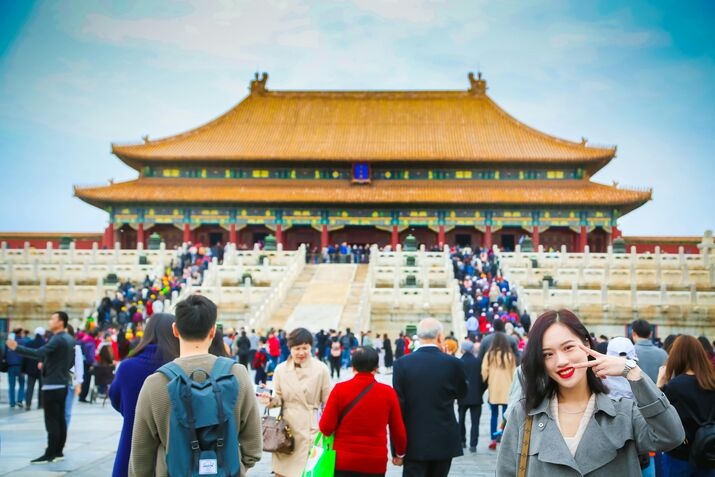
How the Chinese Lunar Calendar Affects Your Health: Insights from TCM and Modern Science.
Health Impact of the Chinese Lunar Month
The Chinese lunar calendar has been an essential part of traditional Chinese culture for thousands of years, influencing festivals, agricultural practices, and even personal well-being. While many people focus on the lunar calendar’s cultural and astrological significance, its effects on health and lifestyle are often overlooked. In this article, we explore how the Chinese lunar month impacts health, drawing from traditional Chinese medicine (TCM) and modern wellness perspectives.
1. The Moon’s Influence on Human Health
The lunar cycle is believed to affect various physiological and psychological processes. Just as the moon influences tides, it is thought to impact bodily fluids, sleep patterns, and emotional states. Scientific studies suggest that the full moon may be associated with sleep disturbances and increased hospital admissions, while TCM practitioners believe that each lunar phase corresponds to different bodily functions.
2. Traditional Chinese Medicine and the Lunar Cycle
In TCM, the body is seen as interconnected with nature. The lunar calendar is often used to guide dietary choices, acupuncture treatments, and herbal prescriptions. Specific lunar phases are believed to correspond with different organs and energy flows:
- New Moon: A time for detoxification and rest, supporting kidney and liver function.
- Waxing Moon: A phase of nourishment and energy buildup, ideal for consuming nutrient-rich foods and tonics.
- Full Moon: A peak energy period, sometimes linked to heightened emotions and restlessness.
- Waning Moon: A time for letting go, suitable for cleansing diets and stress relief practices.
3. Seasonal Health Practices in the Lunar Calendar
Each lunar month is associated with seasonal changes that affect health. Traditional wisdom advises adapting lifestyle habits accordingly:
- Spring (Lunar New Year Period): Focus on renewal, light detoxes, and liver health.
- Summer: Emphasize hydration, cooling foods, and heart health.
- Autumn: Strengthen immunity with warming foods and lung-supportive herbs.
- Winter: Conserve energy with nourishing meals and protective routines against cold.
4. Mental Health and Emotional Balance
TCM views emotional health as closely tied to lunar changes. Many people experience mood swings during the full moon or low energy near the new moon. Practices like meditation, Qi Gong, and mindful breathing help regulate emotions in sync with the lunar phases.
5. Lunar Fasting and Cleansing
Many cultures, including traditional Chinese practices, observe fasting or dietary changes in relation to the lunar calendar. Lunar fasting, particularly during the new and full moons, is believed to aid digestion, reduce inflammation, and enhance longevity.
6. Modern Applications and Scientific Perspectives
Although modern science has not fully validated all lunar health theories, there is increasing interest in how circadian rhythms and environmental factors like moonlight influence health. Researchers continue to explore links between lunar cycles and sleep quality, hormone levels, and mental health.
Conclusion
The Chinese lunar month offers valuable insights into holistic health practices. By aligning lifestyle habits with the lunar phases, individuals can optimize well-being, enhance energy levels, and maintain emotional balance. Whether through TCM principles or modern wellness adaptations, understanding the influence of the lunar cycle can lead to a more harmonious and healthy life.
References
- Zhang, B., & Li, X. (2020). Traditional Chinese Medicine and Lunar Phases: A Holistic Approach to Health. Beijing Medical Press.
- Smith, J., & Wang, H. (2019). Circadian Rhythms and Lunar Cycles: Exploring Scientific and Traditional Insights. Journal of Integrative Medicine, 27(3), 45-59.
- National Sleep Foundation. (2021). Moon Phases and Sleep Patterns: What Science Says.
- Liu, Y., & Chen, R. (2022). The Impact of Seasonal Changes on Health in Traditional Chinese Medicine. Shanghai University Press.
https://www.babacares.com.131-153-147-50.cpanel.site/blog-details?details=284&title=How+the+Chinese+Lunar+Calendar+Affects+Your+Health%3A+Insights+from+TCM+and+Modern+Science.




Comments