

Endometriosis: Symptoms, Diagnosis, and Effective Treatment Options.
Endometriosis is a chronic condition that affects millions of people worldwide, predominantly women of reproductive age. Despite its prevalence, it remains underdiagnosed and misunderstood. This article explores the symptoms, diagnostic methods, and treatment options for endometriosis to provide a comprehensive understanding of the condition.
What is Endometriosis?
Endometriosis occurs when tissue similar to the lining of the uterus (endometrium) grows outside the uterus. These growths, called endometrial implants, are often found on the ovaries, fallopian tubes, and pelvic lining but can appear in other parts of the body. These implants respond to hormonal changes, causing inflammation, pain, and sometimes scar tissue.
Symptoms of Endometriosis
Symptoms of endometriosis can vary significantly among individuals. Common signs include:
- Pelvic Pain: Chronic pelvic pain, particularly during menstruation, is the hallmark symptom of endometriosis. This pain may also occur during ovulation.
- Painful Periods (Dysmenorrhea): Intense cramps that do not respond well to over-the-counter pain medications.
- Pain During Intercourse: Discomfort or pain during or after sexual activity.
- Infertility: Endometriosis is a leading cause of infertility in women, as it can affect ovulation or damage reproductive organs.
- Digestive Issues: Symptoms such as diarrhea, constipation, bloating, or nausea, particularly during menstruation.
- Fatigue and Mood Changes: Chronic fatigue and mood swings are also commonly reported.
Diagnosing Endometriosis
Diagnosing endometriosis can be challenging because its symptoms overlap with other conditions such as irritable bowel syndrome (IBS) or pelvic inflammatory disease (PID). The following steps are typically involved in the diagnostic process:
- Medical History: A detailed discussion of symptoms, menstrual cycles, and family history of endometriosis.
- Pelvic Examination: A doctor may manually check for abnormalities in the pelvic area.
- Imaging Tests: Ultrasounds and MRI scans can help identify endometrial implants or cysts (endometriomas).
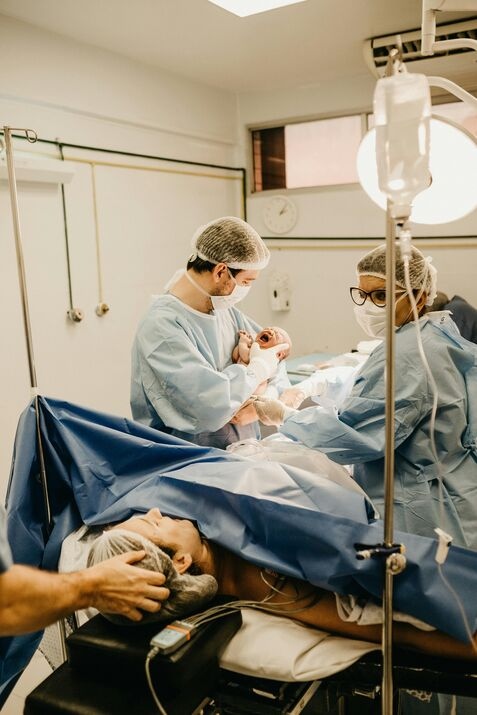
- Laparoscopy: This minimally invasive surgical procedure allows a doctor to view the pelvic organs directly and confirm the presence of endometrial tissue. It is considered the gold standard for diagnosis.
Treatment Options for Endometriosis
Treatment for endometriosis depends on the severity of symptoms, the extent of the condition, and the individual’s goals, such as pain relief or improving fertility. Common treatment approaches include:
1. Medications
- Pain Relief: Nonsteroidal anti-inflammatory drugs (NSAIDs) like ibuprofen can help manage mild pain.
- Hormonal Therapy: Hormonal treatments such as birth control pills, progestin therapy, or gonadotropin-releasing hormone (GnRH) agonists reduce or stop menstruation, alleviating symptoms.
2. Surgical Options
- Laparoscopic Surgery: This procedure removes endometrial implants and scar tissue, offering significant relief for many patients.
- Hysterectomy: In severe cases, removing the uterus and possibly the ovaries may be considered, but this is typically a last resort.
3. Lifestyle and Alternative Therapies
- Dietary Changes: Some patients find relief through anti-inflammatory diets.
- Physical Therapy: Specialized exercises and pelvic floor therapy can reduce pain.
- Acupuncture and Yoga: Complementary therapies may also provide symptom relief for some individuals.
4. Fertility Treatments
For individuals facing infertility, in vitro fertilization (IVF) and other assisted reproductive technologies can improve the chances of conception.
Living with Endometriosis
While there is no cure for endometriosis, many people successfully manage their symptoms through a combination of medical treatments and lifestyle adjustments. Early diagnosis and a tailored treatment plan are key to improving quality of life.
Final Thoughts
Endometriosis is a complex condition that requires awareness and individualized care. If you suspect you have endometriosis, consult a healthcare provider to explore your symptoms and treatment options. By seeking help early, you can take control of your health and minimize the impact of this challenging condition.
References:
- American College of Obstetricians and Gynecologists (ACOG) - Endometriosis Overview
- Mayo Clinic - Endometriosis: Symptoms and Causes.
https://www.babacares.com.131-153-147-50.cpanel.site/blog-details?details=283&title=Endometriosis%3A+Symptoms%2C+Diagnosis%2C+and+Effective+Treatment+Options.%C2%A0










Comments