

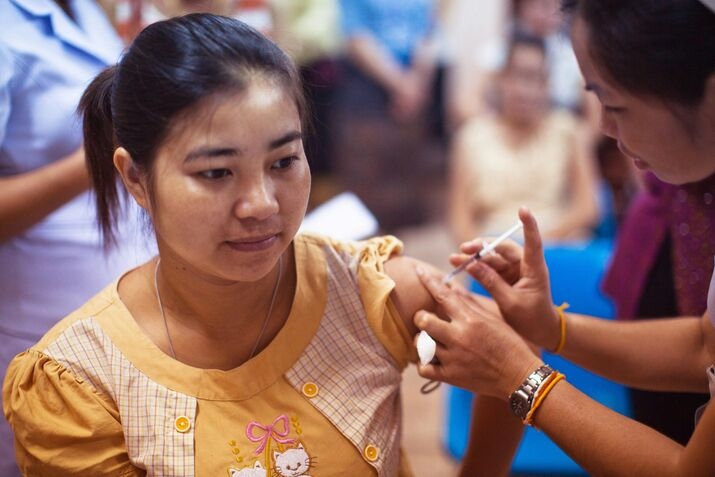
Vaccinations Every Woman Should Consider.
Vaccination is a critical aspect of preventive health care, protecting against a range of diseases that can have long-term consequences for women’s health. While most people are familiar with childhood vaccinations, there are several key vaccines that adult women should consider to maintain their health and well-being throughout their lives. This article outlines the most important vaccines for women, including those recommended at various stages of life.
1. Human Papillomavirus (HPV) Vaccine
The HPV vaccine is recommended for both girls and boys but is particularly important for women as it helps prevent cervical cancer, one of the most common cancers in women worldwide. HPV also contributes to other cancers, including vaginal, vulvar, and anal cancer.
- Who should get it: Women under the age of 26, although the vaccine can be given up to age 45 based on a healthcare provider's recommendation.
- Why it’s important: It protects against the strains of HPV that cause the majority of cervical cancers and genital warts.
Reference: Centers for Disease Control and Prevention (CDC). HPV Vaccination
2. Influenza (Flu) Vaccine
The flu vaccine is recommended annually for all women, particularly those who are pregnant, have chronic health conditions, or are at higher risk for complications from the flu.
- Who should get it: All women, especially those who are pregnant or have underlying conditions like asthma, diabetes, or heart disease.
- Why it’s important: The flu vaccine reduces the risk of severe flu-related complications, including hospitalization and death. It is especially important for pregnant women as the flu can lead to severe illness and complications during pregnancy.
Reference: CDC. Flu Vaccine for Women
3. Tetanus, Diphtheria, and Pertussis (Tdap) Vaccine
The Tdap vaccine protects against three serious bacterial diseases: tetanus, diphtheria, and pertussis (whooping cough). Tetanus can cause painful muscle stiffness, diphtheria can lead to breathing problems, and pertussis is especially dangerous for infants.
- Who should get it: All women should receive the Tdap vaccine during each pregnancy (preferably during the 27th through 36th week of pregnancy) to protect their newborns from pertussis.
- Why it’s important: Pertussis is particularly dangerous for infants who are too young to be vaccinated themselves. The Tdap vaccine during pregnancy provides antibodies to the baby.
Reference: American College of Obstetricians and Gynecologists (ACOG). Vaccination During Pregnancy
4. Measles, Mumps, and Rubella (MMR) Vaccine
Measles, mumps, and rubella (MMR) are viral infections that can lead to serious complications, including infertility, birth defects, and even death. The MMR vaccine is particularly important for women of childbearing age.
- Who should get it: Women who have not been vaccinated or who are unsure of their vaccination status. Women planning to become pregnant should receive the MMR vaccine at least one month before conception.
- Why it’s important: Rubella infection during pregnancy can cause serious birth defects, such as deafness, blindness, and heart problems in the baby.
Reference: CDC. MMR Vaccination
5. Pneumococcal Vaccine
Pneumococcal disease is caused by bacteria that can lead to pneumonia, meningitis, and bloodstream infections. While more common in older adults, younger women with chronic conditions (such as asthma or diabetes) should also consider this vaccine.
- Who should get it: Women aged 65 and older and those under 65 who have certain chronic health conditions.
- Why it’s important: Pneumococcal disease can lead to severe illness and complications, including hospitalization and death, especially in women with weakened immune systems.
Reference: CDC. Pneumococcal Vaccination
6. Hepatitis B Vaccine
Hepatitis B is a viral infection that affects the liver, leading to cirrhosis and liver cancer. It is spread through contact with blood or bodily fluids, which makes it particularly important for women in high-risk categories, such as healthcare workers or those who inject drugs.
- Who should get it: All women who are at risk, including those who are pregnant, healthcare workers, or those who have multiple sexual partners.
- Why it’s important: Hepatitis B can lead to chronic liver disease, cirrhosis, and liver cancer if left untreated. The vaccine is highly effective in preventing infection.
Reference: CDC. Hepatitis B Vaccination
7. Shingles Vaccine
Shingles, caused by the reactivation of the chickenpox virus, cause a painful rash and can lead to long-lasting nerve pain (postherpetic neuralgia). It is particularly common in older adults.
- Who should get it: Women aged 50 and older, even if they’ve had chickenpox in the past.
- Why it’s important: The shingles vaccine reduces the risk of developing shingles and its associated complications.
Reference: CDC. Shingles Vaccination
8. COVID-19 Vaccine
The COVID-19 vaccine has become a cornerstone of public health measures to control the spread of the virus. It is especially important for women who are pregnant or planning pregnancy.
- Who should get it: All women, particularly pregnant women, those planning pregnancy, or breastfeeding.
- Why it’s important: The COVID-19 vaccine prevents severe illness, hospitalization, and death from COVID-19. It also protects vulnerable populations and helps prevent the spread of the virus.
Reference: CDC. COVID-19 Vaccination
Conclusion
Vaccinations are one of the most effective ways to protect against serious diseases and maintain health. By staying up-to-date with recommended vaccines, women can protect themselves, their families, and their communities. Consult with a healthcare provider to ensure you are on track with the appropriate vaccinations for your age, lifestyle, and health status.
References
- Centers for Disease Control and Prevention (CDC). HPV Vaccination
- CDC. Flu Vaccine for Women
https://www.babacares.com.131-153-147-50.cpanel.site/blog-details?details=272&title=Vaccinations+Every+Woman+Should+Consider.







Comments