

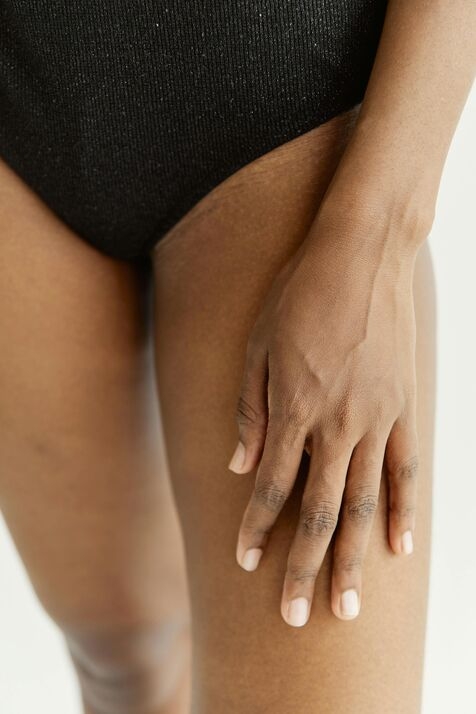
Pain in Upper Thigh: 9 Symptoms, Causes, and Treatments.
Introduction
Pain in the upper thigh is a common complaint that can be caused by a variety of factors, ranging from simple muscle strain to more serious conditions such as nerve damage or bone fractures. Understanding the underlying causes of upper thigh pain, along with recognizing the symptoms, can help individuals manage and treat the condition effectively. This article will explore the common symptoms of upper thigh pain, its possible causes, and treatments to alleviate discomfort.
1. Muscle Strain
Symptoms:
- Sudden sharp pain in the upper thigh after physical activity.
- Swelling or bruising near the thigh area.
- Limited range of motion or difficulty stretching the leg.
Cause:
A muscle strain occurs when the muscles in the upper thigh are stretched or torn, usually during intense physical activity like running, jumping, or heavy lifting.
Treatment:
Resting the affected leg, applying ice to reduce inflammation, and using over-the-counter pain relievers such as ibuprofen can help relieve symptoms. Physical therapy and gradual stretching exercises may be recommended for recovery.
2. Hip Flexor Injury
Symptoms:
- Pain in the front of the thigh that worsens with activities like walking, running, or climbing stairs.
- Stiffness or tightness in the hip and upper thigh region.
Cause:
The hip flexors are a group of muscles that connect the thigh to the pelvis. Overuse or sudden movements can cause strain or injury to these muscles.
Treatment:
Rest, ice, and anti-inflammatory medications are typically recommended for pain relief. Stretching and strengthening exercises for the hip flexors can help prevent future injuries.
3. Sciatica
Symptoms:
- Pain radiates from the lower back down to the thigh and sometimes into the leg or foot.
- Numbness, tingling, or weakness in the leg.
Cause:
Sciatica occurs when the sciatic nerve, which runs from the lower back to the thighs, becomes compressed or irritated, often due to herniated discs or spinal stenosis.
Treatment:
Physical therapy, stretching exercises, and nonsteroidal anti-inflammatory drugs (NSAIDs) are commonly used to treat sciatica. In severe cases, corticosteroid injections or surgery may be needed.
4. Groin Strain
Symptoms:
- Pain or tenderness in the inner thigh near the groin.
- Difficulty walking or performing movements that require leg rotation.
Cause:
A groin strain involves injury to the muscles of the inner thigh. This can occur from sudden movements like twisting, kicking, or lifting heavy objects.
Treatment:
Resting the groin muscles, applying ice, and avoiding activities that aggravate the pain are essential. A physical therapist can provide exercises to strengthen the muscles and reduce the risk of future injury.
5. Thigh Contusion (Bruise)
Symptoms:
- A visible bruise or discoloration on the upper thigh.
- Swelling and tenderness in the area of the injury.
Cause:
A contusion or bruise occurs when the thigh is struck by a force, such as during sports or an accident.
Treatment:
Rest and ice therapy are typically effective in managing a contusion. Compression wraps and elevation may help reduce swelling. Severe bruises may require medical attention to rule out deeper tissue damage.
6. Femoral Nerve Compression
Symptoms:
- Sharp or shooting pain in the front of the thigh.
- Weakness in the hip or knee, making it difficult to move or support weight.
Cause:
Femoral nerve compression can occur due to conditions such as herniated discs, pelvic injuries, or prolonged pressure on the hip area.
Treatment:
Treatment options include physical therapy, pain medications, and in some cases, surgery to alleviate pressure on the femoral nerve.
7. Osteoarthritis of the Hip
Symptoms:
- Pain in the hip that radiates into the upper thigh or groin.
- Stiffness and reduced range of motion in the hip joint.
Cause:
Osteoarthritis of the hip occurs when the cartilage in the hip joint wears down over time, leading to pain and inflammation that can extend to the upper thigh.
Treatment:
Non-surgical treatments such as physical therapy, weight management, and pain relief medications are commonly used. In more severe cases, hip replacement surgery may be required.
8. Deep Vein Thrombosis (DVT)
Symptoms:
- Swelling in the thigh or leg.
- Warmth and redness in the affected area.
- Pain that may increase when standing or walking.
Cause:
DVT occurs when a blood clot forms in the deep veins of the leg, which can be dangerous if the clot dislodges and travels to the lungs, causing a pulmonary embolism.
Treatment:
Immediate medical attention is required for DVT. Treatment usually involves anticoagulant medications to prevent the clot from growing and to reduce the risk of complications.
9. Iliotibial Band Syndrome (ITBS)
Symptoms:
- Pain on the outer side of the thigh, particularly during or after exercise.
- Tightness or discomfort when bending or straightening the knee.
Cause:
ITBS occurs when the iliotibial band, a thick band of tissue running along the outer thigh, becomes tight or inflamed due to repetitive motion, such as running or cycling.
Treatment:
Rest and stretching exercises for the iliotibial band can help relieve symptoms. Foam rolling and strengthening exercises for the hip and thigh muscles can prevent recurrence.
Conclusion
Pain in the upper thigh can be caused by various conditions, from muscle strains and injuries to nerve compression and arthritis. Identifying the symptoms and seeking appropriate treatment is essential to managing and relieving the discomfort. In many cases, self-care measures like rest, ice, and anti-inflammatory medications can help, but it's crucial to consult with a healthcare provider if pain persists or worsens to ensure proper diagnosis and treatment.
References
- Mayo Clinic. "Hip Flexor Injury."
- WebMD. "Sciatica."
- Healthline. "Thigh Contusions: Causes and Treatments."
- National Institute of Neurological Disorders and Stroke. "Sciatica."
- American Academy of Orthopaedic Surgeons (AAOS). "Groin Strain."
https://www.babacares.com.131-153-147-50.cpanel.site/blog-details?details=265&title=Pain+in+Upper+Thigh%3A+9+Symptoms%2C%C2%A0+%C2%A0+Causes%2C+and+Treatments.







Comments