

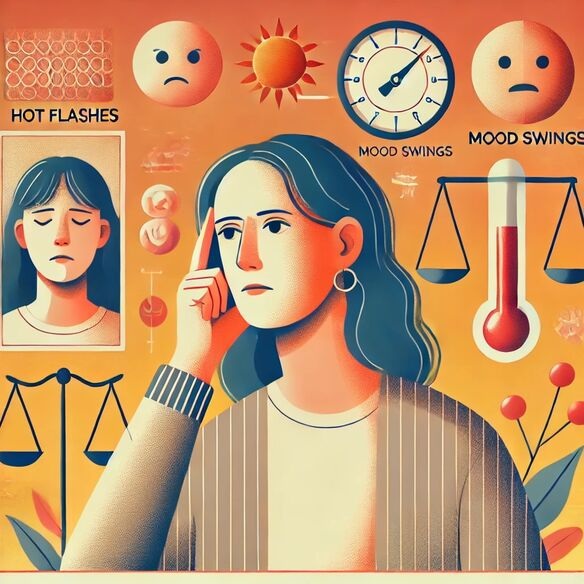
Exploring the Perimenopause and Menopause Transition: What Every Woman Should Know(Posted)
Introduction
The transition to perimenopause and menopause is a significant life event for women. These phases mark the end of a woman’s reproductive years and bring about various physical, emotional, and hormonal changes. Understanding the differences between perimenopause and menopause, as well as knowing what to expect during these transitions, can empower women to manage their health effectively and with confidence. In this article, we’ll explore what perimenopause and menopause are, their symptoms, and how to navigate these changes.
What is Perimenopause?
Perimenopause, often referred to as the "menopause transition," is the period leading up to menopause, typically occurring in a woman’s 40s but sometimes as early as the mid-30s. During perimenopause, the ovaries gradually produce less estrogen and progesterone, leading to irregular periods and a variety of physical and emotional symptoms.
Key Characteristics of Perimenopause:
- Irregular Periods: One of the hallmark signs of perimenopause is changes in the menstrual cycle. Periods may become heavier or lighter, more frequent or less frequent, and in some cases, completely irregular.
- Hormonal Fluctuations: As the ovaries start to produce less estrogen, women may experience hot flashes, night sweats, and mood swings due to changes in hormone levels.
- Physical Symptoms: Many women also experience sleep disturbances, weight gain, vaginal dryness, and changes in libido during perimenopause.
Average Duration:
Perimenopause can last anywhere from a few months to around 10 years. On average, it lasts about 4 years before menopause is reached.
What is Menopause?
Menopause is officially defined as the point in a woman’s life when she has gone 12 consecutive months without a menstrual period. Menopause typically occurs between the ages of 45 and 55, with the average age being 51 in many countries. At this stage, the ovaries stop releasing eggs and estrogen production decreases significantly, ending menstruation.
Key Characteristics of Menopause:
- No Periods for 12 Months: A woman is considered to be in menopause once she has not had a period for a full year.
- End of Reproductive Years: Menopause signifies the end of a woman’s ability to conceive naturally.
- Symptoms Continue: Many of the symptoms that started during perimenopause, such as hot flashes, mood swings, vaginal dryness, and sleep disturbances, may continue well into menopause.
Post-Menopause:
After menopause, women enter the post-menopausal stage. This phase is the time after the 12-month mark and lasts for the rest of a woman’s life. While many menopause symptoms may subside, the long-term effects of lower estrogen levels, such as an increased risk of osteoporosis and cardiovascular issues, become more prominent.
Common Symptoms of Perimenopause and Menopause
Both perimenopause and menopause come with a range of physical, emotional, and psychological symptoms. While every woman’s experience is unique, the following are the most common signs:
- 1. Hot Flashes and Night Sweats
-
- ◦Hot flashes are sudden feelings of intense heat, often accompanied by sweating. Night sweats are the nighttime counterpart of hot flashes and can disrupt sleep.
- 2. Mood Changes
-
- ◦Hormonal fluctuations can affect mood, leading to irritability, anxiety, or even depression. Many women experience mood swings during perimenopause, and some continue to have emotional changes during menopause.
- 3. Irregular Menstrual Cycles
-
- ◦As estrogen levels decline, periods may become irregular. Some women have lighter or heavier periods, while others may skip periods altogether.
- 4. Sleep Problems
-
- ◦Hot flashes and night sweats can disrupt sleep, leading to insomnia and fatigue. Sleep disturbances can also be a result of hormonal shifts and increased anxiety.
- 5. Vaginal Dryness
-
- ◦Decreased estrogen levels can cause vaginal tissues to become thinner and less lubricated, leading to discomfort during intercourse and potential urinary problems.
- 6. Weight Gain
-
- ◦Hormonal changes can affect metabolism, often leading to weight gain, particularly around the abdomen.
- 7. Memory Problems and Brain Fog
-
- ◦Many women report difficulty concentrating or experiencing “brain fog” during perimenopause and menopause, likely due to hormonal shifts affecting cognitive function.
Managing Symptoms of Perimenopause and Menopause
While the symptoms of perimenopause and menopause can be challenging, several strategies and treatments can help women manage this transition more smoothly:
- 1. Hormone Replacement Therapy (HRT)
-
- ◦HRT is a common treatment used to relieve many of the symptoms of menopause by replenishing estrogen and progesterone levels. HRT can be administered in various forms, such as pills, patches, creams, or implants. However, it’s essential to consult a healthcare provider to determine if HRT is appropriate due to its potential risks and benefits.
- 2. Lifestyle Changes
-
- ◦Exercise: Regular physical activity can help manage weight, reduce stress, improve sleep, and alleviate mood swings.
- ◦Diet: A healthy, balanced diet rich in fruits, vegetables, lean protein, and whole grains supports overall health and helps manage symptoms. Foods rich in calcium and vitamin D are particularly important for bone health as estrogen levels drop.
- ◦Stress Management: Techniques like yoga, meditation, and deep breathing exercises can help manage stress and improve mood.
- 3. Herbal Remedies and Supplements
-
- ◦Certain herbs, such as black cohosh and red clover, are often used to alleviate hot flashes and other menopausal symptoms. Supplements like vitamin E, vitamin B6, and omega-3 fatty acids may also offer relief from symptoms like mood swings and hot flashes. Always consult with a healthcare provider before starting any herbal remedies or supplements.
- 4. Non-Hormonal Medications
-
- ◦For women who cannot or choose not to use HRT, other medications like antidepressants, anti-seizure drugs, and blood pressure medications can help alleviate symptoms like hot flashes and mood swings.
- 5. Cognitive Behavioral Therapy (CBT)
-
- ◦CBT is a type of therapy that can help women cope with the emotional challenges of perimenopause and menopause, such as mood swings and anxiety. It is a structured approach to changing negative thought patterns and behaviors.
Conclusion
The transition through perimenopause and menopause is a natural part of a woman’s life, but it comes with challenges. By understanding what to expect and taking steps to manage symptoms through lifestyle changes, medical treatments, and emotional support, women can navigate this transition with greater ease and well-being. Always consult with a healthcare provider to find the best strategies tailored to your individual needs.
References
- Mayo Clinic. "Perimenopause: Symptoms and Treatment."
- National Institute on Aging. "What Is Menopause?"
- WebMD. "Menopause Symptoms: What to Expect."
https://www.babacares.com.131-153-147-50.cpanel.site/blog-details?details=257&title=Exploring+the+Perimenopause+and+Menopause+Transition%3A+What+Every+Woman+Should+Know.










Comments