

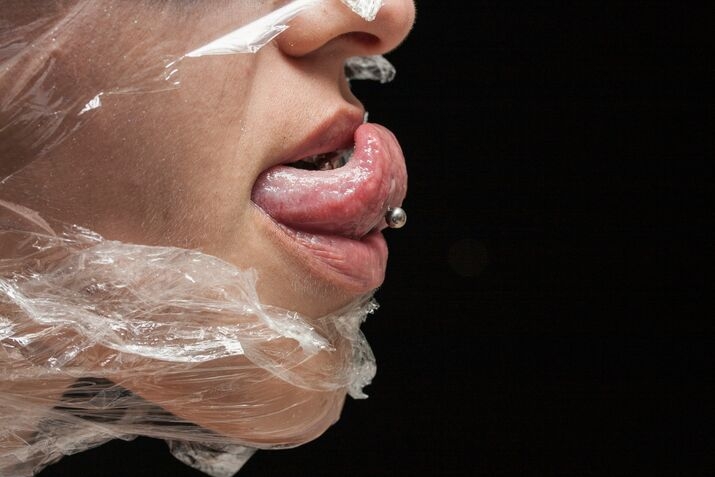
Possible Side Effects of Tongue Piercing: What You Need to Know.
People get tongue piercings for various reasons, often tied to personal expression, aesthetics, or cultural significance. Here are the primary motivations:
- Self-Expression: Many individuals view tongue piercings as a form of body art that allows them to showcase their individuality or unique personality.
- Aesthetics and Fashion: Tongue piercings are considered trendy and attractive by some, adding a bold and edgy look that complements their style.
- Symbolism and Cultural Significance: In certain cultures, tongue piercings hold symbolic or spiritual meanings, such as a rite of passage or connection to specific traditions.
- Sensory Stimulation: Some individuals appreciate the tactile sensation or novelty of having a tongue piercing, which can also enhance certain sensory experiences.
- Social Identity: For some, piercings serve as a way to align with a particular subculture or group, such as the punk, goth, or alternative communities.
- Rebellion or Statement: Tongue piercings can be a way to break away from societal norms or make a statement about individuality and freedom of choice.
The decision to get a tongue piercing is deeply personal and often combines aesthetic desires with emotional or symbolic significance. However, it’s important to weigh the risks and benefits carefully before proceeding.
Tongue piercing is a popular form of body modification, but it carries risks that should be carefully considered. Here are the potential side effects and complications:
1. Initial Discomfort and Healing Issues
- Pain and Swelling: After the procedure, it’s normal to experience pain and swelling for one to two weeks. This may affect speech and eating temporarily. Healing times vary, with single piercings taking 1–3 months and paired ones up to 5 months. The tongue's vascular nature facilitates quicker healing compared to other body parts Mayo Clinic
Allure
. - Risk of Infection: The mouth is home to numerous bacteria, making infections a common concern. Poor hygiene or improper aftercare can increase this risk. Symptoms like persistent redness, pus, or severe swelling should prompt immediate medical attention Mayo Clinic
Allure
2. Long-term Risks
- Dental Damage: Jewelry in the tongue can chip or crack teeth, damage dental fillings, or cause gum recession over time. This occurs due to constant contact between the jewelry and teeth or gums Mayo Clinic
- Speech and Eating Challenges: Some individuals experience a lasting lisp or difficulty in eating due to the piercing placement or size of the jewelry Allure
3. Severe Complications
- Allergic Reactions: Some people may develop an allergy to the materials in the jewelry, especially nickel.
- Nerve Damage or Blood Vessel Issues: Improper placement can result in nerve damage, leading to persistent numbness, or hitting major blood vessels, causing excessive bleeding Mayo Clinic
Allure - Aspiration Risks: Loose jewelry can accidentally be swallowed or aspirated, posing a choking hazard.
4. Maintenance and Lifestyle Adjustments
Proper aftercare is critical to minimize complications. It involves:
- Using alcohol-free mouthwash and sterile saline to keep the area clean.
- Avoiding spicy, acidic, or crunchy foods during the initial healing phase to reduce irritation Mayo Clinic
Allure
Should You Proceed?
While tongue piercings can be a form of self-expression, understanding and mitigating the risks is essential. Consulting a professional piercer with experience and adhering strictly to aftercare protocols can significantly lower the chances of complications.
For more detailed guidance, you can explore resources like
ps://
ongue-piercings-pain-aftercare-risks) and WebMD’s insights.
https://www.babacares.com.131-153-147-50.cpanel.site/blog-details?details=252&title=Possible+Side+Effects+of+Tongue+Piercing%3A+What+You+Need+to+Know











Comments