

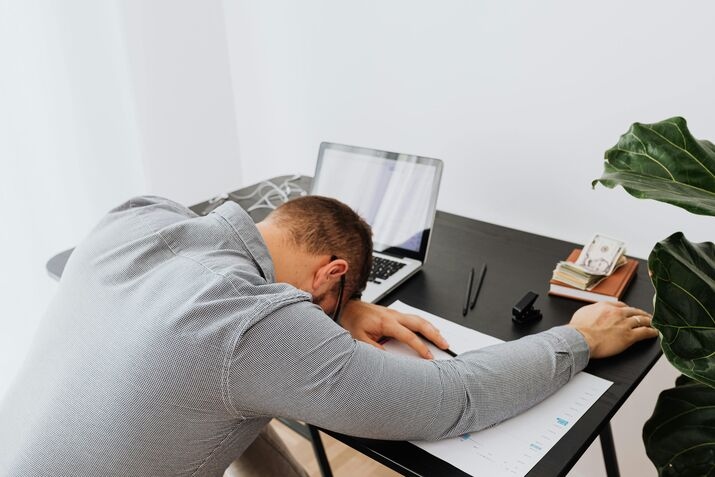
The Dangerous Effects of Sitting for Too Long and How to Prevent It.
In today’s modern world, many of us spend hours sitting, whether it's at work, at home, or during commutes. While sitting might seem harmless, prolonged periods of inactivity can pose serious physical, mental, and emotional health risks. Here’s a look at the effects of sitting for too long and ways to prevent these negative outcomes.
Physical Health Risks of Sitting for Too Long
Prolonged sitting can take a toll on your body in various ways. Below are some of the most significant physical health concerns:
- Obesity and Weight Gain: Sitting for long periods reduces calorie expenditure, which contributes to weight gain and obesity over time.
- Diabetes: Lack of movement can lead to insulin resistance, which is a precursor to type 2 diabetes.
- Cardiovascular Disease: Prolonged sitting increases the risk of heart disease by negatively affecting circulation and fat metabolism.
- High Blood Pressure: Sitting too much can lead to elevated blood pressure, which increases the risk of heart disease and stroke.
- Stroke: Sitting for long periods has been linked to a higher risk of stroke due to reduced circulation and increased clotting risks.
- Musculoskeletal Disorders: Sitting for hours can cause pain in the back, neck, and shoulders, leading to musculoskeletal issues.
- Varicose Veins: Prolonged sitting may contribute to the formation of varicose veins due to poor circulation.
- Osteoporosis: Lack of physical activity weakens bones, increasing the risk of osteoporosis.
- Reduced Immune Function: Sitting for extended periods can impair immune function, making the body more susceptible to illness.
- 10.Increased Risk of Certain Cancers: Studies have shown a link between prolonged sitting and a higher risk of colon, breast, and uterine cancers.
Mental Health Risks of Sitting for Too Long
Sitting for too long doesn’t only affect the body; it also has a profound impact on mental health:
- Depression: Sitting for long stretches has been linked to higher rates of depression and a general lack of motivation.
- Anxiety: Prolonged sitting can contribute to feelings of restlessness and anxiety.
- Stress: Being sedentary for too long can contribute to physical and emotional stress, making it harder to relax.
- Fatigue: Sitting too much can lead to feelings of exhaustion, even if you haven’t physically exerted yourself.
- Decreased Productivity: Mental clarity and focus can decrease as a result of sitting for too long, impacting your ability to work or concentrate.
- Reduced Cognitive Function: Prolonged sitting can negatively affect cognitive performance, including memory and learning.
- Memory Loss: Lack of physical movement has been associated with a decline in short-term memory.
- Mood Swings: Sitting too long can contribute to fluctuations in mood, such as irritability or frustration.
- Irritability: Being sedentary for extended periods can affect your patience and lead to mood swings.
Other Risks of Sitting for Too Long
Prolonged sitting also contributes to several additional health concerns:
- Reduced Blood Flow and Circulation: When you sit for long periods, blood circulation decreases, which can lead to a variety of health issues.
- Increased Blood Clotting Risk: The lack of movement increases the risk of blood clots, which can be dangerous.
- Weakened Muscles: Prolonged sitting weakens muscles, especially in the lower body, leading to imbalances and joint pain.
- Poor Posture: Sitting for long periods, especially with poor ergonomics, can lead to poor posture and spinal alignment issues.
- Decreased Bone Density: Lack of movement can decrease bone density, making bones more brittle over time.
- Increased Risk of Deep Vein Thrombosis (DVT): Prolonged sitting increases the risk of DVT, a condition where blood clots form in the veins.
- Decreased Insulin Sensitivity: Prolonged sedentary behavior reduces insulin sensitivity, leading to a higher risk of type 2 diabetes.
- Increased Inflammation: Chronic inflammation can be exacerbated by prolonged sitting, contributing to various diseases.
Symptoms Indicating You’ve Been Sitting for Too Long
If you experience any of the following symptoms, it’s a sign you’ve been sitting for too long:
- Back and neck pain
- Headaches
- Fatigue or tiredness
- Difficulty concentrating
- Mood swings
- Digestive issues
- Sleep disturbances
- Muscle cramps or stiffness
- Joint pain
- 10.Decreased mobility or flexibility
Prevention and Remedies: How to Counter the Negative Effects of Sitting
To counteract the harmful effects of prolonged sitting, try these simple prevention and remedy strategies:
- Take Regular Breaks: Stand up and stretch every 30-60 minutes to get your blood flowing.
- Engage in Physical Activity: Go for a walk, stretch, or exercise throughout the day to keep your body active.
- Practice Good Posture: Maintain proper posture while sitting to reduce strain on your spine and muscles.
- Use Ergonomic Furniture: Invest in ergonomic chairs and desks that support proper posture.
- Try Standing Desks: Consider using a sit-stand workstation to alternate between sitting and standing.
- Limit Screen Time: Take breaks from screens to rest your eyes and move your body.
- Prioritize Sleep: Ensure you get 7-9 hours of sleep each night to support overall health.
- Stay Hydrated: Drink plenty of water to help with circulation and overall well-being.
- Eat a Balanced Diet: Proper nutrition helps combat the effects of sitting and supports your body's systems.
- 10.Manage Stress: Incorporate stress-management techniques such as yoga, meditation, or deep breathing exercises into your routine.
Conclusion
While modern life often requires us to sit for extended periods, it’s important to recognize the risks associated with prolonged sitting. By understanding the negative effects on your physical and mental health, you can take steps to mitigate these risks. Remember to take regular breaks, stay active, and practice good posture to ensure a healthier lifestyle.
Sources:
https://www.babacares.com.131-153-147-50.cpanel.site/blog-details?details=250&title=The+Dangerous+Effects+of+Sitting+for+Too+Long+and+How+to+Prevent+It.%C2%A0









Comments