

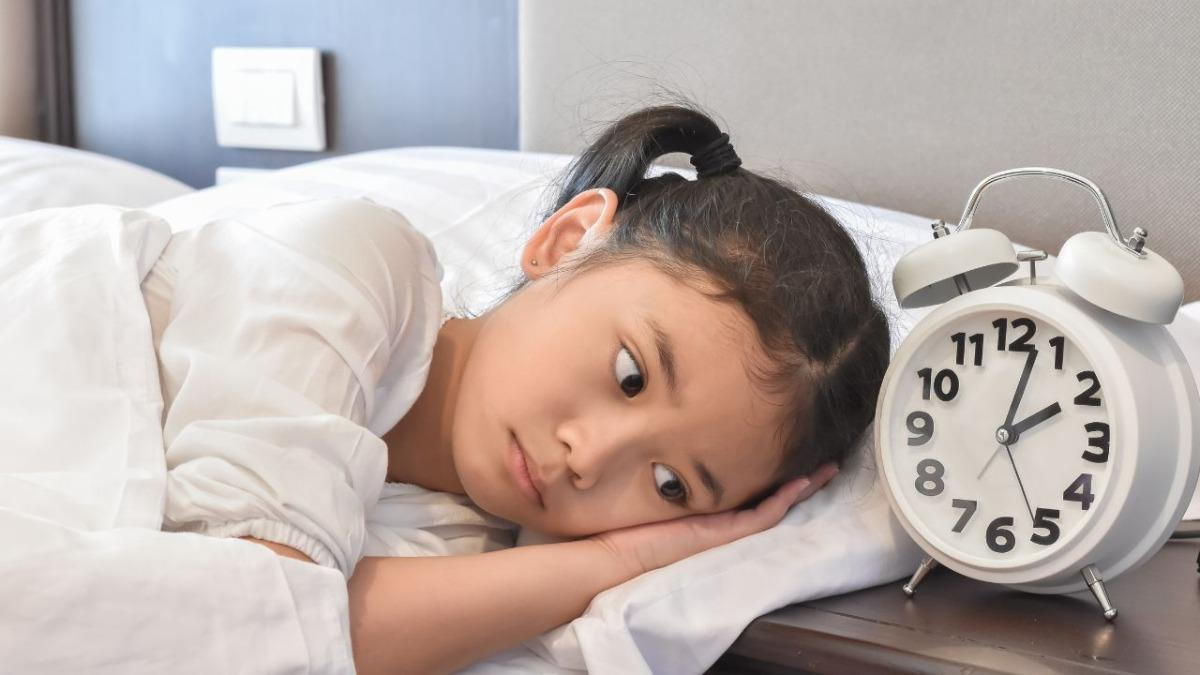
Sleep is crucial for a child’s growth and development. Adequate sleep supports cognitive function, emotional regulation, and physical health. However, sleep disorders in children are becoming more common, impacting their daily functioning and well-being. Recognizing the signs of sleep disorders early can lead to better management and improved quality of life for both children and their families.
Common Sleep Disorders in Children
- Insomnia
Insomnia in children is characterized by difficulty falling asleep or staying asleep, often causing irritability and daytime fatigue. It may be caused by stress, anxiety, or inconsistent sleep routines. In younger children, environmental factors like noise or light may contribute to sleep disturbances. - Sleep Apnea
Obstructive sleep apnea (OSA) is a serious condition where the child’s breathing is repeatedly interrupted during sleep. Symptoms may include loud snoring, gasping for air, and restless sleep. Children with sleep apnea often experience daytime sleepiness, irritability, and trouble concentrating. Enlarged tonsils and adenoids are common causes of OSA in children. - Night Terrors and Sleepwalking
Night terrors occur when a child wakes up abruptly from deep sleep, appearing frightened and confused. Sleepwalking is another common sleep disorder in children, where the child walks around while still asleep. These events typically happen during non-REM sleep and may resolve as the child matures. - Restless Legs Syndrome (RLS)
RLS causes an uncontrollable urge to move the legs, usually accompanied by uncomfortable sensations. This disorder often disrupts sleep and can make it difficult for children to fall asleep or stay asleep. It is commonly linked to a deficiency in iron levels or an abnormality in dopamine production. - Delayed Sleep Phase Disorder (DSPD)
DSPD involves a delay in the child’s sleep-wake cycle, making it difficult for them to fall asleep at a typical time. Children with DSPD often experience trouble waking up in the morning and may have difficulty attending school or other activities on time.
Recognizing Sleep Disorders in Children
Identifying sleep disorders in children requires attentiveness to changes in behavior and sleep patterns. Parents and caregivers should be alert to signs such as:
- Difficulty falling asleep or staying asleep
- Excessive daytime sleepiness or irritability
- Loud snoring or difficulty breathing during sleep
- Frequent nightmares, night terrors, or sleepwalking
- Frequent waking during the night
Children may also express feelings of anxiety or fear surrounding bedtime, which may indicate an underlying sleep disorder. Behavioral changes, such as poor concentration in school or mood swings, may also be linked to insufficient or disrupted sleep.
Addressing Sleep Disorders: Strategies for Parents
- Establish a Consistent Sleep Routine
Consistency is key when addressing sleep disorders. Set regular bedtimes and wake times, even on weekends, to regulate the child’s internal clock. Establish calming pre-sleep activities, such as reading a book or taking a warm bath, to signal to the child that it’s time to wind down. - Create a Sleep-Conducive Environment
Ensure that the child’s sleep environment is quiet, cool, and dark. Minimize distractions by turning off electronic devices and reducing noise levels in the bedroom. A comfortable mattress and pillow can make a significant difference in sleep quality. - Limit Caffeine and Sugary Foods
Caffeine and sugar can disrupt sleep patterns, particularly if consumed close to bedtime. Encourage a healthy diet and avoid caffeinated beverages or sugary snacks in the evening. - Behavioral Therapy for Sleep Disorders
Cognitive Behavioral Therapy for Insomnia (CBT-I) is a non-medical intervention that can be effective in addressing sleep disorders in children. It involves identifying and changing negative thought patterns about sleep and implementing relaxation techniques. - Medical Evaluation and Treatment
If sleep disturbances persist, it’s important to consult a pediatrician or sleep specialist. Conditions like sleep apnea may require medical treatment such as CPAP (Continuous Positive Airway Pressure) therapy. For children with RLS, iron supplements or medication may be recommended.
When to Seek Professional Help
While occasional sleep disruptions are normal in children, persistent or severe sleep problems should be evaluated by a healthcare provider. Professional help may be necessary if:
- The child consistently struggles with falling asleep or staying asleep.
- Daytime functioning is impaired due to sleep problems.
- Symptoms of sleep apnea, such as loud snoring or gasping, are present.
- The child experiences sleepwalking, night terrors, or significant anxiety around sleep.
Conclusion
Sleep disorders in children are more prevalent than many realize, and they can have a significant impact on a child’s physical health, behavior, and emotional well-being. Early detection, combined with appropriate lifestyle changes, behavioral therapy, and medical interventions when necessary, can help manage these disorders and ensure children get the rest they need. By recognizing the signs of sleep disorders and addressing them promptly, parents can support their child’s overall health and development.
References
- American Academy of Pediatrics. (2020). Sleep in Children and Adolescents.
- National Sleep Foundation. (2021). Sleep Disorders in Children.
- Mayo Clinic. (2022). Pediatric Sleep Disorders.
https://www.babacares.com.131-153-147-50.cpanel.site/blog-details?details=247&title=Sleep+Disorders+in+Children%3A+Recognizing+and+Addressing+Them.









Comments