

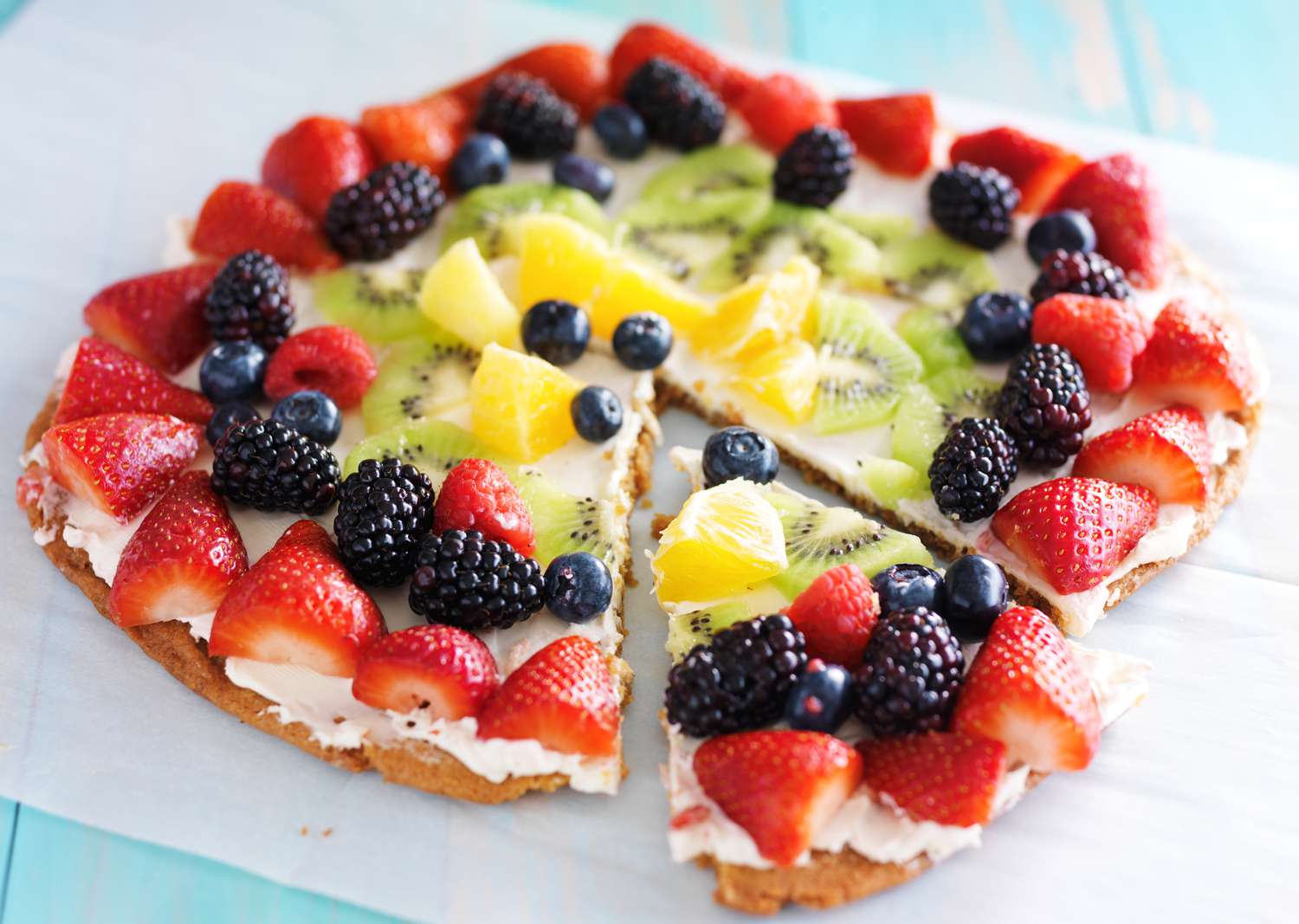
Snacking is a natural part of a child's day, providing an opportunity to boost energy and nutrients between meals. However, not all snacks are created equal. Healthy snacks play a crucial role in children's growth and development, supporting their energy levels, improving concentration, and contributing to overall well-being. But with so many processed, sugary snacks available, it can be challenging for parents to know which options are best. In this article, we’ll explore creative and nutritious snack ideas that kids will love, while ensuring they’re packed with the vitamins and minerals necessary for healthy development.
Why Healthy Snacking Matters
Healthy snacks help bridge the nutritional gap between meals and support a child's energy needs throughout the day. According to the American Academy of Pediatrics (AAP), snacks should account for about 15-30% of a child’s daily caloric intake, depending on age, activity level, and individual needs (AAP, 2021). Choosing nutrient-dense snacks, such as those rich in fiber, protein, healthy fats, and essential vitamins, helps children stay fuller for longer and prevents sugar crashes.
- Reference: American Academy of Pediatrics. Healthy Snacks for Kids. AAP
Creative and Nutritious Snack Ideas
Here are some delicious and wholesome snack ideas that combine nutrition with fun, making snack time enjoyable for both kids and parents.
1. Fruit Kabobs with Greek Yogurt Dip
Kids love finger food, and fruit kabobs make healthy snacking both fun and colorful. You can skewer bite-sized pieces of fruit like strawberries, grapes, apple slices, and bananas. Pair them with a side of Greek yogurt dip mixed with a little honey or cinnamon for added flavor and protein.
- Benefits: Fruits provide essential vitamins, fiber, and antioxidants, while Greek yogurt is a great source of protein and calcium.
2. Veggie Sticks with Hummus
Cut up a variety of colorful vegetables, such as carrots, cucumber, bell peppers, and celery, and serve them with a tasty hummus dip. This snack is a great way to introduce children to healthy, crunchy vegetables.
- Benefits: Vegetables are high in vitamins and minerals, while hummus provides plant-based protein and fiber.
3. Homemade Trail Mix
Create a custom trail mix with a combination of whole-grain cereals, nuts, seeds, and dried fruit. You can add in some dark chocolate chips or coconut flakes for a touch of sweetness.
- Benefits: This snack offers a balance of healthy fats, fiber, and protein. Make sure to choose nuts that are unsweetened and unsalted for the healthiest version.
4. Apple Slices with Peanut Butter
Slice an apple and pair it with a small serving of natural peanut butter (or almond butter) for a satisfying snack. This combination offers a great mix of fiber, healthy fats, and protein.
- Benefits: Apples are rich in fiber and antioxidants, while peanut butter provides protein and healthy fats that help stabilize blood sugar levels.
5. Mini Whole-Grain Pita Pockets with Avocado and Turkey
For a more filling snack, fill mini whole-grain pita pockets with mashed avocado and lean turkey slices. You can also add some fresh veggies like lettuce, tomato, or cucumber for added nutrients.
- Benefits: Whole grains provide fiber, while turkey adds lean protein. Avocados are packed with healthy fats and heart-healthy monounsaturated fats.
6. Smoothie Popsicles
Blend up a nutrient-packed smoothie with fruits, vegetables, yogurt, and a little bit of honey or agave syrup. Pour the mixture into popsicle molds and freeze them for a refreshing, nutrient-rich snack.
- Benefits: Smoothies can be loaded with vitamins, minerals, and antioxidants from fruits and veggies, while yogurt adds probiotics for gut health.
7. Whole-Grain Crackers with Cheese
Pair whole-grain crackers with slices of cheese for a satisfying and balanced snack. You can also add some fresh fruit or veggies on the side for extra nutrition.
- Benefits: Whole grains provide fiber, while cheese offers calcium and protein. This snack is a great way to boost bone health.
8. Chia Seed Pudding
Make a simple chia seed pudding by mixing chia seeds with milk (dairy or plant-based), a little sweetener, and vanilla extract. Let it sit overnight in the fridge to thicken. Top with fresh berries or sliced almonds before serving.
- Benefits: Chia seeds are a great source of omega-3 fatty acids, fiber, and protein, promoting heart and brain health.
9. Veggie and Cheese Muffins
Bake a batch of healthy veggie muffins using whole wheat flour, grated vegetables like zucchini or carrots, and a small amount of cheese. These muffins are a great way to sneak in extra vegetables.
- Benefits: These muffins are a good source of fiber, vitamins, and minerals from the vegetables and whole grains.
How to Make Healthy Snacking Fun
Children may be more likely to enjoy healthy snacks if they are presented in an exciting way. Here are some tips to make snacking fun:
- Shape it: Use cookie cutters to shape sandwiches, fruits, and veggies into fun shapes, such as stars, animals, or hearts.
- Engage them: Let kids be involved in preparing snacks, whether it’s assembling a fruit kabob or mixing up a smoothie.
- Create snack stations: Set up a "build-your-own snack" station where children can pick from a selection of healthy ingredients to make their snack.
Avoiding Common Pitfalls
While snacking can be a healthy habit, it’s important to avoid common pitfalls that can undermine the benefits of snacking:
- Limit sugary snacks: Snacks high in sugar may lead to energy crashes and can contribute to unhealthy weight gain and tooth decay.
- Watch portion sizes: Even healthy snacks can be problematic if portion sizes are too large. Stick to appropriate portions to prevent overeating.
- Avoid processed foods: Opt for whole foods over heavily processed snacks, which are often high in sodium, artificial ingredients, and unhealthy fats.
Conclusion
Healthy snacking is an essential part of maintaining a balanced diet for children. By offering creative and nutritious snack options, you can ensure that your child is getting the vitamins, minerals, and energy they need throughout the day. With a little creativity and preparation, healthy snacks can be both enjoyable and beneficial for growing bodies.
References:
- American Academy of Pediatrics (AAP). (2021). Healthy Snacks for Kids. AAP
- Academy of Nutrition and Dietetics. (2020). Healthy Snacks for Kids. Eat Right
https://www.babacares.com.131-153-147-50.cpanel.site/blog-details?details=245&title=Healthy+Snacking+for+Kids%3A+Creative+and+Nutritious+Ideas.








Comments