

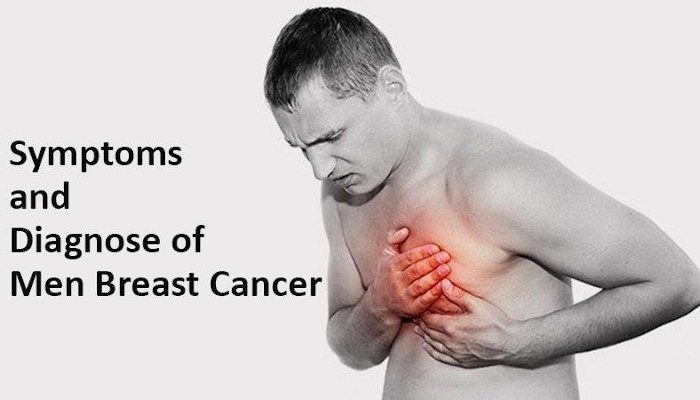
Understanding Breast Cancer in Men: Symptoms, Risk Factors, and Treatment Options.
While breast cancer is often considered a women’s disease, men can also develop it, although it accounts for only about 1% of all breast cancer cases. Breast cancer in men, known as male breast cancer, occurs when cancer cells form in the breast tissue. It is a relatively rare condition, but it is just as serious and life-threatening as breast cancer in women. Understanding the symptoms, risk factors, and treatment options can help in early detection and improve outcomes for men diagnosed with this condition.
Risk Factors for Breast Cancer in Men
Several factors can increase a man’s risk of developing breast cancer. Some are genetic, while others are related to lifestyle and medical conditions.
- Age: The risk of developing breast cancer increases as men get older, particularly after the age of 60.
- Family History: Men with a family history of breast cancer, particularly in close female relatives, are at higher risk. In some cases, inherited gene mutations such as BRCA1 and BRCA2 may increase the risk for both men and women.
- Radiation Exposure: Men who have had radiation therapy to the chest area, such as for the treatment of other cancers, may be at increased risk of developing breast cancer.
- Hormonal Imbalance: Men with higher estrogen levels, particularly those undergoing hormone replacement therapy, are at greater risk.
- Obesity: Excess body fat can increase estrogen levels, which may promote the development of breast cancer in men.
- Liver Disease (Cirrhosis): Liver conditions like cirrhosis can cause hormonal imbalances that may increase the risk of breast cancer.
- Testicular Conditions: Conditions such as orchitis (inflammation of the testicles) and epididymitis (inflammation of the epididymis) may increase a man’s risk of breast cancer.
- Klinefelter Syndrome: A genetic condition in which men are born with an extra X chromosome, leading to higher levels of estrogen and a higher likelihood of developing breast cancer.
Symptoms of Breast Cancer in Men
The symptoms of breast cancer in men are similar to those in women, although the condition is much rarer. Recognizing these symptoms early is crucial for early diagnosis and effective treatment. Common symptoms of male breast cancer include:
- Lump or Thickening in the Breast: This is the most common symptom and may be painless or tender to the touch.
- Change in Breast Size or Shape: A noticeable difference in the size or shape of the breast can be an indication of cancerous changes.
- Dimpling or Puckering of the Skin: This can occur due to the tumor pulling on the skin, causing it to wrinkle or appear dimpled.
- Redness or Scaling of the Skin: Skin changes, such as redness or a flaky texture, may occur over the breast tissue.
- Nipple Discharge or Inversion: Men with breast cancer may notice fluid discharge from the nipple, or the nipple may become inverted.
- Pain or Tenderness: Although not always present, some men may experience pain or tenderness in the breast tissue.
Diagnosis and Treatment Options for Male Breast Cancer
If a man notices any of the symptoms mentioned above, it is essential to seek medical attention promptly. Diagnosis typically involves:
- Physical Exam: A doctor will perform a thorough examination of the breasts and surrounding areas to detect lumps or abnormalities.
- Imaging Tests: Mammograms, ultrasound, and MRI scans can help visualize the breast tissue and identify potential tumors.
- Biopsy: A biopsy involves removing a small sample of the breast tissue to test for cancer cells.
Treatment for male breast cancer is similar to that for women and may include:
- Surgery: The primary treatment for male breast cancer is surgery to remove the tumor or the entire breast (mastectomy).
- Radiation Therapy: Radiation may be used after surgery to eliminate any remaining cancer cells.
- Chemotherapy: Chemotherapy drugs are used to kill cancer cells and prevent them from spreading to other parts of the body.
- Hormone Therapy: If the cancer is hormone receptor-positive, hormone therapy may be used to block estrogen and prevent the cancer from growing.
- Targeted Therapy: This involves drugs that target specific molecules involved in the growth of cancer cells.
Prognosis and Outlook for Men with Breast Cancer
The prognosis for men with breast cancer depends on several factors, including the stage at which the cancer is diagnosed, the type of cancer, and how well the cancer responds to treatment. Early detection significantly improves the chances of successful treatment and long-term survival. Although the survival rates for male breast cancer are generally lower than for female breast cancer, advancements in treatment have led to better outcomes for men diagnosed with the disease.
Conclusion
Breast cancer in men is rare, but it is a serious condition that requires prompt diagnosis and treatment. Understanding the risk factors and symptoms of male breast cancer can help men take proactive steps toward early detection. If you notice any changes in your breast tissue or experience unusual symptoms, it is important to seek medical advice as soon as possible. With proper treatment, men with breast cancer can achieve positive outcomes and lead healthy lives.
References:
- American Cancer Society – Male Breast Cancer
- Mayo Clinic – Symptoms and Risk Factors for Male Breast Cancer
- National Cancer Institute – Male Breast Cancer Overview.
https://www.babacares.com.131-153-147-50.cpanel.site/blog-details?details=239&title=Understanding+Breast+Cancer+in+Men%3A+Symptoms%2C+Risk+Factors%2C+and+Treatment+Options.%C2%A0










Comments