

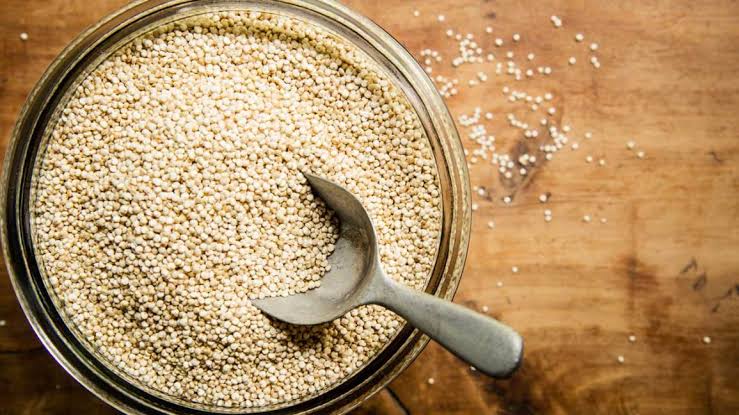
Quinoa, often referred to as a "supergrain," has garnered acclaim for its impressive nutritional profile and versatility in the kitchen. Native to the Andean region of South America, this ancient grain is a complete source of protein, making it an excellent choice for vegetarians, vegans, and anyone looking to diversify their diet. But quinoa’s benefits extend beyond just its protein content—it's also rich in essential vitamins, minerals, and antioxidants that support overall health. Let’s dive into what makes quinoa a staple in health-conscious kitchens and how you can make the most of it in your meals.
Quinoa stands out due to its unique nutritional composition:
• Complete Protein: Unlike many plant-based proteins, quinoa contains all nine essential amino acids, making it a complete protein source that supports muscle repair and growth.
• High Fiber Content: With about 5 grams of fiber per cup of cooked quinoa, it aids in digestion, promotes feelings of fullness, and supports overall gut health.
• Rich in Vitamins and Minerals: Quinoa is an excellent source of magnesium, iron, B vitamins, and manganese, contributing to energy production, red blood cell formation, and overall metabolic health.
• Antioxidants: It contains antioxidants like quercetin and kaempferol that help combat oxidative stress and inflammation in the body.
According to Harvard T.H. Chan School of Public Health, quinoa is celebrated as a superfood due to its complete protein content, providing all nine essential amino acids, along with high levels of fiber, vitamins, and minerals. Its versatility allows it to be used in a variety of dishes, from salads to soups to side dishes, making it a popular choice for those seeking nutritious and satisfying meal options (Harvard T.H. Chan School of Public Health, 2021).
Reference:
Harvard T.H. Chan School of Public Health. (2021). Quinoa. The Nutrition Source.
https://www.babacares.com.131-153-147-50.cpanel.site/blog-details?details=106&title=quinoa%3A+The+Complete+Protein+Powerhouse+for+Healthy+Diet.










Comments