

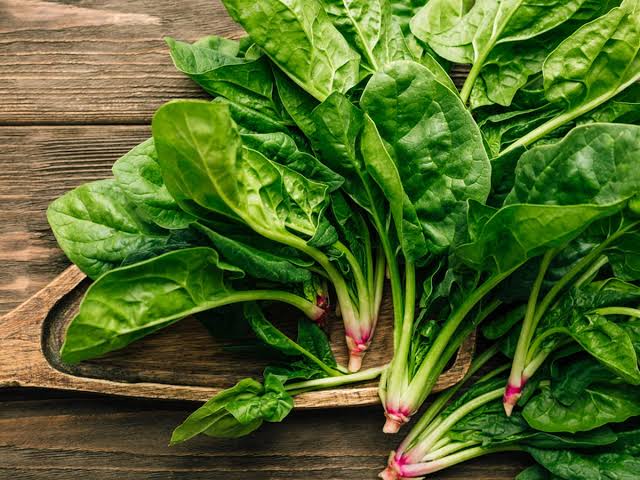
Spinach, known for its vibrant green leaves, is a highly versatile vegetable celebrated for its rich nutrient content and culinary flexibility. Its mild, slightly earthy flavor allows it to blend effortlessly into various dishes, ranging from smoothies and salads to soups, stir-fries, and pastas. Not only does spinach provide a subtle flavor enhancement, but it also adds a nutritious boost to any meal, being packed with vitamins A, C, and K, as well as iron and calcium (Fas Kitchen) (Healthify).
In addition to its culinary applications, spinach is also known for promoting health benefits like supporting skin, bone health, and reducing inflammation. Its adaptability makes it a staple in many kitchens worldwide (Healthify).
Selecting Fresh Spinach:
7. Visual Inspection: When choosing spinach, look for leaves that are vibrant green and free from any yellowing or wilting. Fresh spinach should have a crisp texture and a lively color. Avoid spinach with dark spots, slimy patches, or any signs of decay.
8. Texture Check: Spinach leaves should be firm and not limp or soggy. If the leaves feel soft or limp, it’s a sign that the spinach is past its prime.
9. Smell Test: Fresh spinach should have a clean, slightly earthy aroma. If the spinach has an off or overly strong smell, it might be starting to spoil.
10. Organic vs. Conventional: Opt for organic spinach when possible to minimize exposure to pesticides. Organic spinach tends to have a richer flavor and can be a better choice for those concerned about chemical residues.
Preparing Spinach:
11. Washing: Spinach is often grown with soil and sand clinging to its leaves, so thorough washing is crucial. Rinse the leaves under cold running water to remove any dirt or grit. For a more thorough wash, you can soak the spinach in a bowl of cold water, swishing it around gently, and then rinse it again.
12. Drying: After washing, it’s important to dry spinach thoroughly to prevent excess moisture. Use a salad spinner to remove water or pat the leaves dry with a clean kitchen towel. Excess moisture can lead to quicker spoilage and affect the texture of your dishes.
13. Storage: Store fresh spinach in the crisper drawer of your refrigerator to maintain its freshness. Keep it in a breathable plastic bag or container to allow for airflow and prevent wilting. Spinach is best used within a few days of purchase, but if you have excess, you can freeze it after blanching.
14. Blanching for Freezing: If you have more spinach than you can use fresh, blanching is a great way to preserve it. To blanch spinach, briefly immerse the leaves in boiling water for 1-2 minutes, then transfer them to an ice bath to stop the cooking process. Drain and pat dry before freezing in airtight bags or containers.
15. Cooking: Spinach cooks down significantly, so start with a larger quantity than you might think you need. When cooking spinach, add it to dishes near the end of the cooking process to preserve its texture and nutrients. Whether you’re sautéing, steaming, or adding it to soups, spinach should only be cooked until it is wilted and tender.
Using Spinach in Recipes:
16. Salads: For fresh salads, use raw spinach leaves as a base or add them to mixed greens. Toss with your favorite vegetables, fruits, and proteins for a nutritious meal.
17. Smoothies: Blend fresh spinach into smoothies for a nutrient boost. Spinach pairs well with fruits and other leafy greens, adding essential vitamins and minerals without overpowering the flavor.
18. Soups and Stews: Add spinach to soups and stews during the last few minutes of cooking to enhance flavor and nutrition. Spinach will wilt quickly and integrate into the dish without losing its benefits.
19. Side Dishes: Sauté spinach with garlic and olive oil for a simple and delicious side dish. You can also incorporate it into omelets, frittatas, or as a topping for pizza.
Selecting and preparing spinach properly can make a significant difference in your culinary experience and health benefits. By choosing fresh, vibrant leaves and following the right preparation techniques, you can ensure that spinach retains its flavor and nutritional value. Embrace the versatility of spinach and enjoy its many benefits in your daily meals.
https://www.babacares.com.131-153-147-50.cpanel.site/blog-details?details=104&title=Selecting+and+Preparing+Spinach%3A+Tips+for+Maximum+Freshness+and+Flavor.











Comments